
The New Pickle on the Block
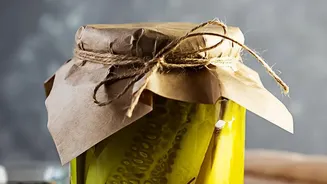
Forget the sharp, vinegar-drenched pickles common in stores or the oil-laden achaars that are a beloved, if heavy, part of Indian cuisine. The new star is the lacto-fermented pickle. This method is as old as civilization itself but is being rediscovered
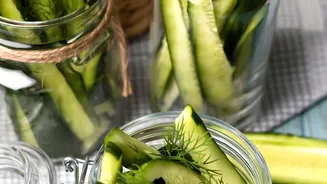
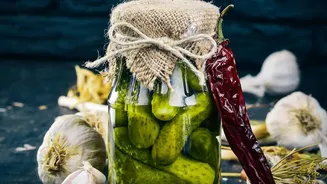
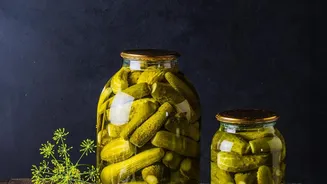
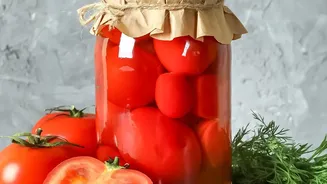
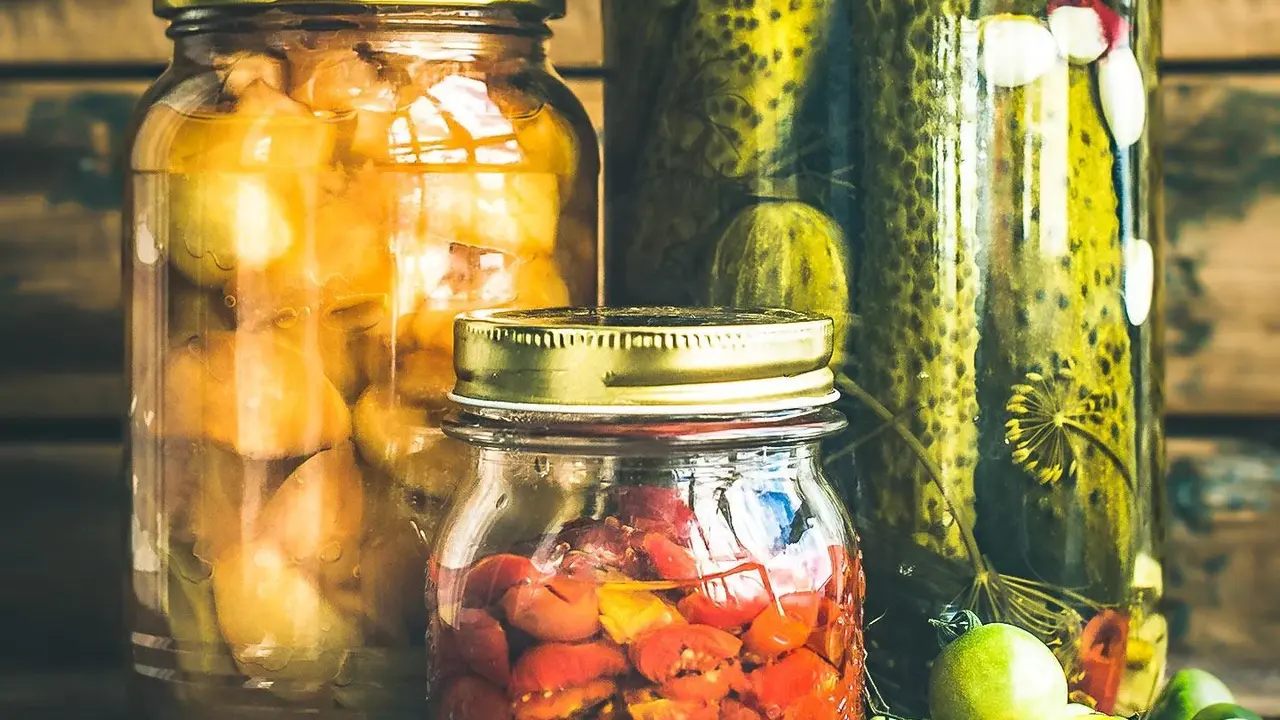
by a new generation. Instead of using vinegar or large amounts of oil as a preservative, it relies on a simple brine of salt and water. This creates an environment where beneficial lactobacillus bacteria, naturally present on vegetables, thrive. These bacteria convert sugars in the vegetables into lactic acid, which not only preserves the food but also gives it a distinctively complex, tangy flavour that is milder and more rounded than vinegar's sharp bite. The result is a crisp, vibrant pickle that is fundamentally different—it's a living food.
A Boost for Your Gut Health
The primary driver behind this trend is the growing obsession with gut health. Unlike vinegar pickles, which are often pasteurised, killing all bacteria, raw fermented pickles are packed with probiotics. These are the ‘good’ bacteria that support a healthy gut microbiome, which is crucial for everything from digestion and immunity to mood. A healthy gut can help fight inflammation, improve nutrient absorption, and even contribute to better mental clarity. With the rise of lifestyle ailments in urban India, many are turning to food as a form of preventative medicine, and these probiotic-rich pickles are an easy and delicious way to support digestive wellness.
The Mindful Art of Fermentation
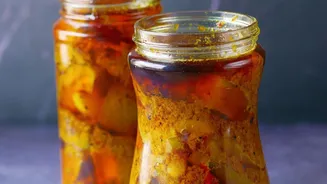
In a world of instant gratification and fast food, the process of fermentation is refreshingly slow. It requires patience and presence, qualities that align perfectly with the principles of mindful living. The act of selecting fresh vegetables, preparing the brine, packing the jar, and watching the bubbles appear over days is a hands-on, sensory experience. For many urban dwellers, it's a way to reconnect with their food, understand where it comes from, and engage in a craft that is both scientific and creative. This slow, deliberate process is the antithesis of a rushed, stressful lifestyle, offering a small, tangible way to practice mindfulness in the kitchen.
Why Oil-Free Is a Game Changer
While traditional Indian pickles are delicious, they are often submerged in large quantities of oil, which acts as a preservative. For the health-conscious, this can be a drawback. The new wave of fermented pickles is almost entirely oil-free, making them lighter and lower in calories. This makes them suitable for a wider range of dietary preferences and allows the pure flavour of the fermented vegetables and spices to shine through. The preservation is handled by the lactic acid, not by a layer of oil, aligning with a modern approach to eating that prioritizes whole foods and avoids excess fats.
An Urban DIY Dream
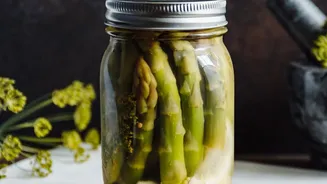
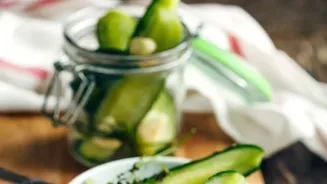
This trend is perfectly suited for urban life. It doesn't require a large garden or extensive equipment. All you need is a glass jar, some salt, water, and fresh vegetables. It's a small-space-friendly hobby that yields a satisfyingly delicious and healthy product. In cities, where access to truly fresh, preservative-free food can be a challenge, making your own pickles provides a sense of control and self-sufficiency. It's a return to traditional preservation methods, updated for the modern kitchen, and it’s part of a larger movement towards consuming foods that are both good for you and good for your gut.