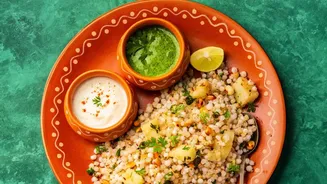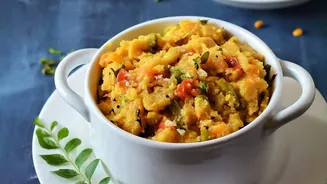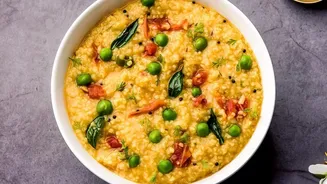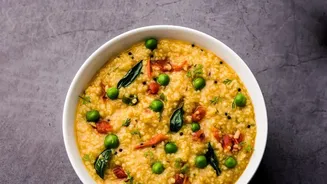



In the world of Indian comfort food, Dalia and Khichdi reign supreme as wholesome, nourishing meals. Both are often recommended for good health, but which one is truly better? It's time to look beyond the labels and break down what's inside.
The Contenders: What Are They?
First, let's
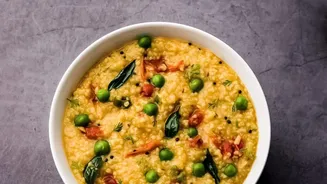
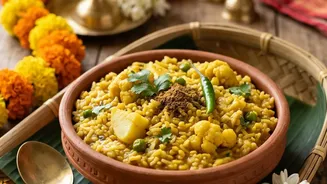
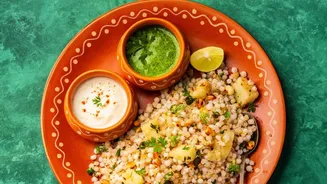
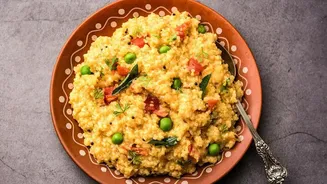
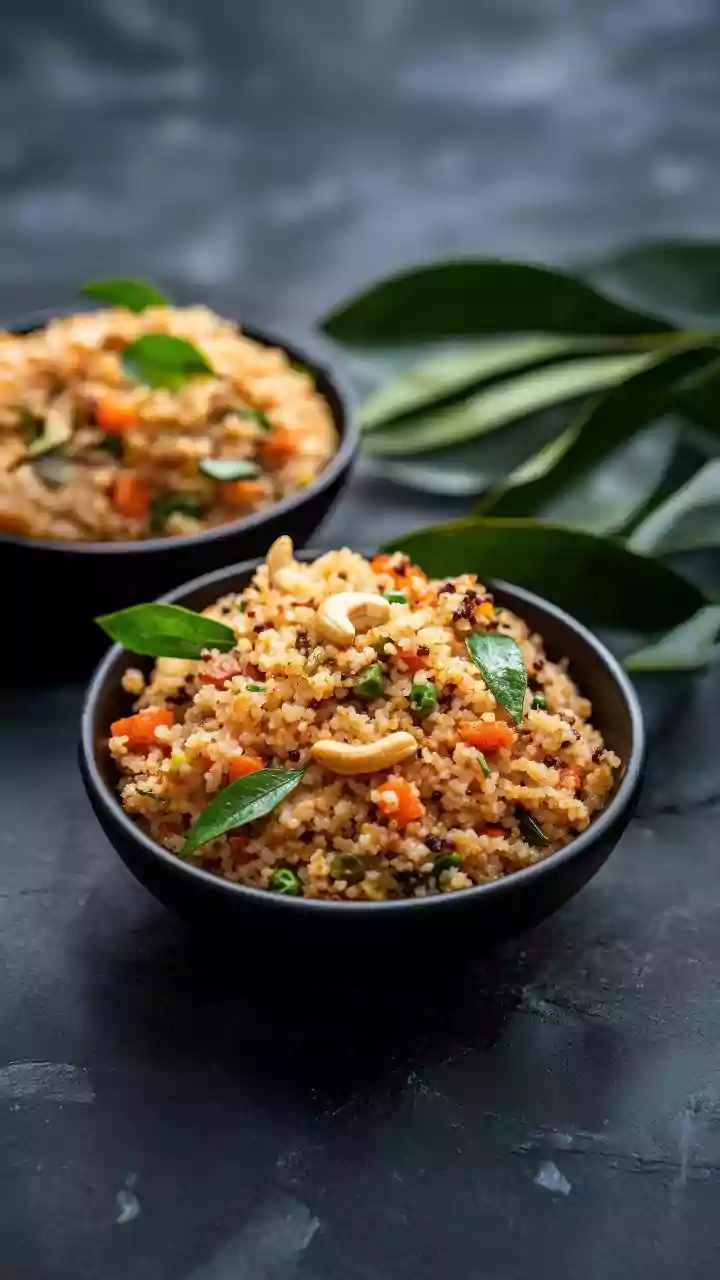
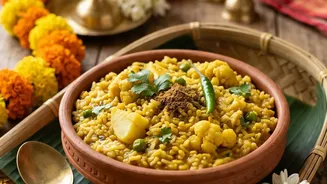
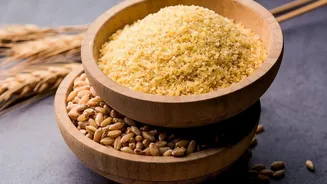
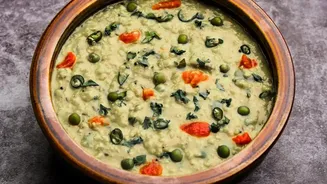
get to know our two contenders. Dalia, also known as broken wheat, is made by crushing whole raw wheat kernels. Because it's a minimally processed whole grain, it retains its nutrient-rich bran and germ. This gives it a wonderfully nutty flavour and a slightly chewy texture. It is incredibly versatile and can be cooked as a savoury porridge with vegetables or a sweet version with milk. Khichdi is a classic one-pot dish celebrated for its simplicity and easy digestibility. Its foundation is a combination of rice and lentils (most commonly moong dal), which are cooked together until soft and creamy. This combination is a nutritional powerhouse, as the pairing of a cereal (rice) with a pulse (dal) creates a complete protein, offering all the essential amino acids your body needs. It is often spiced mildly and enriched with vegetables and a dollop of ghee.
The Nutritional Face-Off: Fibre and Carbs
The most significant difference between the two lies in their fibre content. Dalia is a clear winner here. Uncooked dalia contains a hefty 10 to 12 grams of dietary fibre per 100 grams. This high fibre content helps you feel full for longer, which can prevent overeating and reduce cravings. The carbohydrates in dalia are complex, meaning they are digested slowly and provide a steady release of energy. Khichdi's fibre content depends heavily on its ingredients. A standard version made with white rice will have significantly less fibre. However, the lentils do contribute a decent amount. To boost Khichdi's fibre, you can swap white rice for brown rice or even millets, and be generous with adding vegetables.
Glycemic Index and Blood Sugar Control
For those managing blood sugar levels, the glycemic index (GI) is a crucial factor. Dalia generally has a low GI, typically around 41. This means it causes a slower, more gradual rise in blood sugar levels, making it an excellent choice for individuals with diabetes. The slow energy release also prevents the dreaded post-meal energy crash. Traditional khichdi made with white rice has a moderate glycemic index, ranging from about 50 to 58. While the lentils help to slow down carb absorption, it still raises blood sugar more quickly than dalia. Again, making khichdi with brown rice or dalia itself can lower its GI, making it more suitable for blood sugar management.
Protein and Digestibility
While dalia has a good amount of protein (around 12 grams per 100g raw), khichdi has a special advantage. The combination of rice and dal creates a complete protein, which is particularly beneficial for muscle repair and maintenance. This makes khichdi a fantastic post-workout meal or a key part of a vegetarian diet. In terms of digestion, khichdi is the undisputed champion of comfort. Its soft, mushy texture is incredibly gentle on the stomach, which is why it's the go-to meal during illness or for those with sensitive digestive systems. Dalia, with its high fibre content, is also great for promoting regular bowel movements and preventing constipation, but it may be heavier for some to digest compared to the lightness of khichdi.
The Verdict: How to Choose for Your Goals
So, which bowl should you pick? The truth is, there's no single winner. The 'better' option depends entirely on your personal health goals and how you prepare the dish. Choose Dalia if your primary goals are weight management, better blood sugar control, and increasing your fibre intake. Its ability to keep you feeling full and provide sustained energy makes it a powerful ally. Choose Khichdi if you need an easily digestible meal, are recovering from an illness, or want a complete protein source for muscle recovery. It is the ultimate soothing and healing food. Remember, the additions matter immensely. Loading either dish with vegetables boosts its nutritional value, while the amount of ghee or oil used will affect the final calorie count.