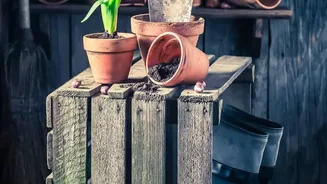







Secure Your Containers Firmly
The single most critical aspect of balcony safety is ensuring your planters, pots, and containers cannot fall. High winds, accidental bumps, or structural failure can turn a beautiful pot into a serious hazard. For railings, use brackets specifically
designed for their shape and size, ensuring a snug fit. Many gardeners use heavy-duty, UV-resistant zip ties as a fail-safe, wrapping them around both the bracket and the railing so the pot remains attached even if a bracket slips. For pots on the floor, place them away from the edge. Using wide, low-profile containers is inherently safer than tall, narrow ones, which can act like sails in the wind and tip over easily. Placing pots on anti-slip mats can also prevent them from sliding on smooth balcony floors.
Be Mindful of Weight Limits
Every balcony has a structural weight limit, and a garden can add a surprising amount of load. Wet soil is significantly heavier than dry soil, and large ceramic or terracotta pots add considerable weight on their own. Before starting an ambitious garden, it's wise to check with your building management about any specific restrictions. To minimize weight, opt for lightweight containers made of plastic, resin, or fabric grow bags. Instead of using heavy gravel for drainage, use a high-quality, lightweight potting mix that is designed for containers and provides good aeration. Distribute heavier pots closer to the walls or corners of the balcony, where structural support is strongest, rather than concentrating them all along the outer edge.
Prepare for Wind and Weather
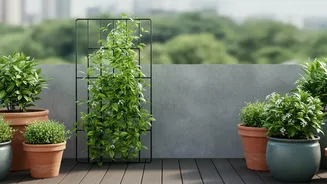
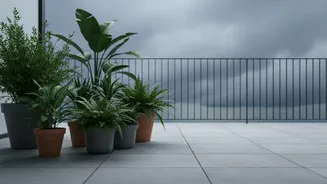
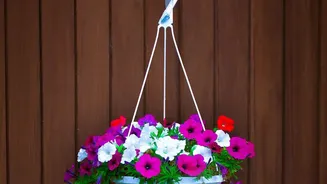
Wind is a major threat to balcony gardens, especially on higher floors or in areas where wind funnels between buildings. Tall plants with large leaves can catch the wind, increasing the risk of them toppling. To mitigate this, choose low-growing, sturdy plants or provide support with a trellis that is securely fastened. Grouping pots together can create a more stable, self-sheltering microclimate. Before a storm or predicted high winds, it's a good practice to move smaller, more vulnerable pots to the floor or indoors. Hanging baskets should have strong hooks and be taken down if they swing dangerously in the wind. Some gardeners even install semi-permeable screens like bamboo or lattice to act as a windbreak, but these must be securely attached according to building rules.
Manage Water Runoff and Debris
Safety and courtesy also involve what comes off your balcony. Water dripping onto a neighbour's space can stain furniture or create a slip hazard. To prevent this, every pot should have a deep saucer underneath it to catch excess water. Avoid overwatering, which is a primary cause of runoff. Self-watering containers or a drip irrigation system can also help control moisture effectively. Regularly sweep up fallen leaves, flowers, and loose soil. This debris can be slippery when wet and can clog drainage systems, both on your balcony and at the ground level. A clean balcony is not just about aesthetics; it’s about preventing minor nuisances from becoming bigger problems for others in your community.