





Why Carbs Got a Bad Rap
In recent years, low-carb and ketogenic diets have gained immense popularity, pushing the idea that cutting out carbohydrates is the key to weight loss and better health. This has led to widespread confusion and fear around an entire food group. The problem
is that these diets often fail to distinguish between different types of carbs. The real issue isn't carbohydrates themselves, but the overconsumption of highly processed, simple carbs like sugary drinks, white bread, and pastries, which offer little nutritional value. These foods cause rapid spikes and crashes in blood sugar, leading to cravings and fatigue. This cycle has unfairly given all carbs, including the healthy ones, a bad reputation.
Your Body's Preferred Fuel Source
Despite the negative press, carbohydrates are the body's primary and preferred source of energy. When you eat carbs, your body breaks them down into glucose, a type of sugar that fuels your cells, tissues, and organs. Your brain, in particular, relies almost exclusively on glucose to function optimally, affecting everything from concentration to mood. Without enough carbohydrates, your body may start breaking down protein from your muscles for energy, which is not an ideal scenario. The Dietary Guidelines recommend that 45% to 65% of your daily calories come from carbohydrates, highlighting their essential role in a healthy diet.
Not All Carbs Are Created Equal
The key to a healthy relationship with carbs is understanding the difference between simple and complex carbohydrates. Simple carbs, found in things like table sugar and refined white flour, are made of one or two sugar molecules. They are digested quickly, causing a rapid spike in blood sugar. Complex carbohydrates, on the other hand, are made of long chains of sugar molecules. Found in foods like whole grains, vegetables, and legumes, they take longer to break down. This slow digestion leads to a more gradual release of glucose into the bloodstream, providing sustained energy and helping you feel full for longer. Foods rich in fibre, a type of complex carb, are particularly beneficial for digestive health and managing cholesterol.
The Art of the Balanced Plate
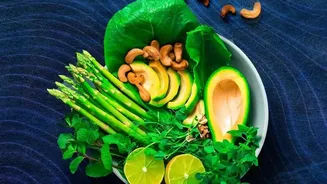
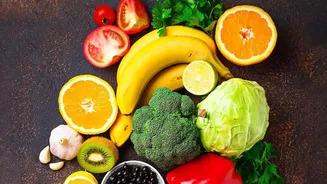
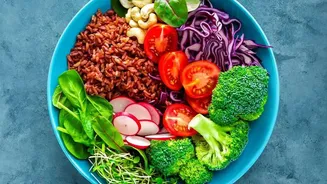
Instead of eliminating carbs, focus on building a balanced plate. A simple and effective guide is the plate method. Imagine your plate divided into sections: fill half of it with non-starchy vegetables like leafy greens, broccoli, and peppers. These are low in carbs but high in vitamins and fibre. Dedicate one quarter of your plate to a lean protein source, such as chicken, fish, dal, or paneer. The final quarter is for your carbohydrate source. This is where you make smart choices. Opt for complex, fibre-rich carbohydrates like brown rice, quinoa, whole-wheat chapati, or sweet potato. This combination of protein, fat, and complex carbs slows down digestion, keeps you full, and helps maintain stable blood sugar levels.
Smart Swaps for an Indian Diet
Incorporating better carbs into a traditional Indian diet is straightforward. Start with simple swaps. Instead of white rice for every meal, try brown rice, millets like jowar or bajra, or quinoa. Choose whole-wheat chapati over those made with refined flour (maida). When snacking, reach for a piece of fruit, a handful of nuts, or roasted chickpeas instead of fried items or biscuits. Pay attention to portion sizes, especially with carb-heavy foods like rice and roti. A helpful guide is to limit rice to about one cupped hand or a small katori per meal, and chapatis to one or two. By focusing on whole, unprocessed foods, you can enjoy the delicious flavours of Indian cuisine while fueling your body effectively.