

Ginger and Garlic: The Immunity Power Duo
These kitchen staples are more than just flavour enhancers; they are potent medicinal herbs perfect for the monsoon. Ginger is renowned for its anti-inflammatory properties, which help combat colds and flu. It aids digestion, a common concern during this
season when our metabolism can become sluggish. Garlic contains allicin, a compound with powerful antibacterial and antiviral properties. Including crushed garlic in your dals and soups can help enhance your white blood cells' ability to fight infections. A warm cup of ginger tea or adding both to your daily cooking is a simple way to harness their benefits.
Turmeric: The Golden Healer
Turmeric, or haldi, is celebrated for its active compound, curcumin, which has strong antioxidant and anti-inflammatory effects. These properties are crucial during the monsoon for fighting off infections and reducing inflammation in the body. Adding a pinch of turmeric to your milk or daily meals not only imparts a beautiful colour but also helps bolster your body's natural defences against the seasonal ailments that thrive in the damp weather. It is a traditional and effective way to support your overall well-being during the rainy months.
Yogurt (Curd): For a Healthy Gut
Gut health is the cornerstone of a strong immune system, with about 70% of our immunity residing there. The monsoon season can be particularly challenging for our digestive system. Yogurt, or curd, is an excellent source of probiotics, the 'good' bacteria that help maintain a healthy balance in your gut. Regular consumption of probiotics can help prevent common digestive issues like bloating and indigestion and reduce the risk of gastrointestinal infections. Including a bowl of curd with your lunch can support digestion and strengthen your immunity from within.
Seasonal Fruits: Nature's Vitamin C Boost
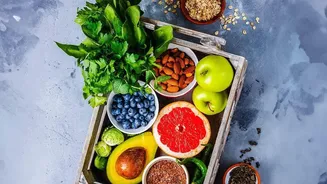
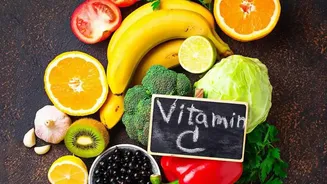
Monsoon brings a bounty of delicious seasonal fruits that are packed with essential nutrients. Jamun (Indian blackberry), pomegranates, pears, and plums are excellent choices. These fruits are rich in Vitamin C and antioxidants, which are vital for a robust immune response against common infections like the cold and flu. Jamun, a seasonal favourite, is also great for digestion. Pomegranate helps reduce inflammation. Always remember to wash fruits thoroughly before eating to avoid contamination, which is a higher risk during this season.
Lentils and Pulses: Light on the Stomach
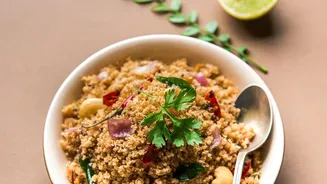
Heavy meals can tax the digestive system, which is often weaker during the monsoon. Lentils and pulses, especially moong dal, are light, easy to digest, and packed with protein. They provide the necessary energy and building blocks for repairing body tissues without making you feel heavy or bloated. A warm bowl of khichdi, made from rice and moong dal, is considered an ideal monsoon comfort food because it is nourishing and gentle on the stomach. Including a variety of dals in your diet ensures a steady supply of essential nutrients.
Colourful Vegetables: A Nutrient Trove
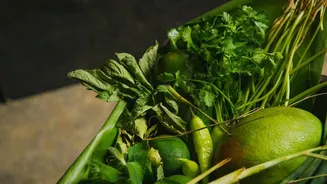
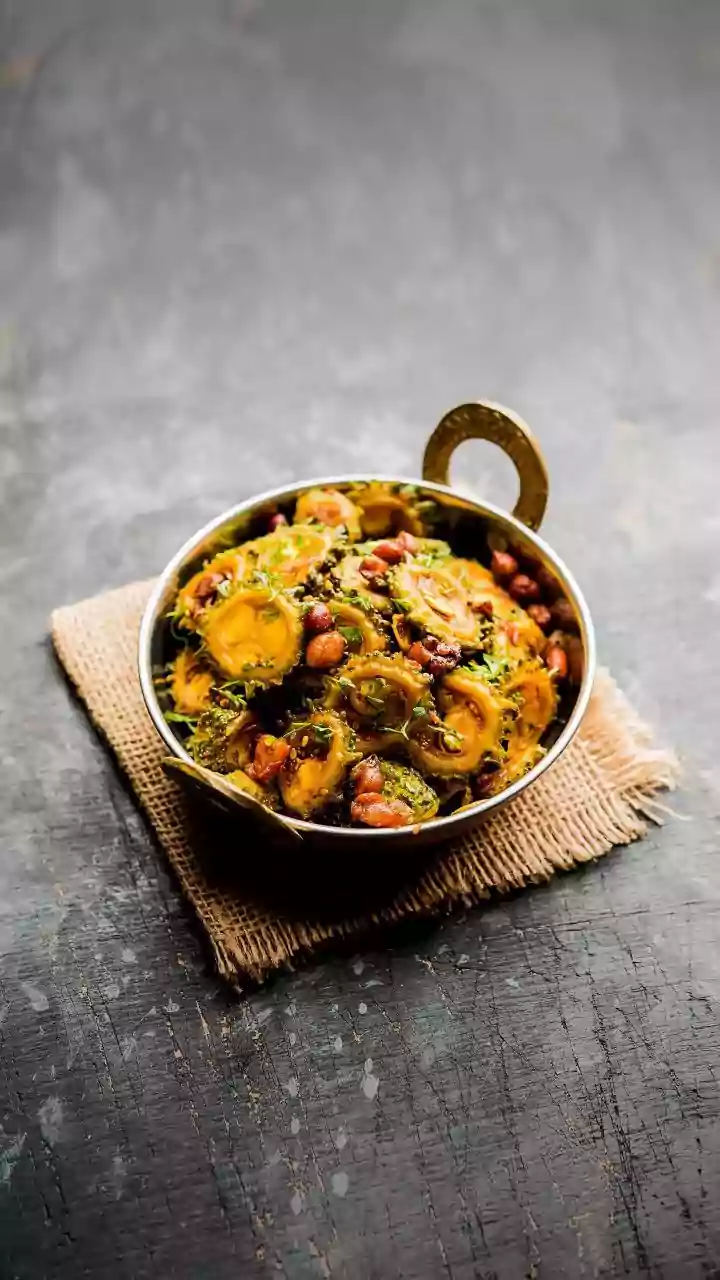
Incorporating a variety of colourful vegetables is a great way to ensure a wide range of vitamins and antioxidants. Gourds like lauki (bottle gourd) and karela (bitter gourd) are traditional monsoon vegetables that are light and easy to digest. Other vegetables like carrots, pumpkins, and beans are rich in vitamins A and C, which strengthen immunity. It is highly recommended to cook your vegetables well during this season, as raw foods can carry a higher risk of microbial contamination. Steaming or adding them to soups are excellent preparation methods.