



Check Weather Relentlessly
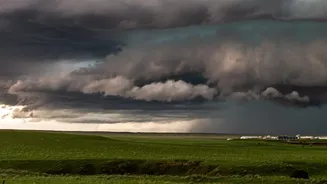
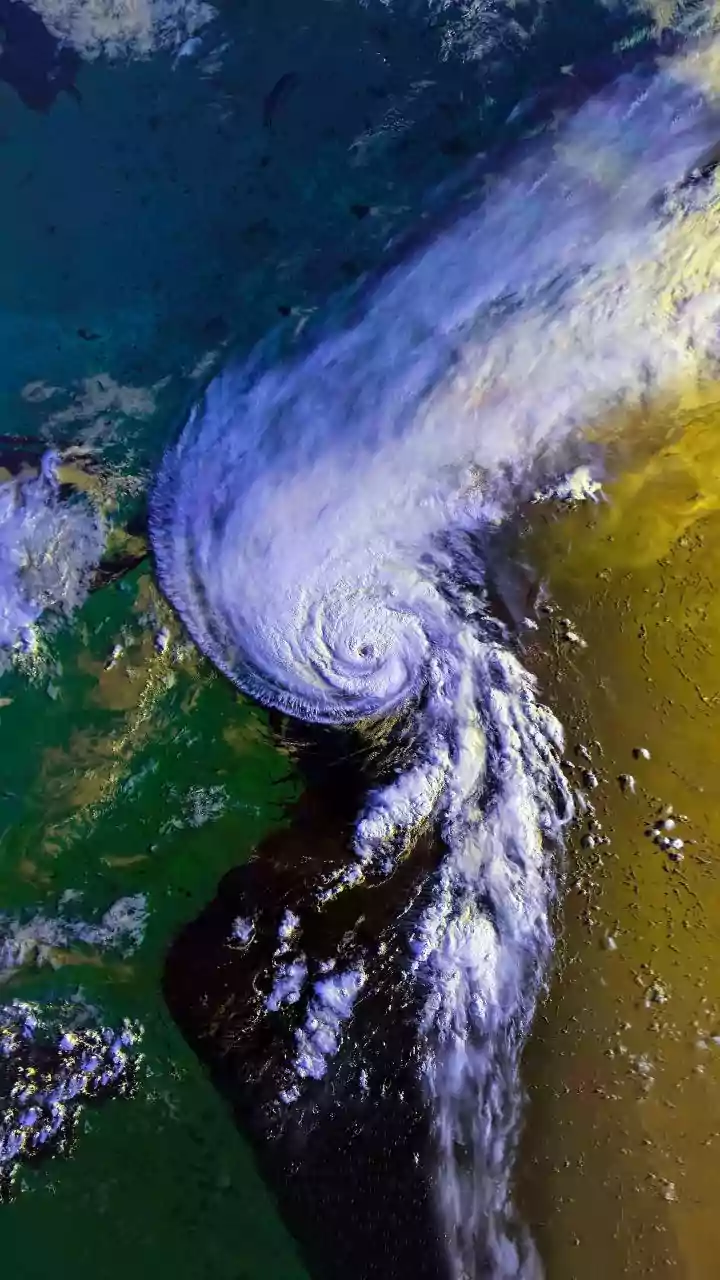
The monsoon's unpredictability is its defining feature. Before you book and before you leave, check weather forecasts from reliable sources like the India Meteorological Department (IMD). Use apps like Mausam to get real-time updates. Heavy rainfall warnings
for your destination, especially in hilly or coastal areas, are a sign to be flexible and perhaps delay your plans. Conditions can change rapidly, turning a clear morning into a waterlogged afternoon. Staying informed is your first line of defence.
Pack Smart, Not Heavy
Your packing strategy needs to be monsoon-specific. Ditch the denim and cotton, which absorb moisture and take ages to dry, leading to odours and discomfort. Instead, opt for lightweight, synthetic, quick-dry clothes like polyester or nylon blends. A sturdy, windproof raincoat or poncho is more practical than an umbrella, which is often useless against strong monsoon winds. Pack waterproof sandals or floaters with a good grip for walking on slippery surfaces. Closed shoes can trap water and cause skin issues. Finally, a microfibre towel is a great addition as it dries incredibly fast.
Waterproof Your Valuables
Assume that water will try to get into everything. Your best defence is a layered one. Start with a waterproof backpack or a regular bag with a reliable rain cover. Inside that, use zip-lock pouches or dedicated dry bags to protect your electronics, wallet, and important documents like your Aadhaar card and travel bookings. A few inexpensive waterproof phone pouches can save you from a very costly replacement. Some travellers even line their bags with a heavy-duty plastic bin liner as an extra precaution.
Navigate Roads with Caution
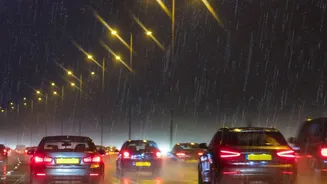
Road travel requires the most caution. Heavy rains can cause landslides in hilly regions like Himachal Pradesh and Uttarakhand, and create deep, hidden potholes in cities. Never attempt to drive through a waterlogged street; the water can conceal open drains or be deep enough to stall your engine. Reduce your speed, maintain a safe distance from other vehicles, and ensure your car's tyres, brakes, and wipers are in excellent condition before you start. For mountain routes, avoid driving at night and consider hiring a local driver who is experienced with the terrain. If visibility drops severely, it's safer to pull over and wait.
Prioritise Health and Hygiene
The monsoon is a peak season for water-borne and mosquito-borne illnesses. Cases of dengue and malaria increase, so carrying a strong insect repellent is non-negotiable. Wear long-sleeved clothing, especially in the evenings, to reduce mosquito bites. Be extremely wary of street food, particularly items that are uncooked or have been sitting out. Stick to bottled or purified water and prefer freshly cooked, hot meals. It’s also wise to carry a basic first-aid kit with antiseptic, bandages, and medication for common ailments like colds and stomach upsets.
Plan a Flexible Itinerary
One of the biggest mistakes travellers make is creating a rigid schedule. Monsoon travel demands flexibility. Build buffer days into your itinerary to account for potential delays from road closures or cancelled transport. A six-hour journey on a map can easily take longer during heavy rain. Don't be afraid to change your plans. If a destination is flagged for extreme weather, consider a safer alternative. For instance, instead of high-risk Himalayan areas, you might explore the gentler monsoon beauty of Mount Abu or the backwaters of Kerala. The goal is to enjoy your trip, not to tick off a list at all costs.
Prepare an Emergency Kit
A small emergency kit can be a lifesaver. Pack a fully charged power bank, as power cuts can be frequent during storms. A torch is also essential, especially if you're staying in a remote area. Keep digital and physical copies of your ID and hotel bookings. Having some extra cash is useful in case ATMs are not working. Also, keep a list of emergency contacts, including local authorities and the National Highway Authority of India (NHAI) helpline (1033). These small preparations can make a huge difference in an unexpected situation.