





The Soul of the Saree: Natural Fibres
Unlike synthetic fabrics, handloom sarees are woven from natural fibres like silk and cotton that are sensitive to their environment. Silk is a natural protein fibre that is strong yet delicate, requiring protection from high heat, harsh detergents, and excessive
moisture. Hand-woven cotton, while durable, is often softer and more absorbent than mill-made cotton, making it prone to damage from aggressive machine washing. These natural fibres breathe and respond to humidity and light, meaning improper care can weaken them over time. The first wash is especially critical for cottons, as it removes starch from the weaving process and the fabric softens, so it must be done gently in cold water.
The Brilliance of Natural Dyes
Many handloom sarees are coloured with natural dyes derived from plants and minerals. While beautiful and eco-friendly, these dyes don't always bind to the fabric as tenaciously as modern synthetic dyes. It's common for them to bleed during the first few washes as excess dye is released. Washing with harsh detergents or in hot water can accelerate this fading. Direct sunlight is another enemy, capable of fading natural colours quickly. For this reason, dry cleaning is often recommended for the first wash to help set the colour, followed by careful, separate hand washing in cold water. Adding a little salt or white vinegar to the first wash can also help the colour lock into the fibres.
The Gleam of Real Zari
The glittering threads in sarees like Banarasis are often real zari, which traditionally involves a fine silver or gold wire wrapped around a silk core. Because it contains metal, zari is susceptible to oxidation and tarnishing, especially in humid conditions. Storing a zari saree in a plastic bag is one of the fastest ways to damage it, as plastic traps moisture and can cause the metallic threads to turn black. Vigorous rubbing, wringing, or machine washing can also cause these delicate metallic threads to fray or break. For sarees with extensive zari work, professional dry cleaning is the safest option.
The First Wash and Gentle Cleaning
The first one or two washes are crucial. For most silk handlooms, dry cleaning is the recommended first step to preserve the texture and set the dyes. For cottons, a gentle hand wash in cold water is best. Never use harsh detergents or bleach, which can destroy natural fibres. Opt for a mild liquid detergent or a baby shampoo. When washing, gently swish the saree in soapy water without vigorous scrubbing or wringing. To dry, never expose it to direct sunlight. Roll it in a towel to absorb excess water, then hang it to dry in the shade.
The Art of Storing and Preserving
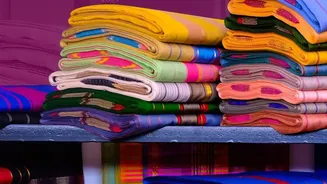
More damage happens during storage than in washing. The golden rule is to never use plastic covers; they trap moisture, which leads to mildew and tarnishing. Instead, wrap each saree individually in a breathable cotton or muslin cloth. Store them flat rather than on hangers, as the weight of heavy sarees can stretch and distort the weave over time. Every few months, take the sarees out, air them in the shade, and refold them along different lines to prevent the fabric from weakening at the creases. To keep pests away, use natural deterrents like dried neem leaves or cloves instead of chemical naphthalene balls, which can discolour the fabric.