





A Surprising Source of Strength
Let's be clear: you won't replace your main protein sources with fruit. The amount of protein in fruits is modest compared to legumes, dairy, or meat. However, for a food group prized for its carbohydrates and micronutrients, finding any protein is a significant
bonus. This protein, combined with fibre, can help you feel fuller for longer, making these fruits excellent for snacking. It contributes to your daily intake, supporting everything from muscle repair to immune function in a small but meaningful way. Think of it as an unexpected top-up to your nutritional goals, delivered in a sweet and refreshing package.
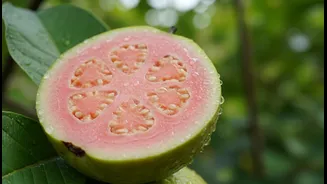
Guava: The Undisputed Champion
Holding the top spot, as our headline suggests, is the humble guava (amrood). This beloved fruit is a nutritional powerhouse. A single cup of guava offers a remarkable 4.2 grams of protein, while a 100-gram serving provides about 2.6 grams. This is significantly higher than most other fruits. But the benefits don't stop there. Guava is famously rich in Vitamin C, containing about four times more than an orange, which is fantastic for boosting immunity. It's also packed with dietary fibre, aiding digestion and helping to manage blood sugar levels. Since the skin and seeds are edible, you can enjoy the entire fruit with zero waste.
Jackfruit: The Versatile Contender
A close runner-up in the tropical fruit category is jackfruit (kathal). It has gained massive popularity as a meat substitute in vegan and vegetarian dishes, and for good reason. With about 2.8 grams of protein per cup, its fibrous texture mimics that of pulled pork or chicken, making it a versatile ingredient for curries, tacos, and sandwiches. While its protein content is lower than actual meat, it is exceptionally high for a fruit. Jackfruit provides a substantial way to add both texture and a protein boost to plant-based meals.
Avocado: The Creamy Powerhouse
Yes, avocado is a fruit! And it's another fantastic source of protein, offering around 3 grams per cup. Unlike most fruits, avocados are also rich in healthy monounsaturated fats, which are excellent for heart health. This combination of protein, fat, and fibre makes avocado incredibly satiating. It's a perfect addition to salads, as a spread on toast, or blended into smoothies for a creamy, nutrient-dense treat that will keep you feeling full and energised for hours.
Berries: Small Fruits, Solid Support
Don't underestimate the power of berries. While not as high as guava, some berries offer a respectable amount of protein. Blackberries, for instance, contain about 2 grams of protein per cup. Raspberries are not far behind, with around 1.5 grams per cup. What makes them special is their combination of protein, high fibre content, and a wealth of antioxidants. They are low in sugar and calories, making them a perfect addition to your morning yoghurt, oatmeal, or simply as a snack on their own.
Kiwi and Apricots: The Honourable Mentions
Other fruits also deserve a place on this list. The tangy kiwi provides around 2 grams of protein per cup, along with a healthy dose of Vitamin C to support your immune system. Apricots offer about 2.2 grams per cup and are also a great source of Vitamin A. An interesting fact is that dried fruits, like raisins and dried apricots, often have a more concentrated protein content by weight, making them a convenient, albeit more sugar-dense, option for a quick energy boost.
Making the Most of Fruit Protein
To truly leverage the protein in these fruits, consider smart pairing. Combining high-protein fruits with other protein-rich foods can create a balanced and satisfying snack or meal. For example, enjoy sliced guava with a bowl of Greek yoghurt, add blackberries and a sprinkle of nuts to your oatmeal, or blend avocado and a scoop of protein powder into a post-workout smoothie. These combinations not only enhance the total protein content but also provide a wider range of nutrients for your body.