







The Grocery Dilemma: Mandi vs. Supermarket
The most fundamental choice for any urban cook is where to buy groceries. This decision sets the stage for your entire food budget. On one hand, you have the traditional 'sabzi mandi' or local vegetable market. These markets are often praised for fresher
produce at lower prices. By buying directly from vendors who have closer ties to farmers, you can often bypass some of the markups from a long supply chain. On the other hand, air-conditioned supermarkets and hypermarkets offer undeniable convenience, a wider variety of goods including pre-packaged items, and a one-stop-shop experience. However, this convenience comes at a cost. The price tags in these stores factor in real estate, branding, packaging, and complex logistics, which can lead to packaged goods pricing being over 18% higher in Tier-1 cities compared to smaller towns. Many savvy urbanites adopt a hybrid approach: buying fresh, seasonal produce from the local mandi while relying on supermarkets for grains, pulses, and specialty items.
The 'Convenience Tax' of Urban Life
City life is fast-paced, and time is a precious commodity. This reality has given rise to a significant, often hidden, expense: the 'convenience tax'. Instead of buying raw vegetables, urban consumers are increasingly spending more on pre-cut vegetables, ready-to-cook meal kits, and processed foods. Furthermore, the boom in food delivery apps has made it incredibly easy to get a meal delivered to your doorstep. While convenient, this habit adds up. A recent report highlighted that urban households spend significantly more on food than rural ones, partly due to higher expenditure on processed foods and food consumed away from home. Each of these choices, from ordering a quick meal to buying a packet of peeled garlic, chips away at your budget, representing a shift in spending from basic ingredients to value-added, convenient alternatives.
The Expanding World of Dining Out
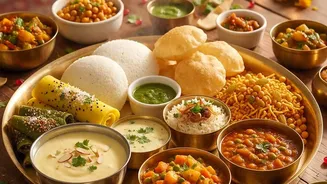
Cities are a playground for food lovers, offering an unparalleled spectrum of vegetarian and vegan dining options. From humble street-side stalls selling vada pav for a few rupees to mid-range cafes and exclusive fine-dining restaurants, the choice is endless. However, this variety is a double-edged sword for your finances. The cost of eating out in a major metro is inflated by high commercial rents, labour costs, and other overheads. A simple vegetarian thali that costs a modest amount in a local eatery can be priced significantly higher in a trendy urban neighbourhood. While India remains one of the most affordable countries for food, the sheer availability and temptation of diverse culinary experiences in a city mean that dining out can easily become a major recurring expense if not managed carefully.
The Premium for 'Clean' and Niche Eating
Urban centres are the epicentres of new food trends, particularly the move towards 'clean', organic, and plant-based eating. For vegetarians looking to explore these options, cities offer a growing array of choices, from artisanal tofu to almond milk and organic produce. This trend is driven by rising health consciousness among urban consumers who are often willing to pay more for products they perceive as healthier and safer. The market for organic food in India is projected to grow significantly, with consumers paying a premium that can range from 7% to over 20% for such products. While these options enhance a vegetarian diet, they also introduce a new, premium tier of spending that can quickly inflate a monthly grocery bill.
Smart Strategies for the Urban Vegetarian
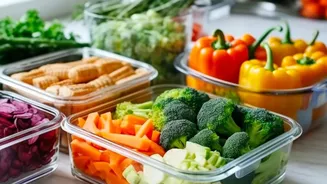
Navigating the high costs of city living without compromising on a healthy vegetarian diet is entirely possible with a few smart strategies. First, prioritise shopping at local markets for fresh produce to get better prices and fresher ingredients. For staples like grains and lentils, consider buying in bulk from wholesale shops or during sales at supermarkets, as this is often cheaper than buying small quantities frequently. Embrace meal planning and preparation; cooking at home remains significantly cheaper than eating out, and recent data shows the cost of a homemade vegetarian thali is around ₹31, a fraction of a restaurant meal. By planning meals, you reduce last-minute reliance on expensive delivery apps. Finally, create a realistic budget for dining out. This allows you to enjoy the city's vibrant food scene without it derailing your financial goals.