

From Radio Waves to Video Feeds
For decades, the path to music discovery followed a predictable route. A song would debut on the radio, climb the charts, and if it was a big enough hit, earn a coveted spot as a music video. The audio experience was primary; the visual was a supplement.
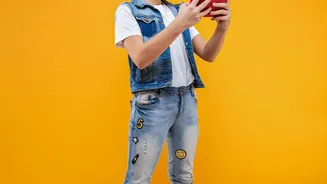
But for listeners in their teens and twenties, that model has been completely inverted. The new hit-making formula starts not with a sound, but with a sight. Short-form video platforms like TikTok, Instagram Reels, and YouTube Shorts have become the world’s most powerful music discovery engines. A 15-second clip of a dance challenge, a funny meme, or a relatable life moment is now the gateway through which millions of people hear a song for the first time. The song isn't the main event—it's the soundtrack to a bite-sized piece of visual content.
The 15-Second Audition
This shift is driven by the mechanics of the platforms themselves. On TikTok, a 'sound' can detach from its original artist and take on a life of its own, paired with countless user-generated videos. This creates a phenomenon that industry analysts call the '15-second audition,' where a catchy snippet is all a song gets to make an impression. Recent data highlights this dominance: one study found that 68% of social media users find new music through short-form videos. Another noted that 82% of Gen Z use social media and user-generated video sites for music discovery, with over half specifically citing TikTok as a primary source. A song goes viral not necessarily because of its composition, but because its snippet works perfectly with a visual trend. Success is measured in how easily a track can be re-contextualized by thousands of different creators, turning listeners into active participants.
Why Seeing Is Believing
The psychological pull of this visual-first approach is powerful. A video provides an immediate emotional and cultural shortcut. When a sound is paired with a funny, heartwarming, or aesthetically pleasing clip, the song inherits that emotion. You don't just hear the track; you experience it as part of a shared moment, a communal inside joke, or a creative trend. This makes the music stickier and more memorable than a passive listen ever could. For Gen Z, authenticity and connection are paramount. Seeing a song used by peers and creators they trust forges a sense of community around the music. After the initial hook on a platform like TikTok, curious listeners often migrate to YouTube to find the full music video, lyric explanations, or live performances, deepening the connection that the visual snippet first established.
Crafting the Viral Moment
The music industry has been forced to adapt rapidly. Artists and record labels now strategize around creating 'TikTokable' moments within their songs—a punchy chorus, a distinctive beat drop, or a relatable lyric designed to be clipped and shared. Marketing campaigns that once focused on radio play and press coverage now prioritize seeding sounds with influencers and sparking trends. This has democratized hit-making to an extent, allowing independent artists to break through without traditional gatekeepers. However, it also creates new pressures. The risk is a 'song-to-artist' discovery gap, where a sound can achieve massive virality, but listeners may never learn the name of the artist who created it. The challenge for musicians is to convert fleeting visual fame into a lasting fanbase, encouraging viewers to move from the 15-second clip to the full album and, eventually, to a concert ticket.