

1. The Bold Patterned Wallpaper
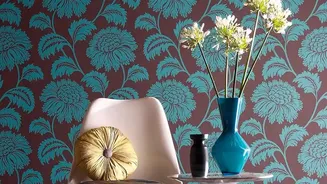
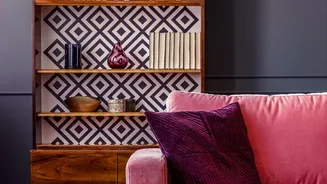
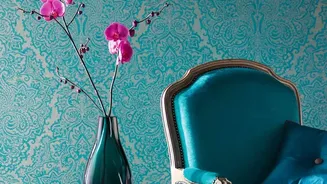
This is the hero of feature walls, but it comes with one crucial rule: balance. The main point of using patterned wallpaper is to create a focal point without overwhelming the room. The key is to consider the scale of the pattern in relation to the size
of your space. A large, dramatic print can make a big room feel grand and intentional, while a smaller, more delicate pattern can add interest to a compact space without making it feel cramped. Choose a wall that naturally draws the eye, like the one behind your bed or sofa, and ensure it's a relatively solid canvas without too many windows or doors. Keep the other three walls neutral to let the wallpaper shine. The goal is for the wall to feel like a cohesive part of the design, so pull one or two colours from the pattern and echo them in your decor, like throw pillows or a rug, to tie everything together.
2. The Rich, Solid Colour Block
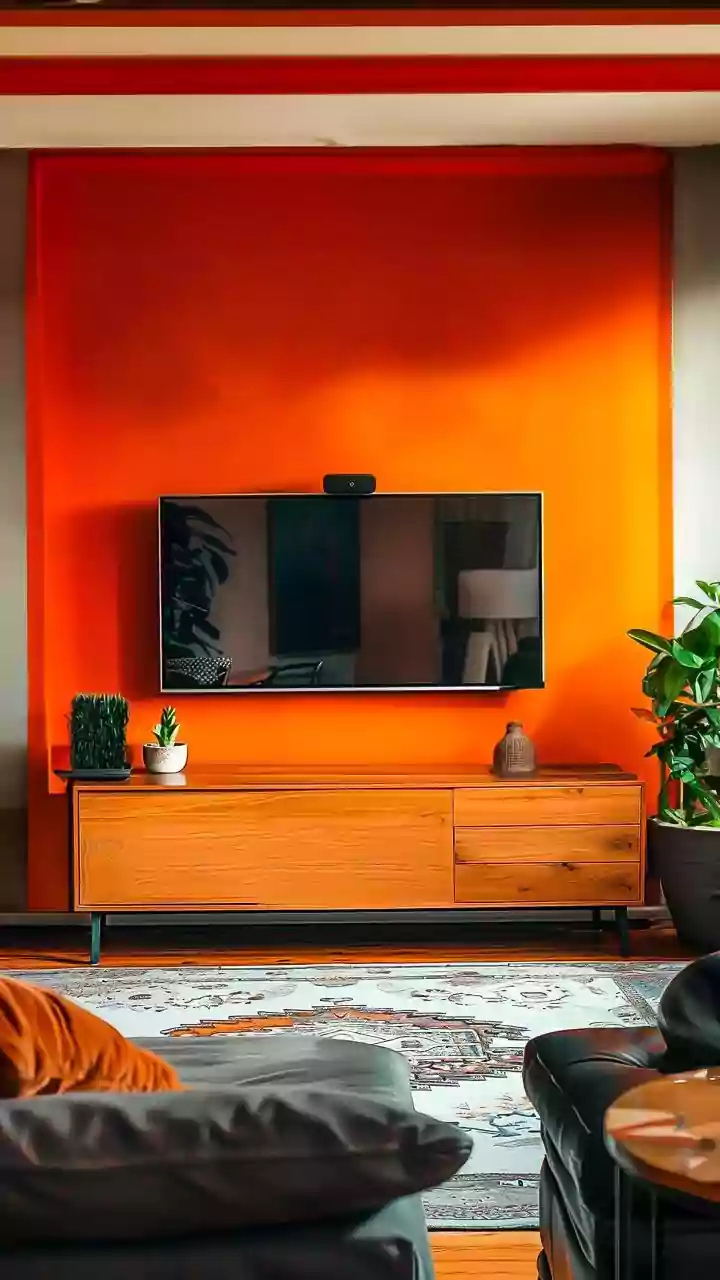
The most classic approach is a single, saturated paint colour. This is a cost-effective and powerful way to create drama and depth. A deep navy, emerald green, or charcoal grey can make a large room feel cosier or give a small room an unexpected sense of depth. The success of a painted accent wall lies in its placement. It should enhance an existing focal point, not compete with it. For example, painting the wall behind a fireplace or a beautiful piece of furniture helps to anchor those elements. To ensure a harmonious look, choose a colour that complements the undertones of the other walls and your existing decor. Even if you opt for high contrast, the colours should feel like they belong in the same family to avoid a disjointed look.
3. The Textural Finish
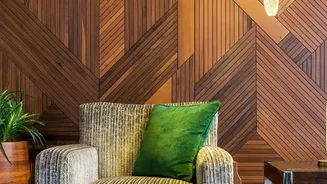
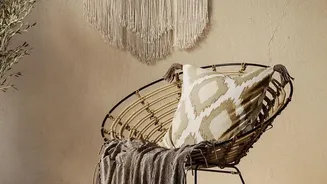
If pattern or colour feels too bold, consider texture. Materials like wood panelling, shiplap, or board and batten add architectural interest and a timeless quality to a room. Vertical wood slats can make a ceiling feel taller and are perfect for a modern, organic look behind a media unit. Wainscoting or beadboard offers a more classic, elegant feel, ideal for dining rooms and entryways. These options are more of a commitment but provide a depth that flat paint cannot replicate. The play of light and shadow on a textured surface adds a subtle, dynamic quality that changes throughout the day, creating a sophisticated backdrop that elevates the entire space.
4. The Curated Gallery Wall
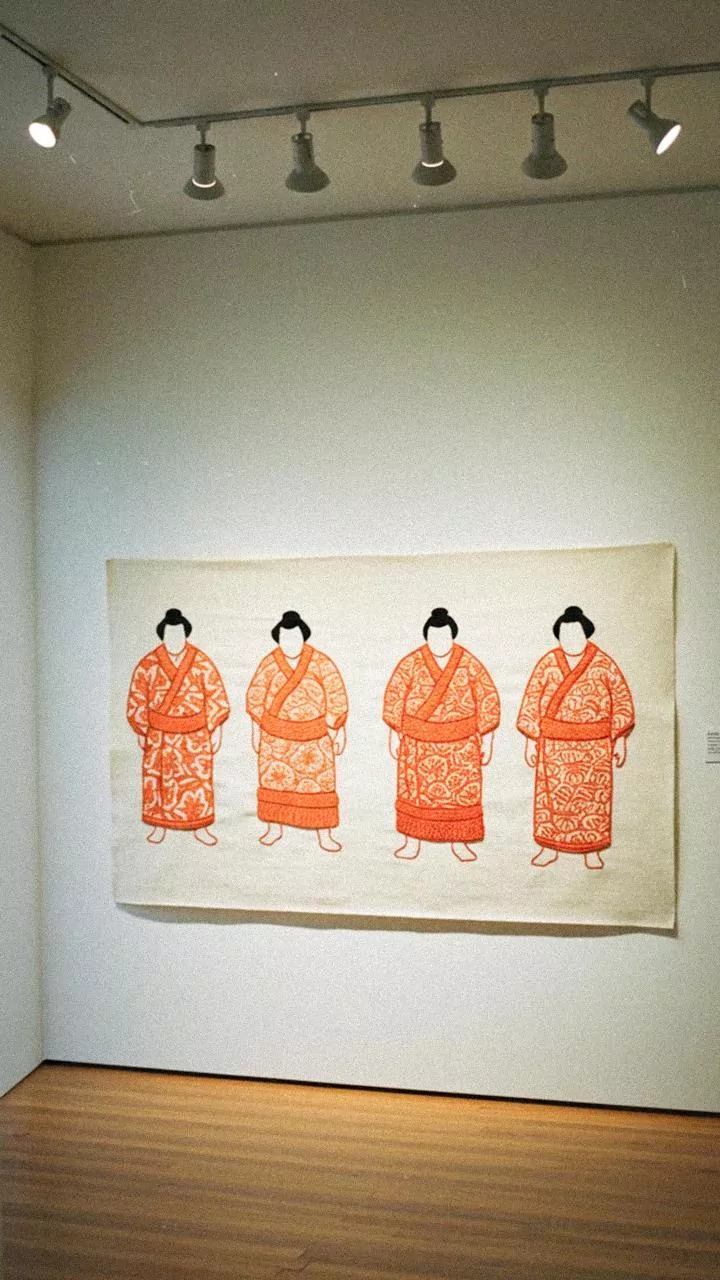
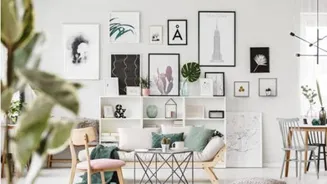
Turn your wall into a personal statement by transforming it into a gallery of art, photos, or mirrors. This approach is incredibly versatile and can be adapted to any style, from minimalist to eclectic. A gallery wall acts as a focal point by consolidating many smaller pieces into one impactful display. The key to a successful gallery wall is a sense of cohesion. You can achieve this by using frames of the same colour, sticking to a specific colour palette for the artwork, or arranging the pieces around a central theme. Don't be afraid to mix and match sizes and orientations to create a dynamic layout. Mirrors are a fantastic addition, as they reflect light and can make a room feel larger and more open.
5. The Functional Feature
Sometimes the best accent wall is one that also serves a purpose. A wall of floor-to-ceiling built-in bookshelves, painted in a contrasting colour, creates a stunning and practical focal point. It adds character, texture, and a home for your books and treasured objects. Wallpapering the back of a bookcase or open shelving is another clever way to introduce pattern on a smaller scale. This technique provides a pop of visual interest without the commitment of covering an entire wall, adding a custom, high-end feel. This approach frames your belongings and turns a simple storage area into a deliberate design feature.