





As temperatures drop, the cold, dry air outside and indoor heating can strip your skin of its natural moisture, leading to tightness, flaking, and irritation. A few simple adjustments to your daily routine are all you need to combat winter dryness.
Swap to a Gentler Cleanser
That
foaming cleanser you loved during humid summer months might be too harsh for winter. Foaming agents can strip the skin of its essential natural oils, which are crucial for maintaining a healthy moisture barrier in colder weather. Make the switch to a cream, oil, or milky cleanser that cleanses without leaving your skin feeling tight or dry. These gentler formulas remove impurities while preserving the natural lipids that protect your skin from the harsh winter environment. When washing your face, use lukewarm water, as hot water can further dehydrate your skin.
Layer Your Hydration
One of the most effective ways to combat winter dryness is by layering hydrating products. Think of it like dressing in layers for the cold. After cleansing, apply a hydrating serum containing ingredients like hyaluronic acid or glycerin. Hyaluronic acid is a powerful humectant, capable of holding up to 1,000 times its weight in water, which helps to plump your skin and lock in moisture. Glycerin also works to draw moisture into the upper layers of your skin. Apply your serum to damp skin to maximize its hydrating effects before moving on to your moisturizer.
Switch to a Richer Moisturizer
Your lightweight summer lotion likely won't be enough to stand up to winter's challenges. This is the time to upgrade to a richer, thicker cream or ointment. Look for moisturizers that contain ceramides, shea butter, and squalane. Ceramides are fatty acids that help repair the skin's barrier, preventing water loss. Shea butter and squalane are emollients that soften the skin and form a protective layer to seal in all the hydration from your previous steps. These ingredients are key to keeping your skin resilient against cold winds and dry indoor air.
Adjust Your Exfoliation Strategy
While it might seem tempting to skip exfoliation when your skin feels dry, it's actually an important step. Gently removing the buildup of dead skin cells allows your hydrating serums and moisturizers to penetrate more effectively. However, it's crucial to be gentle. Avoid harsh physical scrubs, which can cause micro-tears and further irritate a compromised skin barrier. Instead, opt for a mild chemical exfoliant with ingredients like glycolic or lactic acid once or twice a week. If your skin is very sensitive, you may need to reduce exfoliation even further.
Don’t Forget Sunscreen
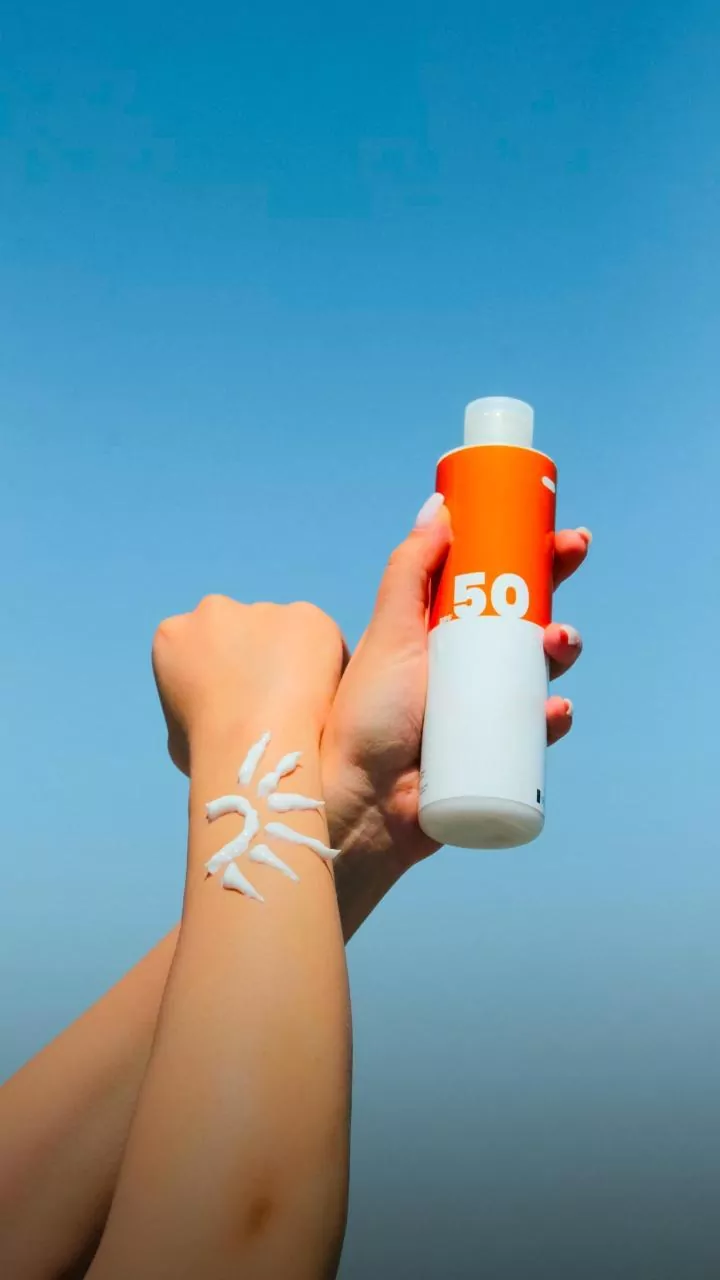
It's a common myth that sunscreen is only for sunny summer days. UVA rays, which contribute to premature aging, are present yearround and can penetrate through clouds and windows. Snow can also reflect the sun's rays, increasing your exposure. Therefore, applying a broad spectrum sunscreen with an SPF of 30 or higher every morning is nonnegotiable, even in winter. To make it easier, look for more moisturizing sunscreen formulas, like creams, to add another layer of hydration and protection.
Consider a Humidifier
The environment inside your home plays a huge role in your skin's health. Central heating creates a very dry atmosphere, which constantly pulls moisture from your skin. An easy and effective hack is to use a humidifier, especially in your bedroom or office. A humidifier adds moisture back into the air, which helps your skin stay hydrated and can prevent you from waking up with that tight, parched feeling.
Protect Your Extremities
The skin on your hands and lips is thinner and more delicate, making it extra vulnerable to cold, dry conditions. Don't forget to give these areas some extra care. Wear gloves when you go outside to create a physical barrier against the cold and wind. Keep a nourishing lip balm handy and apply it throughout the day to prevent chapping. At night, consider applying a thick layer of a rich hand cream and a hydrating lip mask to heal and moisturize while you sleep.