








What Exactly Is Dragon Fruit?
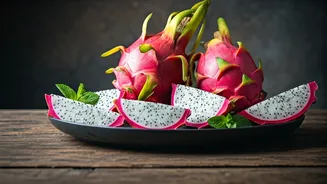
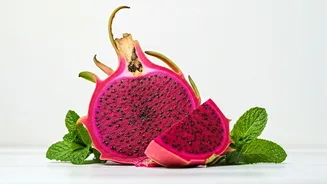
Dragon fruit, also known as pitaya or strawberry pear, is a tropical fruit that grows on a type of cactus. Its stunning appearance is what first captures your attention: a brilliant pink or yellow, leathery-skinned orb covered in green-tipped scales,
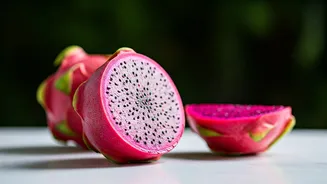
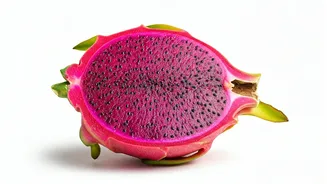
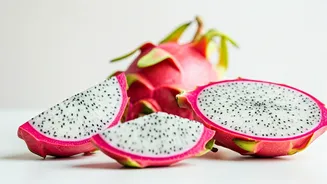
which is how it earned its mythical name. Originally native to Central America, it's now cultivated in many tropical regions worldwide. When you cut it open, you'll find a striking flesh—most commonly white or a deep reddish-purple—dotted with tiny, edible black seeds, similar to a kiwi. There are three main types you might encounter: one with pink skin and white flesh (the mildest), one with pink skin and red or magenta flesh (often sweeter and more flavourful), and one with yellow skin and white flesh (typically the sweetest of all).
A Taste of the Exotic
Despite its wild appearance, dragon fruit has a surprisingly subtle and refreshing flavour. Many people describe the taste as a delicate cross between a kiwi and a pear, with some hints of watermelon. Its texture is often compared to a ripe kiwi or melon, creamy yet firm with a satisfying light crunch from the edible seeds. The flavour is mildly sweet rather than overwhelmingly sugary, making it a versatile addition that won't overpower other fruits. The red-fleshed varieties tend to have a slightly richer, earthier taste, while the yellow-skinned ones are known for being exceptionally sweet.
More Than Just a Pretty Face
Dragon fruit isn't just beautiful; it's also packed with nutritional benefits. It's a good source of fibre, which is excellent for digestive health, and it's low in calories. The fruit is also rich in essential vitamins and minerals, including vitamin C, which boosts the immune system, and magnesium. Furthermore, dragon fruit contains valuable antioxidants like flavonoids and betacyanins (in the red varieties), which help protect your cells from damage caused by free radicals. It also contains prebiotics, which help feed the good bacteria in your gut, promoting a healthy microbiome.
How to Pick the Perfect Dragon
Choosing a ripe dragon fruit is key to enjoying its flavour, as an under-ripe one can be tasteless. Look for a fruit with bright, evenly coloured skin. Avoid ones with lots of brown spots, blemishes, or a dry, shrivelled stem, as these can be signs of being overripe. Gently press the fruit with your thumb; it should have a slight give, similar to a ripe avocado or peach. If it feels rock-hard, it needs a few more days to ripen. You can leave it on your counter at room temperature to soften. Once it's ripe, it can be stored in the refrigerator for a few days to maintain its freshness.
Simple Prep for a Stunning Result
Preparing dragon fruit is much simpler than its complex exterior suggests. All you need is a knife and a spoon. Start by washing the fruit and placing it on a cutting board. Cut it in half lengthwise. From here, you have two easy options. You can use a large spoon to scoop the flesh out of each half, similar to how you would with an avocado. The skin will peel away easily. Alternatively, you can simply eat the flesh directly from the skin with a spoon. Once you have the flesh removed, you can slice it, dice it into cubes, or use a melon baller for perfectly round spheres that will make your fruit salad look professionally made.
Building a Better Fruit Salad
Now for the fun part. The mild sweetness of dragon fruit pairs wonderfully with a wide range of other fruits. For a truly tropical experience, combine it with mango, pineapple, and kiwi. Berries like strawberries and blueberries add a lovely pop of colour and a different kind of sweetness. Other great companions include citrus fruits, papaya, and pomegranate seeds. To bring it all together, a simple dressing of lime juice and a drizzle of honey can brighten up all the flavours. For a final touch, toss in some fresh, chopped mint leaves. The combination of textures and colours will instantly elevate your fruit salad from a simple side dish to a stunning centrepiece.