





Your Pocket Planetarium
The secret lies in augmented reality (AR) sky-tracking apps. These powerful tools use your phone's built-in GPS, compass, and gyroscope to map the heavens in real time. When you point your device at the sky, the app overlays information directly onto
your camera's view, identifying stars, constellations, and most importantly, planets that might otherwise look like faint, anonymous dots. Many of these apps work without a Wi-Fi or data connection, making them perfect companions for any stargazing adventure, whether on a remote hilltop or a city balcony.
Choosing the Right Stargazing App
Dozens of apps are available, but a few stand out for their user-friendly design and powerful features. For beginners, SkyView Lite is a fantastic starting point, offering a simple point-and-identify interface for free on both iOS and Android. Star Walk 2 is another excellent choice for novices, celebrated for its beautiful graphics and easy navigation. For those wanting a more realistic and comprehensive map, Stellarium Mobile brings the power of its renowned desktop software to your phone, showing a photorealistic sky. Most of these apps offer a free version that is more than capable of helping you locate the brightest planets.
How to Prepare for Urban Stargazing
Location is key, even in a dense urban environment. Find the highest and darkest spot you can access, like a rooftop or an upper-floor balcony. Try to position yourself where buildings block the direct glare from streetlights. Just as crucial is giving your eyes time to adjust. It takes at least 20 to 30 minutes for your pupils to dilate fully and become sensitive to fainter light, so put your phone away and simply sit in the darkness for a while before you begin your search. Finally, when you do use your app, switch it to “night mode.” This changes the screen to a red tint, which helps preserve your night vision.
What to Look For in September 2026
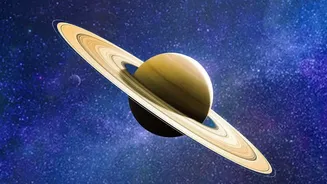
This month is a great time for planet hunting from the city. The easiest and most rewarding targets are bright planets, as they shine with a steady light that punches through the skyglow better than twinkling stars. Venus will be exceptionally bright in the western sky just after sunset, reaching its peak brilliance for the year. You can also spot yellowish Saturn, which rises in the east shortly after sunset and is visible for most of the night. Though it rises later, Jupiter will dominate the pre-dawn sky with its unmistakable bright white glow. An app can confirm their locations, but you'll be surprised how easily they stand out to the naked eye once you know where to look.
Tips for Beating the City Glow
While you can't eliminate light pollution, you can work around it. Haze and smog trap and scatter city light, making the sky appear brighter, so the best viewing nights are often after a rain shower or when a weather front has cleared the air, leading to better transparency. Focus your efforts on the brightest objects. Planets like Venus, Jupiter, and Saturn are ideal targets for urban astronomy because their brightness makes them less affected by skyglow. You can also hunt for the International Space Station (ISS); apps like SkyView or Star Walk 2 can send you notifications for when it's scheduled to fly over your location, appearing as a bright, fast-moving point of light.