






The Science of Withdrawal
The monsoon doesn't just stop; it withdraws in a gradual, staggered process. The India Meteorological Department (IMD) declares the withdrawal based on specific criteria, including a halt in rainfall for five continuous days, a drop in moisture, and the formation
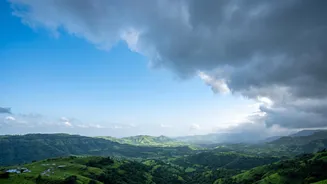
of an anticyclone in the lower atmosphere. This process typically begins from the northwestern parts of the country, like West Rajasthan, around mid-September. For 2026, while satellite images show reduced cloud cover, the official withdrawal is still pending, with forecasters expecting conditions to become favourable for the retreat in the second half of September. The entire process is a slow march, taking about a month or more to move southeast across the country.
A Tale of Two Harvests
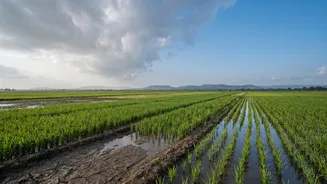
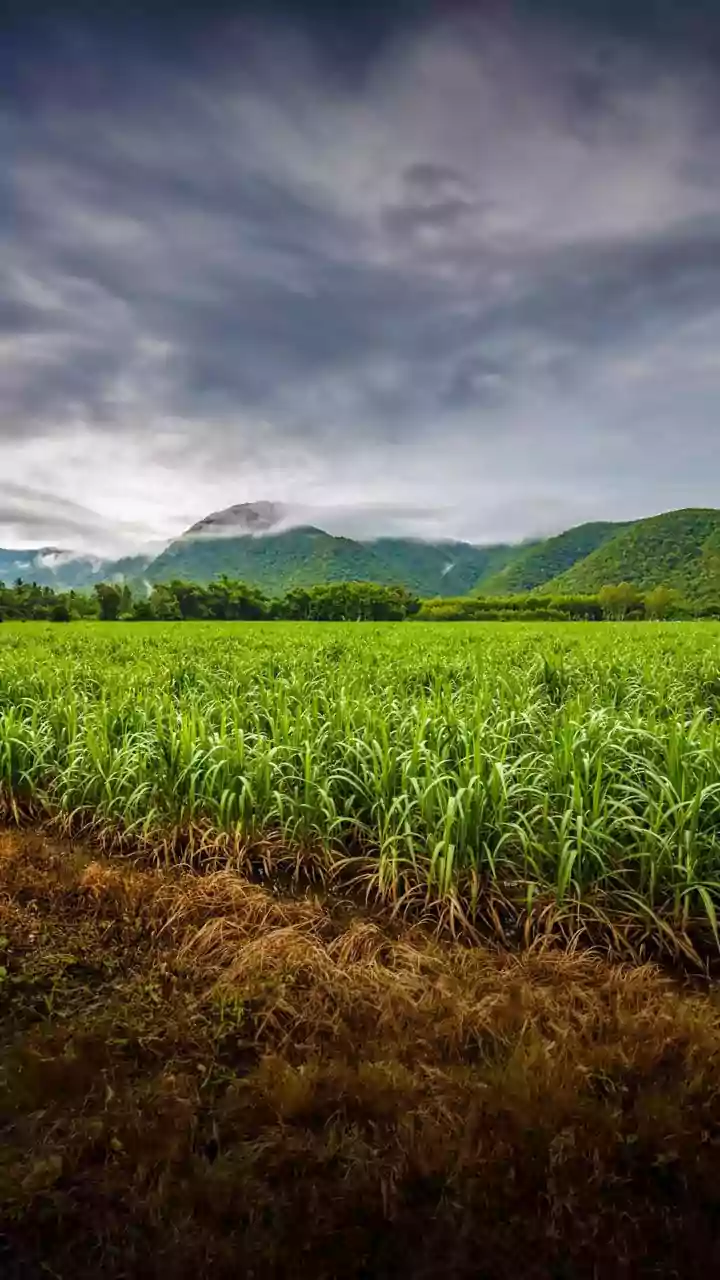
For India's farmers, the monsoon's retreat is a critical and delicate period. The timing affects two major crop cycles: the Kharif (monsoon) crops and the Rabi (winter) crops. A timely withdrawal is good for harvesting standing Kharif crops like rice, soybeans, and cotton, as excessive late rainfall can cause damage and lead to lower yields. However, the amount of rain received during this period is equally crucial for the next season. The retreating rains replenish soil moisture and fill reservoirs, which are vital for sowing winter crops like wheat and chickpeas. A deficit in September rainfall can hamper the growth of these Rabi crops, potentially impacting food production and the broader economy.
Shifting Gears in the City
Urban life also recalibrates as the monsoon pulls back. The most immediate relief is the end of daily waterlogging and traffic snarls that plague cities during heavy rains. However, the focus quickly shifts to water management. Civic authorities closely monitor reservoir levels, which are hopefully filled to capacity by the monsoon, to ensure a stable water supply through the long, dry months ahead. The weather itself changes noticeably. Humidity levels drop, and while skies become clearer, a phenomenon known as 'October heat' can bring a temporary spike in temperatures before the cool winter air sets in.
What to Expect Next
As the southwest monsoon recedes, a different weather system takes shape. The post-monsoon season, from October to December, brings its own dynamics. While most of northern and central India enters a dry phase with clear skies and cooler nights, the southern peninsula prepares for the Northeast Monsoon. This 'retreating monsoon' picks up moisture from the Bay of Bengal and delivers significant rainfall to states like Tamil Nadu, coastal Andhra Pradesh, and parts of Kerala. This period is also when the Bay of Bengal becomes active with tropical cyclones, which can bring intense rain and wind to the eastern coast.