


The Power of an Unexpected Pairing
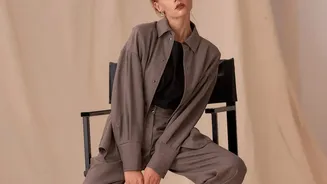
At its heart, the idea is simple: take a fabric rich with tradition and craft it into a shape that feels current and global. A silhouette—the outline or shape of a piece of clothing—has the power to completely redefine the context of the material it's
made from. When we think of Banarasi silk, our minds often go straight to opulent sarees worn at weddings. But when that same lustrous, brocaded fabric is tailored into a sharp blazer, a pair of wide-leg trousers, or a minimalist gown, its identity shifts. It’s no longer just for ceremonial wear; it becomes a statement of modern luxury, wearable in a boardroom or at a chic dinner party. This fusion honors the textile's legacy while making it relevant to contemporary life.
Case Study: The Banarasi Renaissance
Banarasi silk, with its intricate gold and silver zari work inspired by Mughal-era motifs, is a cornerstone of Indian bridal wear. For generations, its value was tied to its use in elaborate sarees and lehengas. Today, designers are deconstructing this notion. They are using lighter-weight Banarasi fabrics like organza and georgette to create everything from flowing jumpsuits to structured jackets. This reimagining appeals to a younger generation that appreciates the craftsmanship but desires versatility. Seeing a Banarasi fabric in the form of a sleek co-ord set or a bomber jacket makes the textile feel accessible and exciting, proving its adaptability beyond the festive season.
From Kanjeevaram's Drape to Modern Structure
Kanjeevaram silk from the south is another fabric undergoing a modern transformation. Known for its durability, vibrant colours, and temple-inspired borders, its traditional form is the saree, defined by its heavy, luxurious drape. Contemporary designers are playing with this inherent quality by giving the fabric structure. Imagine a Kanjeevaram silk, with its classic peacock or temple motifs, tailored into a structured blazer or a fitted peplum top. This approach retains the fabric's regal essence but places it within a modern, architectural framework. By moving away from purely draped forms, designers are highlighting the fabric's rich texture and patterns in a completely new light, making it a bold choice for non-traditional silhouettes.
Ikat and Bandhani Go Global
It’s not just silks that are being reinvented. Resist-dyed textiles like Ikat from Odisha and Bandhani from Gujarat and Rajasthan are finding new life in Western-style garments. These fabrics, known for their distinct, slightly blurred patterns and vibrant colours, are now being used to create everything from casual maxi dresses and sharp blazers to trendy shrugs and sharara sets. The fusion works beautifully because the organic, artisanal feel of the print provides a stunning contrast to the clean lines of a modern silhouette, like a tailored jumpsuit or a simple A-line skirt. This has helped take these regional crafts to a global stage, celebrated for both their beauty and versatility.
A Statement of Modern Identity
Ultimately, pairing a traditional fabric with a contemporary silhouette is more than just a fashion trend; it's a cultural statement. It represents a way for people to connect with their heritage and the incredible skill of artisans without feeling confined by tradition. It says that it’s possible to be deeply rooted in one’s culture while embracing a modern, global perspective. This movement ensures the survival of ancient weaving and printing techniques by creating new markets and contexts for them. By choosing to wear an Ajrakh printed dress or a Khadi jacket, we are not only making a style choice but also supporting a sustainable ecosystem of craft and creativity.