



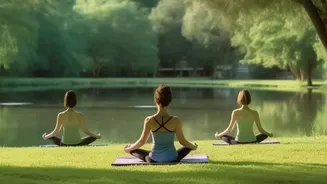

The Path of Mindful Stillness
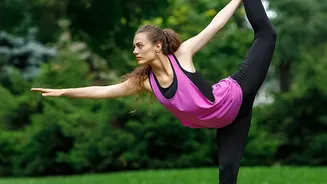
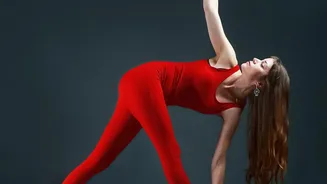
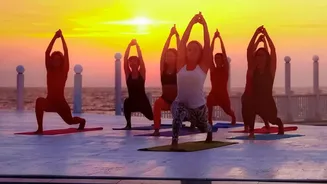
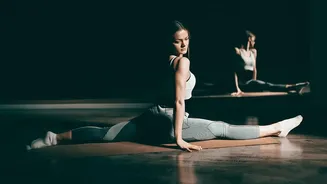
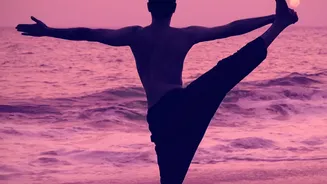
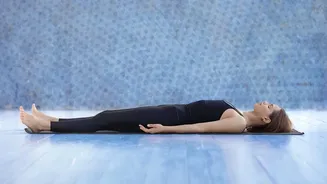
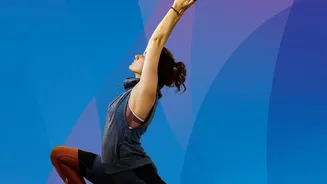
At its heart, yoga is a practice of unification—connecting the body, mind, and spirit. While many are drawn to the physical postures, or asanas, the true essence of yoga lies in the breath. Pranayama, the practice of breath regulation, is fundamental.
It’s about using controlled, intentional breathing to calm the nervous system, focus the mind, and cultivate a state of present-moment awareness. A typical yoga class guides you through sequences of poses, but the constant instruction is to return to the breath. This inward focus is designed to reduce stress, quiet mental chatter, and build a deep connection between your physical sensations and your emotional state. It’s a workout, but it’s also a 'work-in'.
Benefits of a Breath-Led Practice
The benefits of a consistent yoga practice are well-documented. Physically, it enhances flexibility, builds core strength, and improves balance and posture. Mentally and emotionally, the emphasis on mindful breathing has profound effects. Scientific evidence shows that yoga is a powerful tool for stress management. Regular practice can lower blood pressure, improve sleep quality, and increase mental clarity. By consciously slowing and deepening the breath, you activate the body's relaxation response, which can help alleviate symptoms of anxiety and depression. If you are seeking a practice that builds physical resilience while providing a sanctuary of calm and introspection, yoga offers a clear path.
The Joy of Expressive Movement
Dance, in all its forms, is about expression. It is a physical manifestation of emotion, rhythm, and story. The word 'emotion' itself comes from a Latin term meaning 'to move through'. Where yoga encourages you to go inward, dance invites you to move outward, releasing energy and expressing feelings through your body. Whether it’s the structured grace of ballet or the high-energy fun of Zumba, dance connects you to music and, often, to other people. It’s an activity that champions spontaneity and joy, triggering the release of mood-boosting chemicals like endorphins and serotonin that create a 'dancer's high'. It's less about holding a perfect pose and more about losing yourself in the motion.
Cardio, Coordination, and Catharsis
The primary physical benefit of dance is its excellent cardiovascular workout. It elevates your heart rate, builds stamina, and can burn a significant number of calories, making it effective for weight management. Beyond heart health, dance enhances coordination, agility, and cognitive function as you learn and remember routines. Emotionally, it provides a powerful outlet. Dance can be a therapeutic way to process feelings, from joy to frustration, without saying a word. It fosters a sense of community and connection when practiced in a group, combating feelings of isolation. If you’re looking for a workout that feels like a celebration and offers both a physical and emotional release, dance may be your answer.
How to Make Your Choice
The decision between yoga and dance ultimately depends on your personal goals and what your spirit is craving. Ask yourself: am I seeking stillness or energy? Do I want a practice that is introspective and meditative, or one that is social and expressive? Yoga is ideal for those who want to de-stress, increase flexibility, and build a stronger mind-body connection in a calm, controlled environment. Dance is perfect for anyone who wants a high-energy cardio workout, loves music, and enjoys expressing themselves in a more dynamic and often social setting. There’s no wrong answer, and the two practices are not mutually exclusive. Many dancers use yoga to improve flexibility and prevent injury, while many yogis enjoy dance as a form of joyful cardio.