




An Evolving National Palate
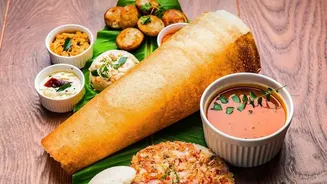
For years, the Indian restaurant landscape was dominated by a predictable rotation of Punjabi, Mughlai, and a handful of South Indian staples. Butter chicken, dal makhani, paneer tikka, and dosa were the undisputed kings, representing 'Indian food' to
the majority of diners. While delicious and beloved, this limited menu barely scratched the surface of the subcontinent's true culinary diversity. Today, that is changing rapidly. A growing number of diners are actively seeking flavours that tell a different story. This curiosity is paving the way for cuisines from states like Bihar, Odisha, Nagaland, and Kerala to step into the spotlight in major metropolitan hubs. Restaurants once considered niche are now becoming mainstream destinations, reflecting a national palate that is growing more adventurous and eager for authenticity.
The New Culinary Explorers
Driving this change is a new cohort of diners, primarily urban millennials and Gen Z. Armed with smartphones and a global outlook, they are also increasingly interested in exploring their own heritage. This generation values experiences over possessions, and authenticity is their currency. They are less interested in a standardised curry and more excited by a dish with a unique history and a distinct sense of place. This search for authenticity has led them to explore the smoky, fermented flavours of Nagaland, the rustic, mustard-oil-laced dishes of Bihar, and the coconut-rich coastal delicacies of the Konkan coast. This is not just about eating; it is about connecting with the vast, complex identity of India itself, one plate at a time. This trend is amplified by increased domestic travel and the migration of professionals between states, creating a cross-pollination of tastes and a built-in demand for home-style regional foods in big cities.
From Home Kitchens to High-End Dining
This culinary renaissance is unfolding across the food ecosystem. It began with small, family-run establishments and home chefs, who used social media and delivery apps to share their heritage. A home cook from Bengaluru found a cross-cultural audience for Bihari snacks, while a Naga entrepreneur in Delhi built a business around the once-stigmatized flavours of her homeland. Now, the movement has reached the world of fine dining. Acclaimed chefs are embarking on research trips to remote villages, unearthing forgotten recipes and ingredients. They are not just copying old dishes; they are reinterpreting them with modern techniques while preserving their soul. This has led to the elevation of humble ingredients like millets, jackfruit, and lotus stem, which are now appearing on tasting menus. Chefs are finding that diners are not only receptive but excited to learn the story behind their meal, from the sourcing of a specific chilli to the history of a particular spice blend.
The Power of the Digital Thali
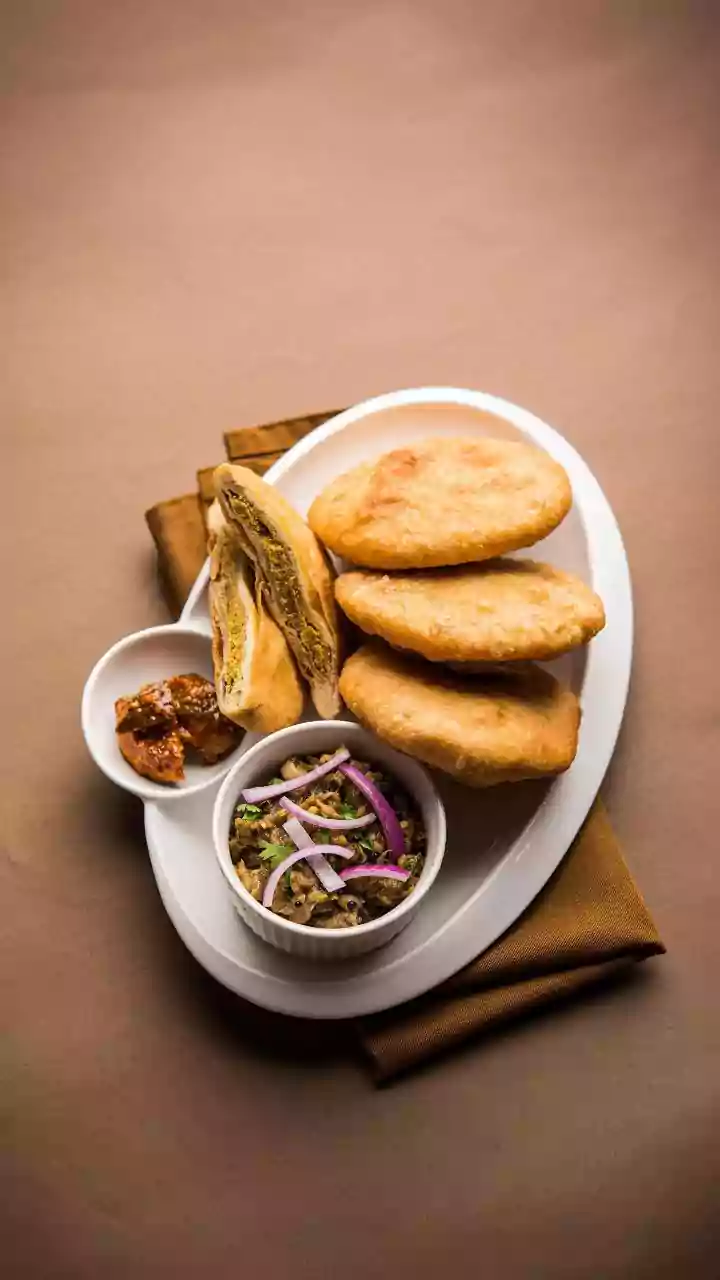
None of this would be possible at this scale without the influence of social media. Platforms like Instagram and YouTube have become powerful tools for culinary education and discovery. Food bloggers and influencers have been instrumental in this shift, using beautiful visuals and compelling storytelling to introduce millions to dishes they have never seen before. A perfectly plated Litti Chokha or a vibrant Bengali Macher Jhol becomes irresistible through a well-shot photo or video. These digital tastemakers have helped dismantle old prejudices, for instance, turning Naga cuisine's pungent, fermented ingredients from a 'stigma' into a sign of 'exclusive ethnic cuisine'. Hashtags and online food challenges create a sense of community and shared adventure, encouraging people to step out of their comfort zones and try something new, whether at a restaurant or in their own kitchen.