
The Pollination Partnership
Pollination is how flowering plants reproduce. It's the simple act of moving pollen from the male part of a flower (the anther) to the female part (the stigma). Once this happens, fertilization can occur, leading to the production of fruits and seeds.
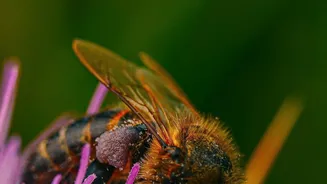
While some plants can pollinate themselves, many rely on external help. This help comes from pollinators: a diverse group of animals including bees, butterflies, birds, and even bats, who are drawn to flowers for a meal of nectar or pollen. In India, our gardens are visited by several key species, including the native Indian honey bee (Apis cerana indica), the giant rock bee (Apis dorsata), and tiny stingless bees (Tetragonula iridipennis), all playing a vital role.
Signs Your Flowers Are Pollinator Magnets
How do you know if your flowers are putting out a welcome mat for pollinators? Look for a few key traits. Many bee-attracting flowers are brightly coloured, particularly in shades of blue and yellow, and often have a sweet scent. Butterflies are often drawn to bright red and purple flowers. The shape of the flower also matters. Some have flat, open petals that act as a landing pad for bees and butterflies, while long, tubular flowers are perfectly shaped for the slender beaks of sunbirds. A garden that is consistently busy with the gentle hum of bees and the fluttering of butterflies during the day is a clear sign that you are providing a healthy, attractive environment.
Red Flags: Is Your Garden Crying for Help?
The most frustrating sign of poor pollination is a plant that looks healthy and produces plenty of flowers, but yields little to no fruit. You might see this in your vegetable patch with brinjal, squash, or cucumber plants. The flowers bloom and then simply wither and fall off. Another tell-tale sign is misshapen or undersized fruit. For example, a cucumber might be small and stunted, or a squash might start to grow and then turn yellow and rot from the end. This happens because the female flower was not adequately pollinated to trigger full fruit development. The most obvious indicator, of course, is a distinct lack of buzzing and fluttering activity. If your garden is consistently quiet and devoid of these helpful visitors, it's a clear signal that it may not be providing the resources they need.
Self-Sufficient Blooms: The Exception to the Rule
It's important to note that not all plants depend on visitors for pollination. Some are self-pollinating, meaning they can fertilize themselves without any external help. Common garden examples include peas and tomatoes. These flowers have both male and female parts positioned in a way that pollen can easily transfer on its own, sometimes with just a gentle breeze. However, even these self-sufficient plants often produce better and bigger fruit when they receive visits from bees. The vibrations from a bee's wings can help shake more pollen loose, leading to more successful fertilization. So, while they don't strictly need pollinators, they still benefit greatly from their presence.
How to Become a Pollinator's Best Friend
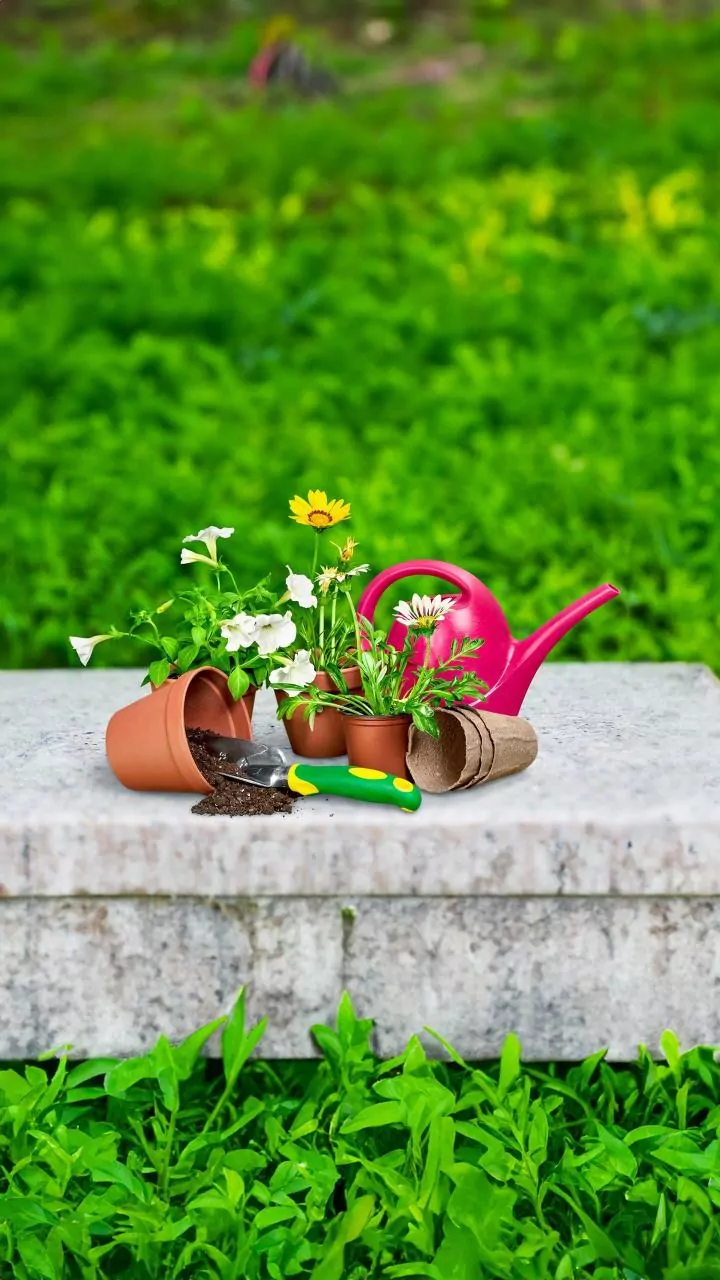
If you suspect your garden needs a pollination boost, the good news is that helping is easy and rewarding. The most effective step is to plant a variety of pollinator-friendly flowers. Focus on native species that local pollinators have co-evolved with. Aim for a mix of colours, shapes, and sizes to attract different types of helpers. Planting in clumps or patches is more effective than scattering single plants. Providing a simple, shallow water source with some pebbles for landing can make a huge difference. Finally, and most critically, avoid using chemical pesticides in your garden, as they can be harmful or fatal to bees and other beneficial insects. If you must manage pests, choose organic options and apply them in the evening when pollinators are less active.