



Why the Monsoon Is a Gardener's Best Friend
For anyone who has tried to keep plants alive through the scorching Indian summer, the monsoon comes as a blessed relief. This season is nature's own automated gardening system. The consistent rainfall saves you from the daily chore of watering, which
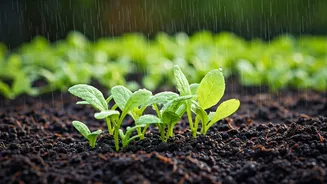
is often the most time-consuming part of plant care. [14] The cooler temperatures and high humidity create a perfect greenhouse-like effect, encouraging seeds to germinate and plants to grow faster. [4, 16] The rain softens the soil, making it easier for roots to establish themselves, and even helps break down organic matter, boosting soil fertility naturally. [5, 14] Essentially, the monsoon does most of the heavy lifting for you, creating ideal growing conditions that allow plants to flourish with minimal intervention. [4, 5]
Embrace the 'Lazy' Gardener Mindset
The term 'lazy' gardener isn't about neglect; it's about smart, efficient gardening. It means working with nature, not against it. During the monsoon, this means choosing plants that love the prevailing conditions and letting the season's rhythm guide your efforts. Instead of a rigid watering schedule, you learn to read the rain and the soil. Your main tasks become simpler: ensuring your pots have good drainage to avoid waterlogging and occasionally checking for pests that thrive in the damp. [9, 15] This approach is less about intensive labour and more about observation and timely, minimal action. It's about enjoying the process and the results without feeling overwhelmed.
Easy Vegetables That Love the Rain
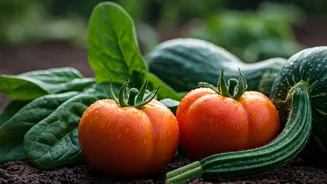
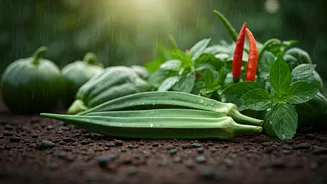
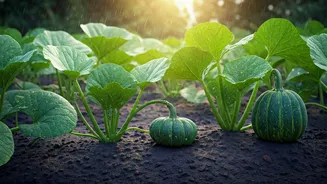
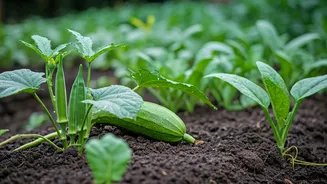
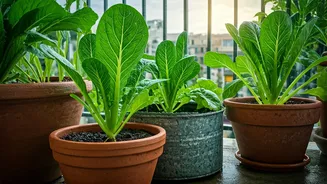
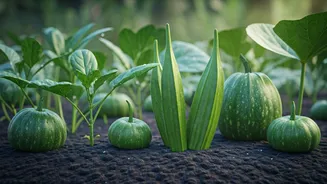
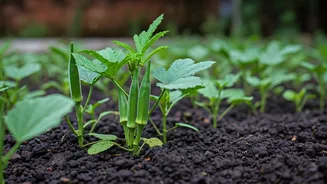
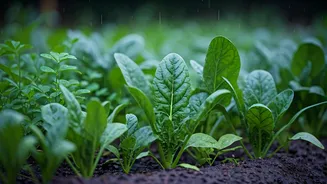
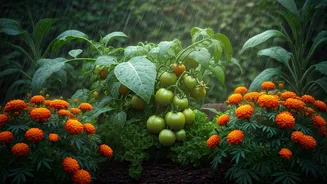
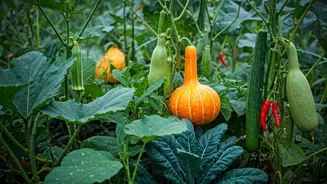
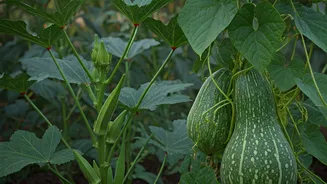
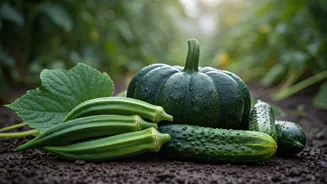
The monsoon is a prime time for a kitchen garden. Many Indian vegetables thrive in these conditions and are famously easy to grow, even for beginners. * **Bhindi (Okra):** This popular vegetable grows quickly and loves the humidity of the monsoon. [8] It adapts well to container gardening and will reward you with a steady supply. [8, 12] * **Tomatoes:** While they need some sun, many tomato varieties are resilient and do well during the rainy season. Cherry tomatoes are particularly good for pots. [2, 8] * **Gourds (Lauki, Turai):** Bottle gourd (lauki) and ridge gourd (turai) are vigorous climbers that grow rapidly with the available moisture. [7, 12] Give them a trellis or support to climb, and they'll produce generously. [7] * **Leafy Greens (Palak, Coriander):** Spinach (palak) and coriander (dhaniya) love the cooler, humid weather. [6, 12] They grow fast and can often be harvested multiple times from the same plant.
Fragrant Flowers and Hardy Herbs
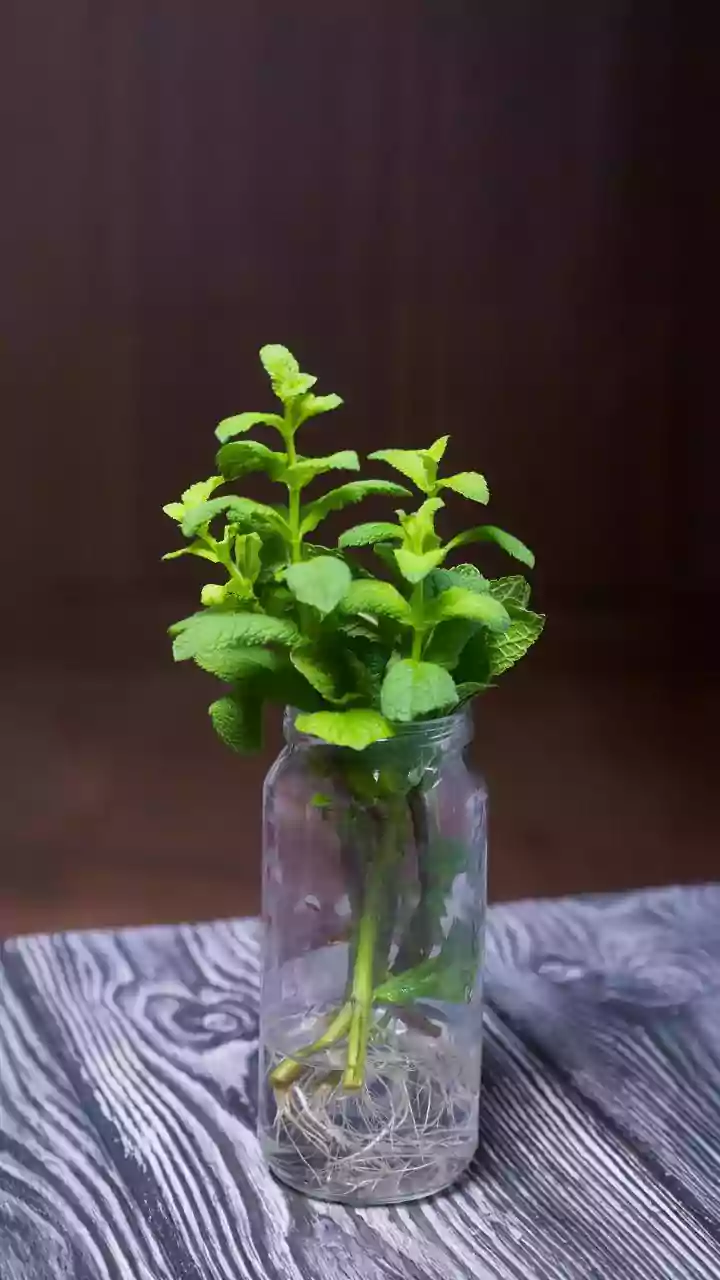
It's not just about vegetables. The monsoon is when many flowering plants put on their best show. * **Hibiscus:** These shrubs love the rain and produce big, colourful blooms throughout the season, adding a tropical feel to any balcony or garden. [3, 18] * **Jasmine (Mogra):** The fragrance of jasmine combined with the smell of rain is iconic. These plants adore the humidity and will flower profusely. [3, 23] * **Rain Lily:** As the name suggests, these plants send up delicate, beautiful flowers, often in white, pink, or yellow, right after a shower. [11] * **Mint (Pudina):** This hardy herb thrives in moist soil and can be grown easily in small pots. It’s perfect for adding a fresh zing to your monsoon chai.
A Few Words of Caution
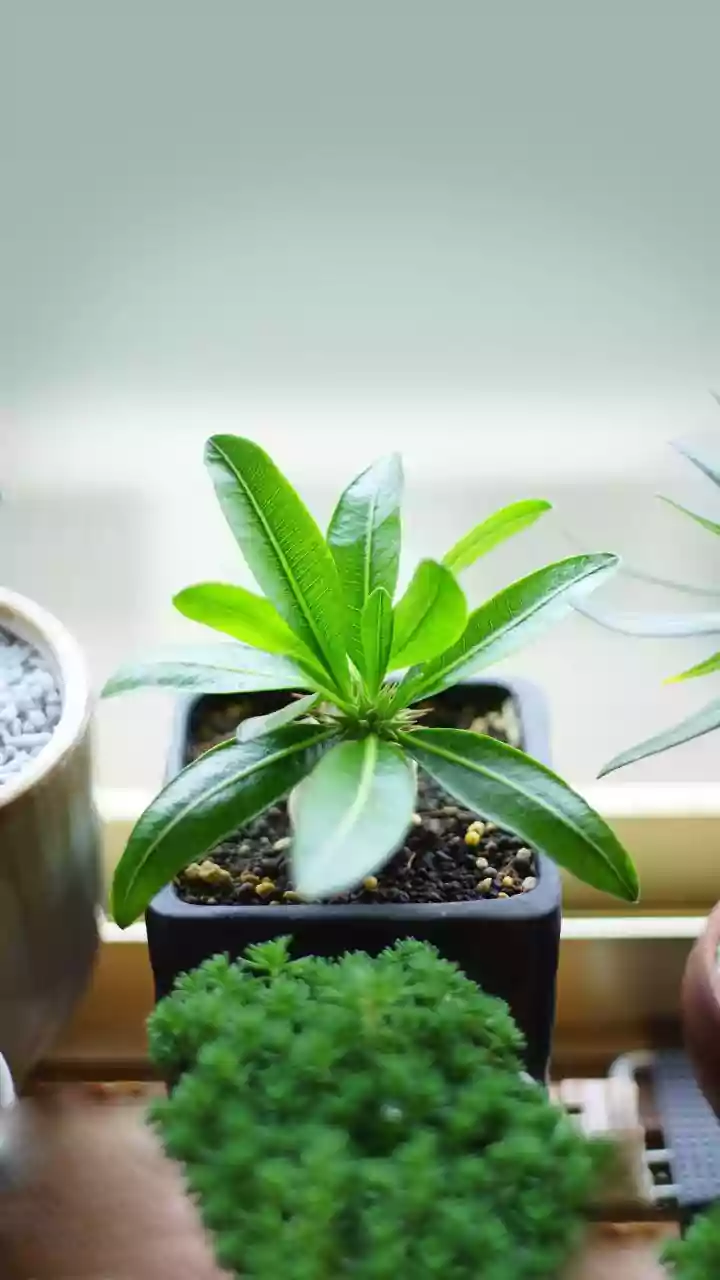
While monsoon gardening is low-effort, it isn't 'no-effort'. The biggest challenge is overwatering and poor drainage. [9] Ensure every pot has drainage holes at the bottom and that they aren't blocked. [9, 20] If possible, elevate pots on bricks or stands to help excess water escape. [9] The high humidity can also encourage fungal diseases and pests. [15, 20] Improve air circulation by not overcrowding your plants and by pruning any dead or yellowing leaves. [9, 25] A quick inspection every few days is all it takes to catch and solve these minor issues before they become big problems.