


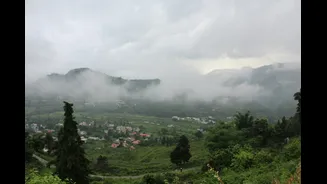
Why October is the Perfect Time to Go
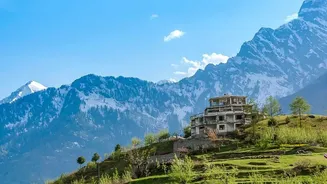
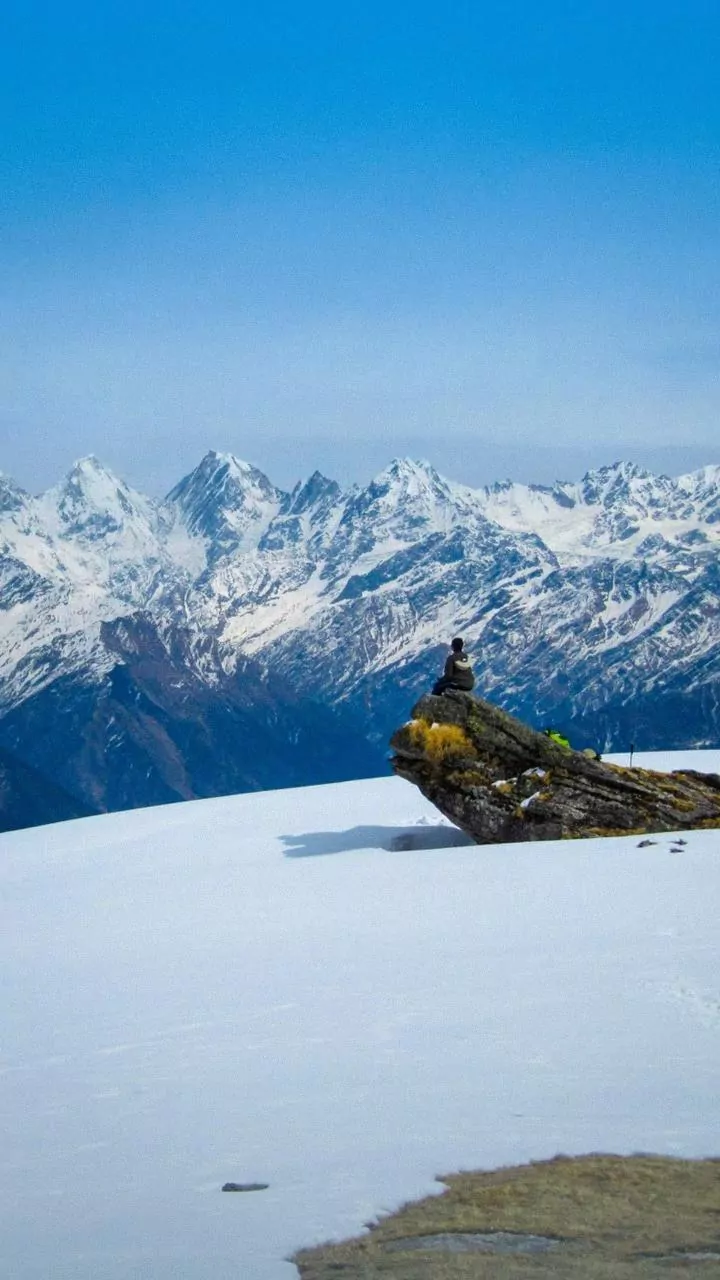
October is widely considered one of the best months to visit the Kinnaur region. The post-monsoon air offers crisp, clear views of the majestic Kinner Kailash range, a sight that is often obscured during other times of the year. This month also marks
the tail end of the apple harvesting season. While the peak rush of September is over, you will still see orchards laden with fruit and the roads bustling with trucks carrying the fresh produce, offering a unique glimpse into the local economy. The weather is generally stable, and the main tourist crowds have thinned, making it a shoulder season that provides a more peaceful experience.
Weather: Expect Crisp Days and Cold Nights
The weather in October is a tale of two halves: pleasant days and chilly nights. In Kalpa, daytime temperatures typically hover around 18°C, while nights can drop to a cold 4-5°C. Sangla's weather is similar, with average highs around 14°C and lows near 1°C. Early October feels milder, but as the month progresses, winter begins to set in, and temperatures fall further. Snowfall is possible, especially in the higher reaches and towards the end of the month, but it is not guaranteed. The key is to be prepared for a significant temperature drop as soon as the sun sets.
What to Pack: Layering is Essential
Packing for an October trip to Sangla and Kalpa requires a focus on layers. During the day, a light fleece or jacket over a full-sleeve shirt will likely be sufficient. However, for the cold mornings and evenings, a heavy insulated jacket is a must. Thermals, woollen socks, gloves, and a warm cap are not optional—they are essential for staying comfortable, especially after dark. Sturdy walking shoes with good grip are necessary for exploring the villages and trails. Sunscreen and sunglasses are also crucial, as the sun can be surprisingly strong at this altitude, even on cool days.
Road Conditions and Getting Around
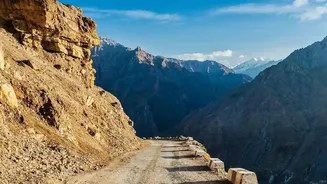
While October generally offers stable road conditions after the monsoons, the journey to this remote region is always an adventure. The main highway, NH-05, is prone to landslides and shooting stones, so it's wise to build a buffer day into your itinerary for unexpected delays. Roads are typically open to Sangla, Kalpa, and even Chitkul, 'India's last village'. However, access to Chitkul can become uncertain towards the end of October as snow can lead to temporary closures. Always check road status locally before starting your journey, especially if you plan to drive yourself. If you're not an experienced hill driver, hiring a local taxi is the recommended and safer option.
Accommodation: Book Ahead but Expect Options
October is a popular month, but it's less crowded than the peak summer season. You will find a good range of hotels and homestays open in both Sangla and Kalpa. However, it is still advisable to book your accommodation in advance, particularly if you have specific preferences for views or amenities. Many homestays are situated within apple orchards, offering a unique and authentic experience. Most accommodations will provide heaters and warm bedding to combat the cold nights, but it's always a good idea to confirm these facilities when you book.
Must-Do Experiences in October
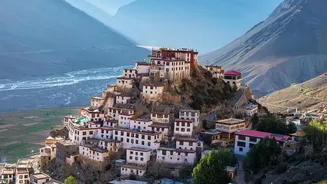
The clear October skies make it the best time for sightseeing. In Kalpa, wake up early to witness the breathtaking sunrise over the Kinner Kailash peaks. Visit the ancient Hu-Bu-Lan-Kar Monastery and the Narayan-Nagini temple. A short drive to Roghi village and the nearby 'Suicide Point' offers dramatic cliffside views. In Sangla Valley, take a walk through Batseri village, visit the historic Kamru Fort, and spend some time by the serene Baspa River. The drive to Chitkul is a highlight in itself, offering stunning vistas of the valley turning autumnal gold. Enjoying a cup of tea while surrounded by the crisp mountain air and golden foliage is an experience you won't forget.