





What the Data Reveals
It might sound too good to be true, but recent studies and consumer behaviour reports point toward a significant shift in household habits. While food waste remains a massive global problem—with households responsible for the largest share—the needle
is finally moving in the right direction. A confluence of factors is driving this change. The global pandemic, for instance, forced millions to cook at home more than ever before. This sudden immersion in meal planning, grocery management, and confronting the contents of one's own refrigerator led to a powerful realisation about the sheer volume of food being discarded. People started paying closer attention to what they bought and what they threw away, fostering new skills and a deeper appreciation for ingredients.
The Economics of the Fridge
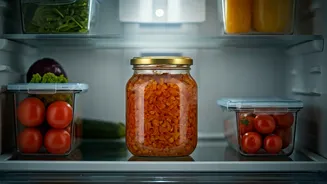
Alongside this newfound awareness, a powerful economic incentive has kicked in. With food prices soaring globally, the financial pain of throwing away unused vegetables or forgotten leftovers is more acute than ever. What was once a minor annoyance is now a noticeable drain on the household budget. A family that wastes 20% of its groceries is essentially burning a fifth of their food bill. This simple, stark reality has turned food waste reduction from a purely ethical concern into a practical, money-saving strategy. Families are now actively seeking ways to stretch their budgets, and minimising waste is one of the most effective methods. This has spurred a return to age-old wisdom: use what you have, buy only what you need, and let nothing go to waste.
The Indian Advantage: Tradition Meets Trend
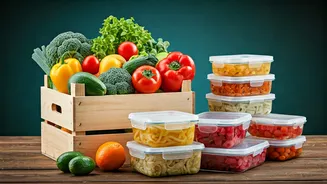
In India, this modern trend finds a natural home within deep-seated cultural values. The principle of 'anna he purna brahma' (food is divine) has long guided households to treat food with reverence. For generations, Indian kitchens have been paragons of resourcefulness. Using every part of the vegetable, transforming leftovers into a delicious new meal, and mastering the art of preservation through pickling and sun-drying are skills embedded in our culinary DNA. Today, we're seeing a conscious revival of these practices. Younger generations are looking to their parents and grandparents for inspiration, blending traditional techniques with modern tools like freezer-safe containers and meal-planning apps. It's a powerful combination of ancient wisdom and new-age consciousness.
Practical Tips for a Zero-Waste Kitchen
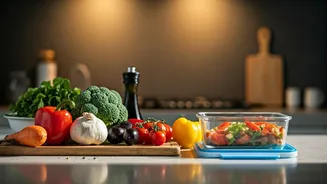
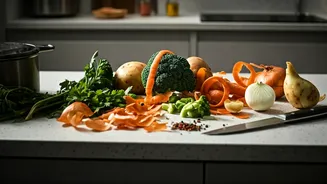
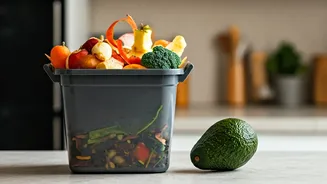
Joining this positive movement doesn't require a complete lifestyle overhaul. Small, consistent changes can make a huge difference. Start with a 'shelfie'—take a picture of your fridge and pantry before you go shopping to avoid buying duplicates. Embrace 'first in, first out' by moving older items to the front. Get creative with leftovers: yesterday's dal can become the base for today's parathas. Learn to love your freezer; it's a pause button for food that's about to go bad. Even stems and peels can be used. Broccoli stems can be sliced for stir-fries, and vegetable peels can be boiled to create a flavourful stock. Finally, practice mindful portioning. It’s always better to take a smaller serving and go back for seconds than to scrape a large portion into the bin.
The Ripple Effect of Your Actions
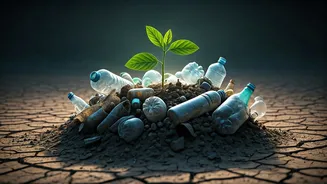
Reducing food waste at home is more than just a personal victory for your budget and conscience. It has a significant collective impact. When we waste food, we also waste all the resources that went into producing it: the water, the land, the labour, and the energy. Food rotting in landfills releases methane, a potent greenhouse gas that contributes to climate change. Therefore, every meal you rescue from the bin is a small but meaningful act of environmental stewardship. By changing our habits, we send a powerful signal to the entire food industry, encouraging more sustainable practices from farm to fork. Your kitchen, in essence, becomes a front line in the fight for a more sustainable future.