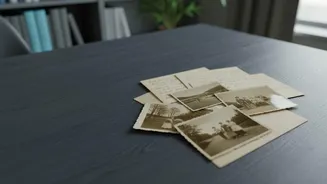







More Than Preservation, It's Connection
The primary benefit of creating a digital archive isn't just protecting old photos and home movies from fading and decay. It's about transforming a static collection into a living, interactive family story. For families spread across different cities
and countries, a shared digital album becomes a virtual gathering place. Grandparents can see childhood photos, children can learn about their heritage, and relatives can collaborate by adding their own pictures and stories, strengthening family bonds in the process. This act of sharing turns individual memories into a collective legacy that everyone can access and contribute to, anytime and anywhere.
Your Toolkit for Going Digital
Getting started with digitization is easier than you might think. You don't necessarily need expensive equipment. For prints, free mobile apps like Google PhotoScan or Adobe Scan use your phone's camera to create clear digital copies, often automatically cropping and correcting the image. For higher quality, a flatbed scanner is a great investment, allowing you to scan at resolutions like 600 dpi, which is ideal for future printing or editing. If you have a large collection of photos, negatives, or old VHS tapes, you might consider a professional digitization service, which can handle various formats for a fee.
Choosing the Right Digital Home
Once your memories are digitized, they need a safe and accessible place to live. Cloud storage is the most practical solution. Services like Google Photos, Apple's iCloud, and Dropbox are popular choices. For Indian users, several platforms now offer local data storage and pricing in rupees, such as DigiBoxx and JioCloud. If you're an Amazon Prime member, Amazon Photos offers unlimited photo storage. When choosing, consider not just storage space but also ease of use for family sharing. Look for features that allow you to create shared albums and invite members easily, even those who aren't tech-savvy.
The Crucial Step: Organization
A folder full of randomly named image files is almost as unhelpful as a box of loose photos. Taking time to organize is essential for a useful archive. A simple and effective method is to create folders by year, then subfolders for specific months or events like 'Diwali 2005' or 'Summer Vacation 1998'. As you scan, rename files with descriptive names. Most importantly, add context. Use the 'details' or 'info' panel in your photo app to add names of people, the location, and a short story about the memory. This metadata turns a picture into a story that future generations can understand and cherish.
Share, Collaborate, and Build Your Legacy
The final step is to bring your family into the archive. Share the main folder or specific albums with relatives and encourage them to not only view the memories but also contribute. Many platforms allow multiple people to upload to a single shared album. Encourage them to add their own photos from their collections, identify people you couldn't, and add their own comments and stories. This collaborative effort transforms the project from a solo task into a meaningful family activity. It ensures the archive is a more complete and diverse reflection of your shared history, building a legacy that grows over time.