



The Science of the Soggy Soil
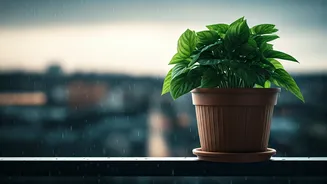
When the air is thick with moisture, the entire water cycle of a plant slows down. High humidity means water evaporates much more slowly from the soil surface and from the plant's leaves through transpiration. Normally, this evaporation helps dry out
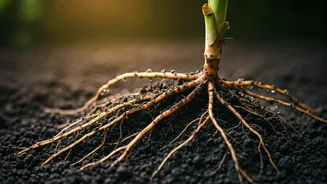
the soil, creating air pockets that allow roots to breathe. But in humid conditions, the soil stays saturated for much longer. This waterlogged environment effectively drowns the roots, cutting off their oxygen supply. This lack of oxygen is the first step towards a common and often fatal plant disease: root rot.
Recognising the Danger Signs
Overwatering symptoms can be confusing because they often mimic the signs of an underwatered plant. A key indicator is wilting leaves on a plant with moist soil. Unlike the crispy feel of a dry plant's leaves, an overwatered plant's leaves will feel soft and limp. Other signs include yellowing leaves, particularly older ones at the base of the plant, and stunted growth. You might also notice leaves falling off at an accelerated rate or see a mouldy film on the soil's surface. In advanced cases, the base of the stem may feel mushy, and the soil might have a foul, rotten smell, which are classic signs of root rot.
The Finger Test: Your Best Defence
The single most important rule during humid weather is to check before you water. Forget watering on a fixed schedule. The most reliable tool you have is your own finger. Push your finger about one to two inches into the soil. If it feels moist, wait another day or two before checking again. Only water when this top layer of soil feels dry to the touch. For larger pots, you may need to check a little deeper. Lifting the pot can also give you a clue; a pot that feels surprisingly heavy is likely still saturated with water. This simple habit is the best way to prevent the cycle of overwatering.
Smarter Watering and Drainage Strategies
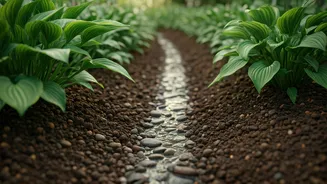
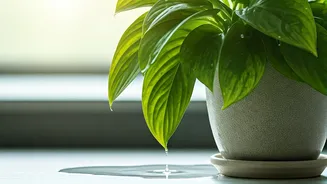
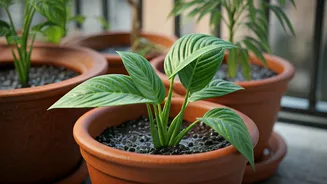
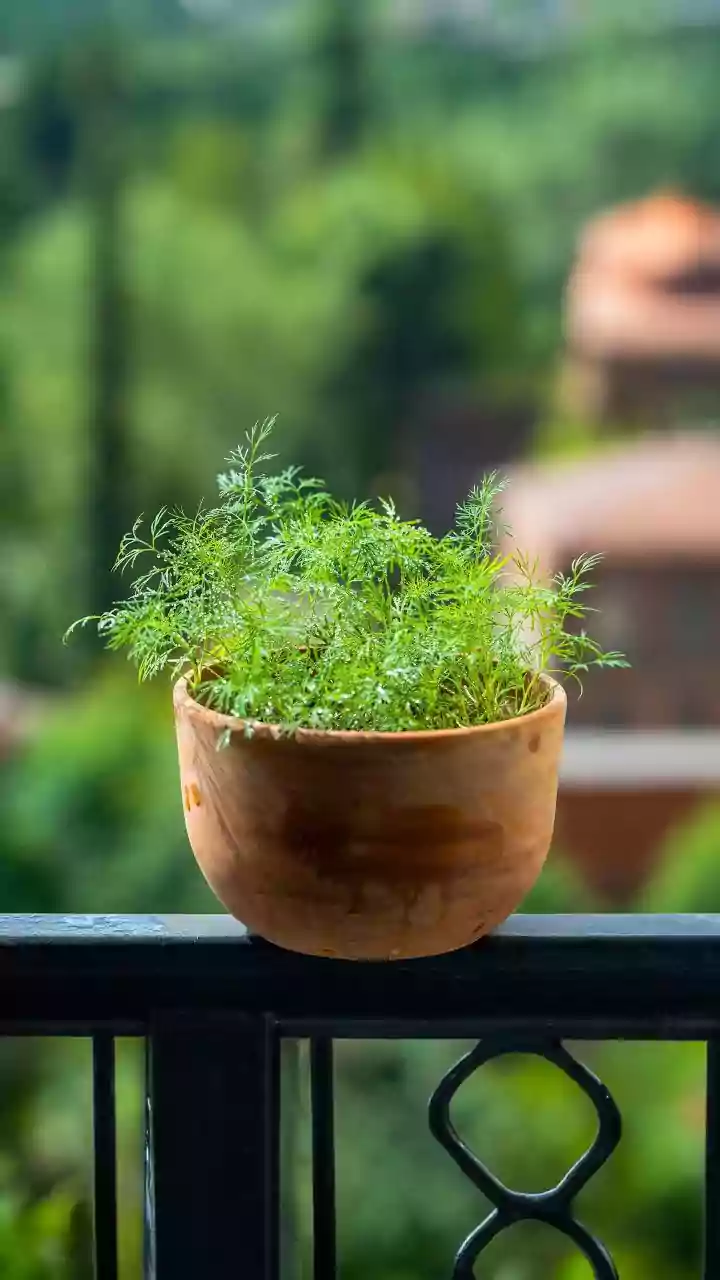
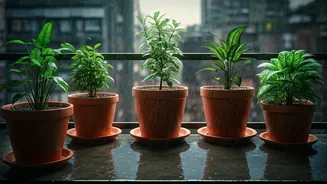
When you do water, do it correctly. Water in the morning, which allows any excess moisture on the leaves to evaporate during the day, reducing the risk of fungal diseases. Aim the water directly at the soil around the base of the plant, avoiding the foliage. Water thoroughly until you see it run out of the drainage holes, then empty any excess from the saucer. Never let a plant sit in a saucer full of water. The most crucial element for potted plants, especially during monsoon, is excellent drainage. Ensure every pot has drainage holes. Using a light, airy potting mix can also prevent the soil from becoming compacted and waterlogged. For outdoor plants, ensuring good soil structure and even elevating pots can help excess water run off during heavy rains.
When Root Rot Strikes
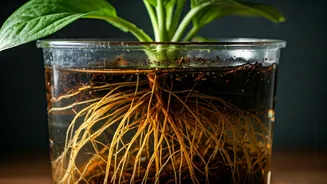
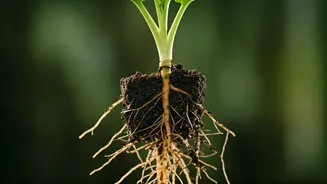
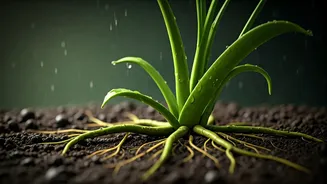
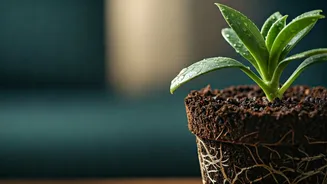
If you suspect root rot, you must act quickly. Gently remove the plant from its pot and inspect the roots. Healthy roots are typically firm and white or light-coloured. Rotting roots will be dark brown or black, mushy, and may fall apart when touched. Using a clean, sharp pair of scissors, prune away all of the affected mushy roots. Discard the old soil, as it can contain harmful fungi, and wash the pot thoroughly. Repot the plant in fresh, well-draining soil. After this, be very careful with your watering, allowing the soil to dry out more between sessions to give the remaining roots a chance to recover.