

Embrace the Art of Slow Travel
Instead of a frantic race to tick off landmarks, slow travel encourages you to stay in one place longer and truly immerse yourself. This isn't about doing less; it's about experiencing more. Think of renting a villa in Goa for a month, exploring the tea estates
of Munnar at your own pace, or getting to know the quiet rhythm of life in a Himalayan village like Dharamshala. The philosophy, which grew from the 'Slow Food' movement, prioritises connection with local culture, reducing your carbon footprint, and returning from a trip feeling rested, not exhausted. In India, this trend is reshaping tourism, with travellers valuing mindful living and authentic connection over a packed itinerary. It allows you to shop at local markets, find a favourite neighbourhood café, and build genuine memories.
Book a Stay with a Story
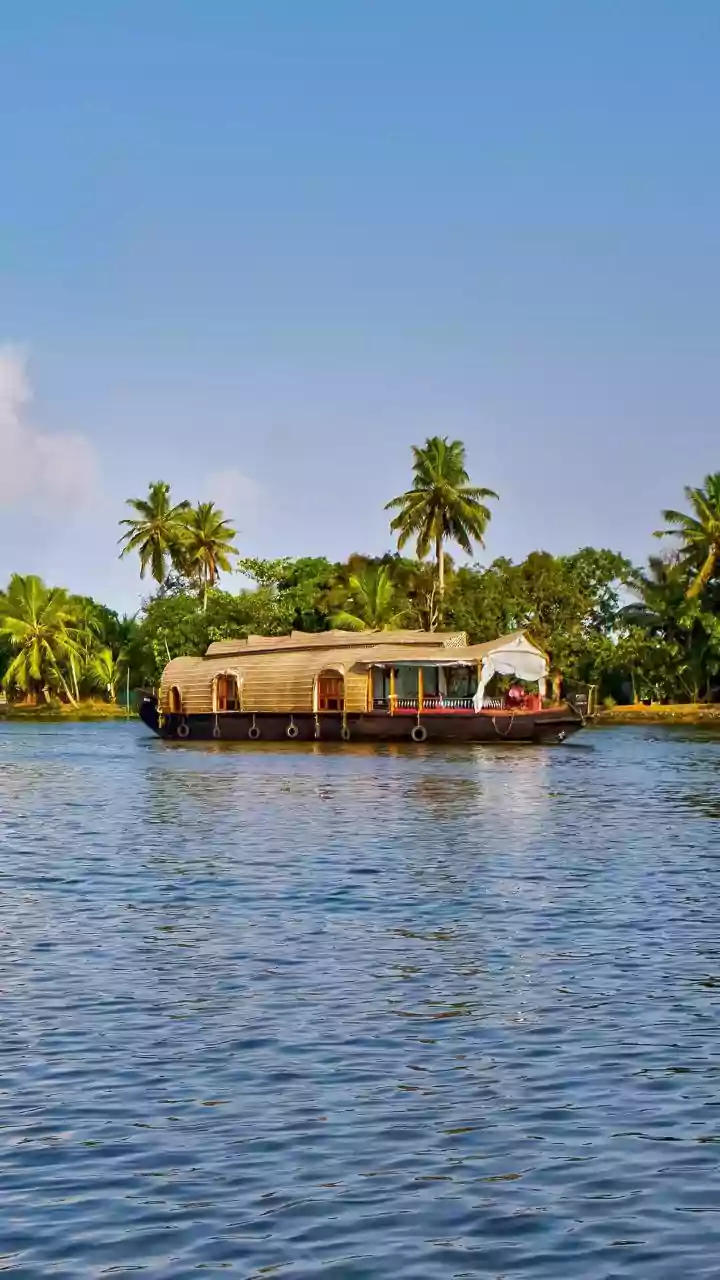
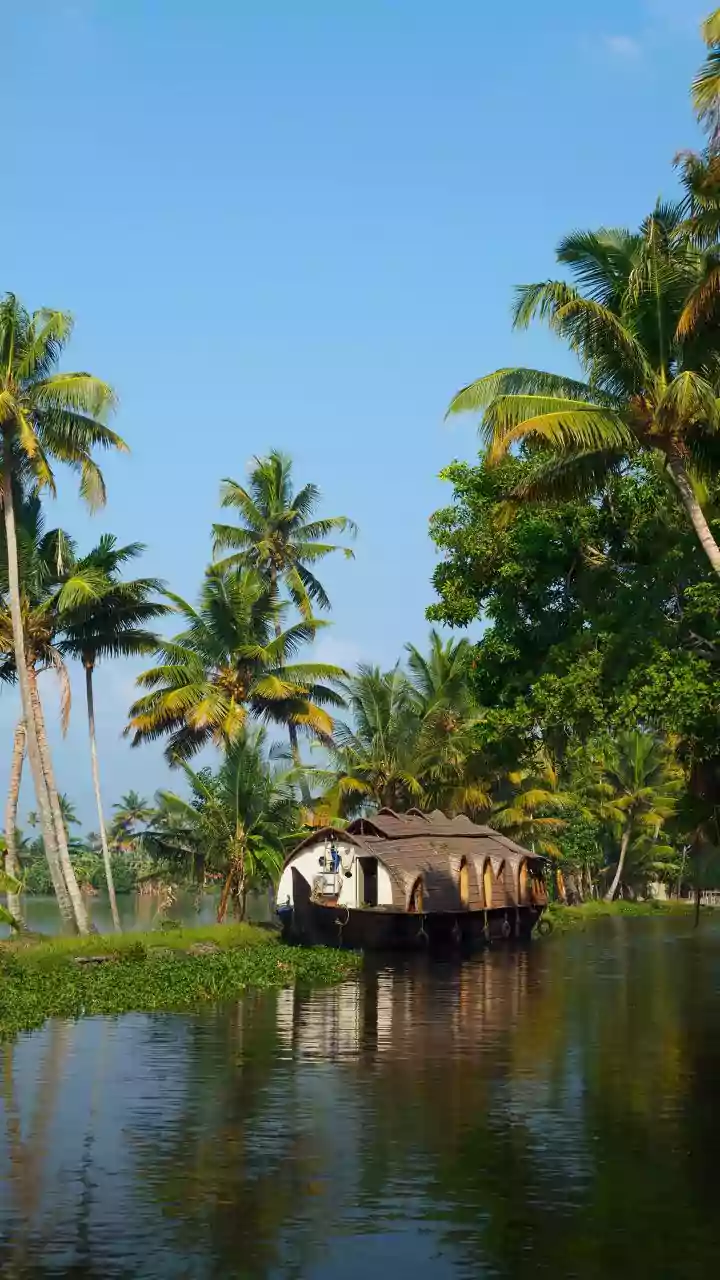
In 2027, where you stay is becoming as important as the destination itself. Travellers are increasingly seeking out quirky and unique accommodations that offer an experience in their own right. Forget standard hotel rooms and consider a treehouse resort in Jaipur, a luxury tent overlooking a lake in Rajasthan, or a traditional houseboat on Dal Lake in Kashmir. In Kerala, you can find resorts built from reclaimed materials in the Wayanad hills or properties that offer stunning views of the Athirappilly waterfalls. These unconventional stays provide a deeper sense of place, whether it's an eco-lodge that brings you closer to nature or a floating homestay in Manipur that literally shifts its location as you sleep.
Take a Journey into Your Past
One of the most powerful travel trends is the rise of ancestry tourism, or 'roots travel'. This involves travelling to the village or region where your family originates to connect with your heritage. For the vast Indian diaspora and for those within the country curious about their lineage, these journeys offer a profound sense of connection. Specialised tour operators can help trace family histories and locate ancestral homes, making the experience seamless. It's a deeply personal form of travel that moves beyond sightseeing to answer the question of 'where did I come from?', turning a holiday into a chapter of self-discovery.
Master a New Skill on a 'Skillcation'
Why not return from your holiday with more than just a tan? 'Skillcations' are trips designed around learning something new. This trend combines leisure with personal growth, offering a more purposeful way to travel. Instead of a passive holiday, you actively engage with the local culture through hands-on practice. Popular options in India include taking a course in regional cuisine in Rajasthan, getting a yoga certification in Rishikesh, learning pottery in Andretta, or even mastering a traditional art form. These trips are rewarding, memorable, and leave you with a tangible skill you can take home, turning your vacation into a lasting investment in yourself.
Redefine the 'Work-from-Anywhere' Trip
Remote work has permanently merged with travel, creating the 'workation' or 'bleisure' trip. In 2027, this trend is more structured, with travellers choosing a single location for several weeks to balance productivity and exploration. This slower approach allows you to establish a routine, ensuring work gets done without sacrificing the chance to live like a local. Hill stations with reliable Wi-Fi or quiet coastal towns are becoming popular long-stay bases. The key is blending work and leisure seamlessly, perhaps by adding personal days onto a business trip or settling into a new city for a month. It's a lifestyle that offers flexibility, cultural immersion, and a welcome escape from the home office.
Go on a Regenerative Journey
Moving beyond mere sustainability, regenerative travel focuses on leaving a place better than you found it. This conscious approach to tourism is about making a positive impact on the local environment, culture, and economy. This could involve participating in a conservation project at a national park, volunteering on an organic farm, or staying at an eco-resort that actively contributes to community development. For instance, some resorts in the Western Ghats offer guests tribal tours and nature-based activities that support local heritage and ecosystems. These trips provide a deeper sense of purpose, connecting you to a destination while ensuring your visit contributes to its preservation and prosperity for years to come.