



The Grandeur of a Bygone Era
The Chettinad region, covering dozens of villages in Sivaganga and Pudukottai districts, is home to thousands of ancestral mansions built by the Nattukottai Chettiars, a prosperous community of traders and bankers, primarily between the 19th and early
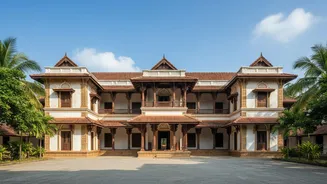
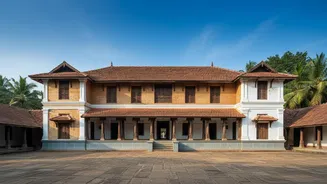
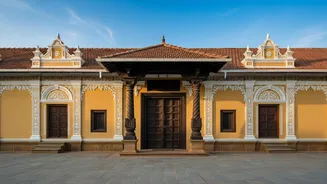
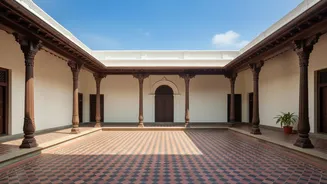
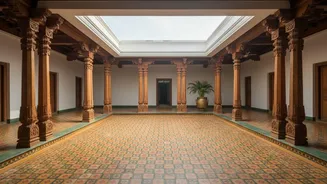
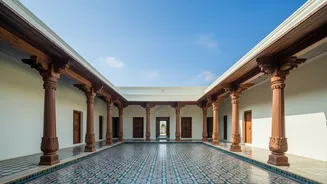
20th centuries. These are not mere houses; they are sprawling palaces with vast courtyards, intricate woodwork, and rooms numbered in the dozens. However, with families migrating to cities and abroad over generations, the immense cost and logistical challenge of maintaining these properties have become overwhelming. Many of these grand homes have fallen into disuse, their ornate facades slowly succumbing to the ravages of time.
Architecture That Tells a Global Story
What makes Chettinad architecture so captivating is its unique fusion of local traditions and global materials. The Chettiars' trading networks spanned across Southeast Asia and Europe, and their homes became a canvas for their wealth and cosmopolitan tastes. A typical mansion features a series of open-air courtyards designed to promote ventilation in the hot, semi-arid climate. These structures were built to last, using materials sourced from across the globe: hardy Burmese teak for pillars and doors, Italian marble for flooring, intricate tiles from Japan, and sparkling chandeliers from Belgium and France. The walls are often coated with a special plaster made from lime and egg whites, giving them a durable, glossy finish that keeps the interiors cool.
A Sustainable Model for Preservation
The challenge of preservation has found a powerful solution in adaptive reuse, specifically through heritage homestays. Realising they could not maintain the properties alone, some families have begun converting portions of their ancestral homes into boutique hotels and homestays. This innovative approach creates a self-sustaining economic engine. The income generated from tourists directly funds the immense upkeep, from repairing leaky roofs to painstakingly restoring intricate carvings. This model allows the mansions to be maintained without placing an impossible financial burden on the families. For tourists, it offers an unparalleled opportunity to step back in time and experience the grandeur of Chettiar life firsthand.
More Than Just a Place to Stay
The sustainability of these ventures goes beyond just economics. These homestays are becoming vital hubs for cultural preservation. They create local employment, offering jobs to caretakers, cooks, and guides who often have deep, generational ties to the region. This ensures that the unique cultural fabric of Chettinad is not lost. Visitors are treated to authentic Chettinad cuisine, famous for its complex flavours and local ingredients. They learn about the history of the Chettiars, the significance of the architecture, and the local customs. This immersive experience fosters a deeper appreciation for heritage, turning tourists into patrons of preservation.
The Road Ahead
Despite the success stories, the path to preserving Chettinad's legacy is not without its hurdles. Out of an estimated 11,000 surviving mansions, only a small fraction have been converted for tourism. The cost of authentic restoration is high, and finding skilled artisans who still practice traditional building techniques can be difficult. There is also the constant balancing act of providing modern comforts for guests without compromising the architectural integrity of the historic structures. The risk of over-commercialisation looms, but for now, the homestay model offers the most promising blueprint for the future.