








Moving Beyond One-Size-Fits-All
For generations, the standard prescription for fatigue was simple: sleep more. But as many of us have discovered, logging eight hours doesn't automatically equal feeling refreshed. The realisation is dawning that sleep quality trumps mere quantity. This
has sparked a quiet revolution in our bedrooms. Instead of passively following generic advice, a growing number of people are actively curating their pre-sleep environment and rituals. They are becoming architects of their own rest, moving away from a one-size-fits-all model to something that is deeply individualised. This isn't about just going to bed; it's about executing a carefully planned 'wind-down' strategy designed for optimal recovery.
The Rise of the 'Sleep Stack'
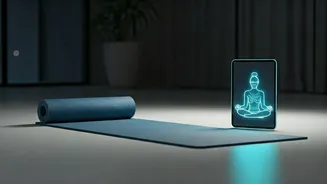
This new intentionality has given rise to the 'sleep stack'—a personalised combination of tools, techniques, and habits. Your friend’s stack might involve a weighted blanket, a specific magnesium supplement, and a podcast. Yours might be a cup of chamomile tea, 15 minutes of journaling, and a smart bulb that slowly dims to mimic a sunset. The components are diverse: from high-tech wearables that track sleep cycles to low-tech solutions like blackout curtains and specific essential oil diffusions. People are experimenting to find their unique formula, mixing ancient practices like meditation with modern technology like temperature-regulating mattresses. It’s a proactive, bio-individual approach that acknowledges we all have different stressors, body clocks, and sensitivities.
Why This, and Why Now?
Several forces are driving this trend. Firstly, there's the pervasive 'hustle culture' in urban India, which has led to widespread burnout. People are desperately seeking ways to reclaim their well-being, and quality sleep is the foundation. Secondly, the wellness movement has taught us to be more mindful about what we put into our bodies, and that same consciousness is now being applied to rest. Thirdly, the data-driven 'quantified self' trend plays a huge role. Fitness trackers and sleep apps provide us with personalised data about our sleep patterns, empowering us to make informed changes. We can now see a direct correlation between having a glass of wine late at night and a spike in our resting heart rate, giving us tangible reasons to adjust our habits.
How to Build Your Own Ritual
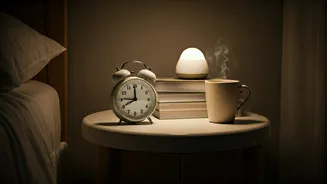
Creating your own intentional sleep routine doesn't have to be expensive or complicated. The goal is to send clear signals to your brain that it's time to wind down. Start by focusing on the fundamentals. Consider your environment: is your room cool, dark, and quiet? An hour before bed, dim the lights and put away screens that emit blue light. This helps your brain produce melatonin, the sleep hormone. Introduce a simple, calming activity. This could be gentle stretching, reading a physical book (not on a tablet), listening to calming music, or practising deep breathing exercises. The key is consistency. By repeating the same sequence of actions every night, you create a powerful psychological trigger for sleep.
A Word of Caution
While taking control of your sleep is empowering, it can have a downside. The pursuit of the 'perfect' night's sleep can sometimes lead to 'orthosomnia'—an unhealthy obsession with sleep data and optimisation that can, ironically, cause anxiety and worsen sleep. It’s important to remember that the goal is to feel better, not to achieve a perfect score on a sleep app. An occasional bad night is a normal part of life and not a personal failure. The aim should be to build a supportive, relaxing routine, not a rigid, stressful one. Listen to your body first and the data second.