



The Old ‘Pan-Indian’ Playbook
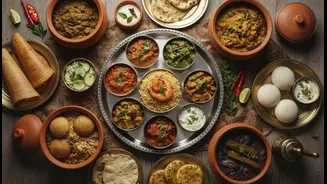
For many years, the term 'Pan-Indian cuisine' referred to a standardized, representative collection of popular dishes from across the country. Think of the menus you’ve seen time and again: butter chicken, palak paneer, a generic biryani, and a selection
of familiar kebabs. This approach served a purpose, offering a safe and accessible entry point to a complex culinary nation, especially for diners unfamiliar with its vast diversity. It was a 'greatest hits' album, designed for broad appeal by sanding down the sharp, specific edges of regional cooking. The result was a reliable, comforting, but ultimately homogenized experience that treated India’s varied food cultures as a single entity.
A New Wave: The Hyperlocal Shift
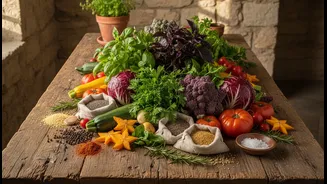
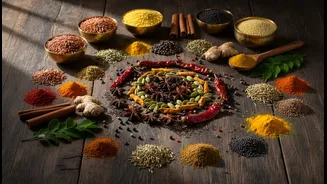
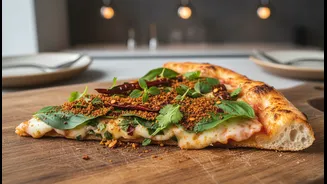
Today, that one-size-fits-all model is giving way to a more nuanced and exciting movement. Chefs across India are championing a new philosophy: hyper-locality. Instead of offering a dish from every corner of the map, they are diving deep into the culinary traditions of a single place, sometimes as specific as a single district or community. This movement focuses on resurrecting forgotten recipes, celebrating indigenous ingredients, and applying modern techniques to traditional flavours. The 'pan-indian' aspect no longer comes from a blended menu, but from a shared ethos of celebrating authenticity and telling the story of a specific place through its food. Diners are no longer just eating 'Indian food'; they are tasting the terroir of the Himalayas or the specific spice blend of a coastal village.
Chefs Championing Micro-Cuisines
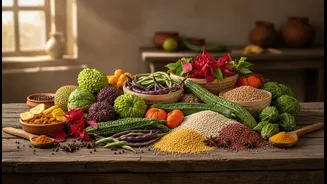
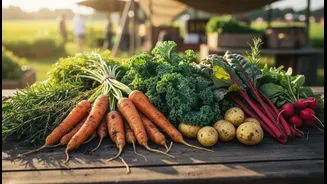
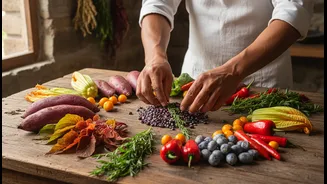
This trend is being driven by pioneering chefs and restaurants. At Naar in Himachal Pradesh, Chef Prateek Sadhu crafts an elevated dining experience using ingredients foraged from the surrounding Himalayan landscape. In Mumbai, restaurants like Ekaa and The Bombay Canteen are digging into India’s rich biodiversity, showcasing everything from Naga pepper to black carrots in innovative ways. The focus on 'micro-cuisines'—culinary traditions from specific sub-regions or communities—has become a hallmark of modern Indian dining. For example, a restaurant might build a menu around the royal cuisine of the Marathas or the home-style cooking of the Kayasth community. These chefs are acting as culinary archivists, preserving and revitalizing flavours that were once confined to family kitchens.
More Than Just Food on a Plate
This shift is about more than just taste; it’s a reflection of a new cultural confidence. Diners have become more curious and knowledgeable, eager to explore beyond the familiar. They want to know the story behind their food—where the ingredients come from and the history of the recipe. This movement also aligns with global trends toward sustainability. By sourcing ingredients locally, chefs reduce their carbon footprint, support small-scale farmers, and ensure the freshness and quality of their produce. In this new context, a dish is not just a meal but an expression of identity, heritage, and environmental consciousness.
Redefining the National Menu
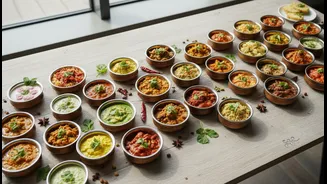
So what does 'Pan-Indian' mean in 2026? It's no longer a single, unified menu. Instead, it is a philosophy that can be applied anywhere in the country. A chef in Goa can create a deeply Goan experience, while another in Kolkata can focus on the nuances of Bengali cuisine, and both can be part of this modern pan-Indian movement. The unity comes from the shared commitment to authenticity, storytelling, and celebrating the incredible diversity within India's borders. The future of Pan-Indian dining is not a melting pot, but a vibrant, ever-expanding mosaic of distinct, brilliant flavours.