






What is Space Medicine?
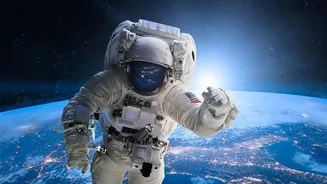
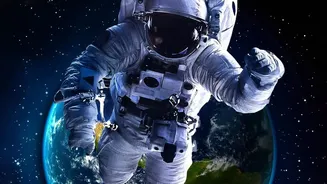
Space medicine is a specialized branch of occupational medicine that deals with the health, safety, and performance of astronauts. It is a multidisciplinary field that studies how the human body reacts to the extreme environment of space—microgravity,
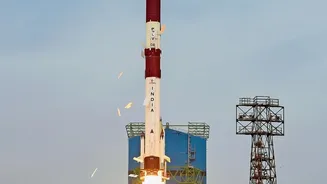
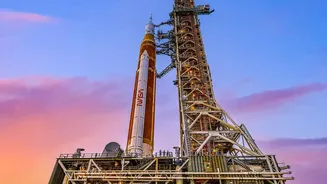
radiation, isolation, and confinement. Its primary goal is to develop countermeasures and medical support systems to keep crew members healthy during and after their missions. For India's Gaganyaan programme, which aims to send three astronauts into an orbit of 400 km for a three-day mission, this field is not just important; it's fundamental to mission success.
The Unique Challenges of the Human Body in Space
The human body, perfected for life on Earth, faces immense stress in space. Without the constant pull of gravity, astronauts experience a range of physiological changes. Muscles atrophy, and bone density decreases at an accelerated rate. Fluids in the body shift upwards, leading to facial puffiness and cardiovascular changes. The immune system can weaken, and exposure to space radiation increases long-term health risks. Furthermore, the psychological strain of living in a confined space far from home can impact behavioural health and crew performance. Space medicine experts are tasked with understanding these challenges and finding ways to mitigate them.
India Ramps Up its Medical Expertise
To tackle these challenges for the Gaganyaan mission, the Indian Space Research Organisation (ISRO) has been forging critical partnerships with top medical institutions. The Bengaluru-based Institute of Aerospace Medicine (IAM), a premier institution of the Indian Air Force, has long been the nodal centre for aeromedical research and training. IAM is responsible for the crucial medical selection, training, and health monitoring of the astronaut candidates. More recently, ISRO has signed formal agreements with the All India Institute of Medical Sciences (AIIMS) in New Delhi and the Sree Chitra Tirunal Institute for Medical Sciences & Technology (SCTIMST) in Thiruvananthapuram. These collaborations will bolster research in areas like biomedical support systems, radiation biology, and the development of medical kits for the mission.
Preparing for Every Possibility
The collaborative effort focuses on a wide spectrum of research areas essential for human spaceflight. This includes studying human physiology and behavioural health, genomics, nutrition, and countermeasures for musculoskeletal issues. Scientists and doctors are working to develop clinical protocols and specialized medical devices for use during the mission. This preparation involves not just planning for known issues but also developing robust crew medical kits and telemedicine protocols to manage potential medical emergencies in orbit, hundreds of kilometres above Earth. The goal is to create a comprehensive healthcare system for the astronauts, from pre-flight training to post-flight rehabilitation.
Benefits Beyond the Mission
The advancements driven by the needs of space medicine often have significant benefits back on Earth. Research into preventing bone loss in astronauts can provide new insights into treating osteoporosis. The development of compact, low-power medical monitoring devices for space can lead to better portable diagnostics for remote and rural healthcare. Telemedicine, a necessity for communicating with astronauts, is already revolutionizing healthcare delivery in underserved areas. Technologies developed for the Gaganyaan mission, from life support systems to biomedical sensors, have the potential to be adapted for public use, demonstrating that investing in space is also an investment in our collective health and technological future.