








The Engine of E-Commerce
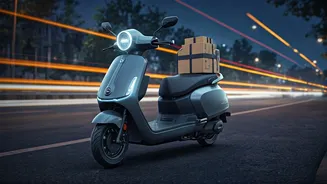
Last-mile jobs are the final, crucial step in the supply chain, involving the delivery of goods from a local hub to the customer's doorstep. [15] Fueled by India's booming e-commerce and quick-commerce sectors, this workforce has become an indispensable
part of the urban economy. [13, 20] These jobs, primarily undertaken on two- and three-wheelers, are the backbone of a market expected to handle 17 billion shipments annually in the coming years. [17] However, this growth has come with increased traffic congestion, noise, and carbon emissions from conventional petrol vehicles, setting the stage for a large-scale disruption. [21]
The Inevitable Push to Electric
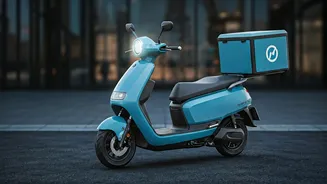
The transition to electric vehicles (EVs) in the last-mile sector is not just an environmental choice but a strong business decision. The most significant driver is the dramatic reduction in operating costs. An electric scooter's running cost can be as low as ₹0.20–₹0.30 per kilometer, compared to ₹2.00–₹2.50 per kilometer for a petrol equivalent, representing a saving of up to 90%. [4, 10] For a rider, this can translate into monthly fuel savings of thousands of rupees. [20] Additionally, EVs have fewer moving parts, leading to lower maintenance expenses. [5, 16] This economic advantage is amplified by government policies, including the PM E-DRIVE initiative, GST reductions, and various state-level subsidies that aim to lower the high upfront cost of EVs. [8, 12] For companies, electrifying fleets helps meet sustainability goals and can even become a competitive advantage in cities with strict emission regulations. [17, 21]
A New Reality for Riders
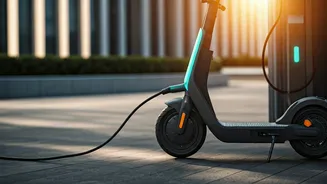
For the gig workers themselves, the switch to EVs presents a mix of significant opportunities and new challenges. The primary benefit is the potential for higher net earnings due to massive fuel and maintenance savings. [14, 20] A recent survey showed that over 50% of delivery riders using EVs reported saving more than 30% on petrol expenses monthly. [3] However, the initial purchase price of an EV remains a major hurdle for many. [16] Beyond cost, new anxieties have emerged. A primary concern is the difficulty in finding charging spots, followed by 'range anxiety'—the fear of a battery running out mid-shift. [3, 16] While battery-swapping networks are helping to solve this by reducing downtime, the public charging infrastructure is still unevenly distributed, especially outside major metro areas. [21, 23]
The Road Ahead: Infrastructure and a Just Transition
For the EV revolution to truly reshape last-mile jobs for the better, systemic challenges must be addressed. India's charging infrastructure, while growing, is still inadequate to meet the projected demand and suffers from a lack of standardization in charging connectors. [22, 24] The high cost of installing fast-charging stations and the strain on local power grids are significant obstacles that require both public and private investment to overcome. [24] Furthermore, the transition demands a new skill set from workers, moving beyond just driving to understanding battery management and basic EV systems. [15] Ensuring a 'just transition' will be critical. This involves creating financial models that help riders afford EVs, rapidly expanding a reliable and accessible charging network, and investing in training programs. Without these supports, the benefits of electric mobility could remain out of reach for the very workers who power the last-mile economy.