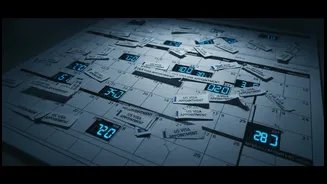








The Two Timelines: Official Wait vs. The Real Wait
When the US Department of State publishes visa wait times, it’s referring to the estimated period from when you pay the visa fee to the date of your interview. As of mid-2026, for a first-time B1/B2 visitor visa, this can range from around four months
in Kolkata to a staggering 9.5 months in Mumbai and Hyderabad. While these figures have improved from the post-pandemic peaks of over 800 days, they represent only one part of the journey. The “real wait” for many applicants includes the gruelling, unpredictable, and often frustrating process of actually securing one of those appointment slots. The official portal where appointments are booked is a battleground of its own, with available dates disappearing in minutes, creating a significant gap between the published timeline and the lived experience.
A System Under Unprecedented Strain
The root of the problem is a simple case of overwhelming demand meeting limited supply. The US Mission to India has been processing a record number of visas—issuing roughly one million in fiscal year 2024—but the demand from Indian students, tourists, families, and professionals continues to surge. This creates a huge backlog. The online scheduling system itself adds another layer of complexity. Applicants report technical glitches, the portal crashing, or being temporarily blocked for refreshing too often while hunting for a rare open slot. The system releases appointments in batches, which are snapped up almost instantly, leading to a constant, high-stakes race where timing and luck play a critical role.
The 'Bigger Story': A Shadow Ecosystem
This scarcity has given rise to a murky and unregulated ecosystem. Unofficial agents and third-party services claim to offer an edge in securing appointments, often for a steep fee. While some may simply provide a monitoring service, others are suspected of using bots to scoop up slots the moment they become available, making it even harder for genuine individual applicants. This has led to a situation where applicants feel pressured to engage with these services, adding to the cost and anxiety of the process. The US Embassy has warned applicants to rely only on official sources for information and appointments. This shadow market highlights the desperation felt by those trying to navigate the system, turning the already stressful visa process into a high-stakes gamble.
What Officials Are Doing and What Applicants Can Do
The US Mission in India is aware of the immense pressure and has taken steps to increase capacity. These measures include hiring more consular officers, holding special interview days on weekends, and expanding the interview waiver (dropbox) program for renewals. Officials have consistently affirmed their commitment to processing visas while advising applicants to check official websites for the most accurate wait times. For applicants, the best strategy is to plan far in advance—several months to a year ahead of intended travel is the new norm. It's also crucial to have all your documents, like the DS-160 form, ready to go so you can book instantly when a slot appears. Regularly but cautiously checking the portal for cancellations or new batches of appointments can sometimes yield an earlier date, but experts warn against excessive refreshing, which can lead to a temporary account ban.