
A Classic Reimagined for Modern Homes
First, let's clear up the terms. While often used interchangeably, a pantry is traditionally a small room or large closet for food, whereas a larder was historically a cool space for perishable goods. Today, the 'modern larder' typically refers to a tall,
standalone cupboard designed for storing all your dry goods in one consolidated, organised place. These freestanding units are not part of the fitted cabinetry, giving them a distinct, furniture-like quality. This distinction is key to their current appeal; they add character and can move with you, unlike built-in solutions.
Why Larders Are Making a Comeback
The return of the larder is about more than just nostalgia. It speaks to a broader shift in home design towards functionality, charm, and a desire for clutter-free spaces. Designers note that homeowners are increasingly seeking a more 'unfitted' kitchen look, which feels more personal and less sterile than rows of uniform cabinets. A freestanding larder breaks up the monotony, offering a chance to introduce a contrasting colour or a vintage-inspired piece. Furthermore, in an age of open-plan living, these units are brilliant at concealing the visual chaos of everyday groceries, helping to maintain a calm and uncluttered environment.
The Genius of Going Vertical
The single greatest advantage of a larder is its efficient use of vertical space. Most kitchens have unused wall space above the standard counter and cabinet line. A tall larder cabinet draws the eye upward and utilizes the full height of the room, offering immense storage capacity on a relatively small footprint. This is a game-changer, especially for smaller urban homes and apartments where floor space is at a premium. Instead of bending down to rummage through deep, dark base cabinets, a larder presents your ingredients at various, more accessible heights, often with a mix of shelving, drawers, and door racks to keep everything visible.
Organising Your Vertical Pantry
A well-organised larder can transform your daily cooking routine. The key is strategic placement. Store heavy, bulk items like bags of rice, flour, and large oil containers on the bottom shelves. Everyday essentials—dals, spices, tea, and coffee—should be at eye level for easy access. The upper shelves are perfect for less frequently used items or back-stock. Many modern larders incorporate spice racks on the doors, pull-out drawers for snacks, and even a 'cold shelf' (often made of marble or slate) as a nod to its historical roots, perfect for keeping certain items slightly cooler. It becomes a dedicated zone for all your non-perishables, making inventory checks and meal prep significantly faster.
No Larder? No Problem
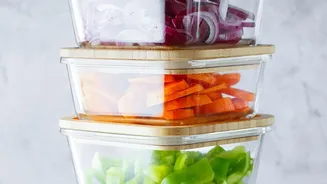
Even if a full-sized freestanding larder isn't feasible for your space or budget, you can still apply its core principle: think vertically. Maximise the vertical space you already have by installing tall, open shelving to store everyday dishes or dry goods in attractive jars. Use stackable containers inside your existing cupboards to use the full height of each shelf. Over-the-door organisers can add valuable storage inside existing pantry closets. The goal is to train your eye to see the storage potential not just across the floor, but all the way up to the ceiling, reducing countertop clutter and making your kitchen work more efficiently for you.