







Jamun (Black Plum)
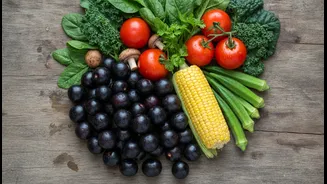
This deep-purple fruit is a quintessential monsoon delicacy for a reason. Jamun, or black plum, is packed with Vitamin C and antioxidants that are crucial for strengthening the immune system, which is often challenged during the rainy season. Its antimicrobial
properties can help fend off common infections. Traditional wisdom and modern studies suggest jamun, which has a low glycemic index, can also aid in managing blood sugar levels. Enjoy them fresh with a sprinkle of black salt to truly savour this short-season jewel.
Bhutta (Corn on the Cob)
The sight of a roadside vendor roasting bhutta over hot coals is a classic monsoon scene in India. More than just comfort food, corn is a nutritional powerhouse. It's a great source of fibre, which aids digestion—a system that can become sluggish during this season. Rich in B vitamins and antioxidants like lutein and zeaxanthin, corn supports overall energy and eye health. Whether roasted with lime and masala or boiled into a warm soup, it’s a healthier alternative to fried snacks.
Gourds (Lauki, Karela, Turai)
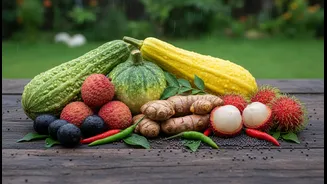
The family of gourds—including bottle gourd (lauki), bitter gourd (karela), and ridge gourd (turai)—are staples in Ayurvedic monsoon diets. These vegetables are light, easy to digest, and have a high water content, which helps with hydration. Bitter gourd is particularly valued for its immune-boosting properties, thanks to its high Vitamin C content. Lauki is known for its cooling properties and aids in digestion. These vegetables are best consumed cooked, in the form of light curries or soups, to avoid the risk of contamination associated with raw foods during this season.
Ginger and Turmeric
These powerful rhizomes are cornerstones of Indian cooking and traditional medicine, especially during the monsoon. Ginger is renowned for its ability to soothe the digestive system and fight inflammation. Its antiviral properties make it a go-to remedy for colds and sore throats. Turmeric is a potent anti-inflammatory and antioxidant powerhouse. A warm glass of turmeric milk (haldi doodh) or a cup of ginger tea can be wonderfully comforting and protective on a rainy day, helping to bolster the body's defences against seasonal illnesses.
Pomegranate (Anar)
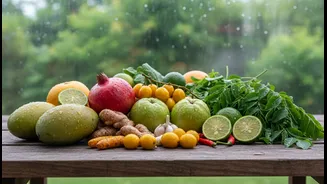
Pomegranate is another excellent fruit to include in your monsoon diet. Its bright red seeds are loaded with antioxidants and Vitamin C, which help strengthen the body's natural defences against infections. According to Ayurveda, it's a seasonal fruit that is beneficial for digestion without being too heavy on the system. Pomegranates are also known to have anti-inflammatory properties and support heart health. You can eat the arils on their own, add them to salads for a juicy crunch, or drink fresh juice to reap their benefits.
Plums, Peaches, and Cherries
Along with jamun, other stone fruits like plums, peaches, and cherries make their appearance during the monsoon months. These fruits are rich in vitamins, fibre, and antioxidants that help build immunity and fight off infections that are common during the rains. Their natural sweetness offers a healthy way to satisfy sugar cravings, steering you away from processed snacks. Being rich in fibre, they also contribute to a healthy digestive system, keeping issues like bloating and indigestion at bay. Enjoy them as a mid-day snack or add them to your morning yoghurt.