





What Exactly is Text-to-Video AI?
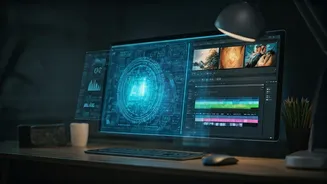
At its core, a text-to-video AI generator is a tool that automatically converts written words into video content. You give it a script, a simple prompt, or even a link to an article, and the AI handles the heavy lifting. It analyzes the text and then
generates or sources relevant visual scenes, adds voiceovers, and can even include background music and subtitles. This process sidesteps the need for complex editing software, expensive cameras, or studio time, making video creation accessible to anyone, regardless of technical skill.
The Old Workflow vs. The AI-Powered Way
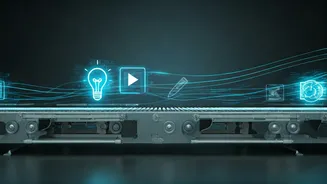
Traditionally, creating a short video involved multiple, time-consuming steps: brainstorming, scriptwriting, shooting footage (or spending hours searching for stock clips), recording voiceovers, and then the painstaking process of editing it all together. This could take days for a single video. The new AI workflow collapses this timeline dramatically. A creator can now use one tool to generate a script, another to create unique images, and a third to animate those images into a video sequence, complete with an AI-generated voiceover and music. What once took a full work week can now be accomplished in an afternoon, freeing creators to focus on strategy and ideas rather than manual labor.
The Top Tools in a Creator's Kit
The AI video space is booming with specialized tools. Platforms like Runway ML and Pika have become favorites for their creative and stylized outputs, perfect for social media. Tools such as Sora and Luma Dream Machine are known for generating highly realistic and cinematic clips from text. For creators who need to produce informational content or tutorials, Synthesia and HeyGen allow them to create videos with realistic AI avatars that present a script. Many creators use a combination of these tools—for instance, using a platform like Kapwing or Canva, which integrates AI generation directly into a more traditional video editor, offering the best of both worlds.
More Than Just Speed: The Creative Boost
The most obvious benefit of text-to-video AI is speed, but its impact on creativity is just as significant. AI tools can serve as a powerful creative partner, helping creators overcome writer's block or visualize a concept quickly. Instead of trying to describe an idea, they can generate a visual example in seconds. This allows for rapid experimentation with different styles, tones, and narratives at virtually no cost. For young creators, this means they can take more creative risks, develop their unique style faster, and produce a higher volume of content to keep up with the demanding pace of social media algorithms.
The Hidden Costs and Ethical Lines
Despite the advantages, this technology isn't without its downsides. The quality of AI-generated video can still be inconsistent, and achieving a specific vision requires skill in prompt engineering. More importantly, the rise of AI-generated content raises serious ethical questions. Issues of copyright are complex, as AI models are trained on vast amounts of existing data that may be protected. There's also the risk of creating 'deepfakes' or spreading misinformation, which could damage public trust. Creators must also be mindful of inherent biases within AI models, which can perpetuate stereotypes if not carefully managed and reviewed by a human eye.