





A Superior Flavour Profile
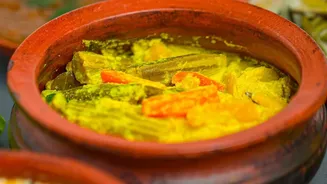
One of the most celebrated reasons for the return of clay pots, or 'mitti ki handi', is the incredible depth of flavour they impart. Unlike metal cookware, which heats up quickly and can have hot spots, clay is porous and distributes heat slowly and evenly.
This gentle, uniform cooking allows food to simmer in its own juices, preserving moisture and tenderising ingredients perfectly. The result is a dish where flavours meld together beautifully, creating a more aromatic and nuanced taste that’s hard to replicate. The subtle, earthy essence of the clay itself adds a unique character to dishes like biryani, dal, and slow-cooked curries.
The Undeniable Health Benefits
Beyond taste, the health advantages are a major driver of this trend. Clay is naturally alkaline, which helps to neutralise the pH balance of acidic foods like tomatoes and tamarind. This can make meals easier to digest and may reduce issues like acidity for some individuals. The slow-cooking process also helps in retaining a higher percentage of the food's natural vitamins and minerals, which can be destroyed by the high, intense heat of metal pans. Furthermore, the natural self-basting environment created by the pot's porosity means less oil is needed for cooking, making meals lower in fat.
An Eco-Conscious and Safe Choice
In an era of growing environmental awareness, clay pots stand out as a sustainable option. They are made from a natural, abundant resource and are completely biodegradable, returning to the earth without a trace. This presents a stark contrast to many modern non-stick pans, which can release chemicals like PFOA and PTFE when overheated and have a limited lifespan, contributing to landfill waste. Pure, unglazed clay pots are free from synthetic coatings and harmful toxins, ensuring that nothing leaches into your food except for trace minerals like calcium, iron, and magnesium from the clay itself.
A Connection to Tradition and Mindfulness
For many, using a clay pot is a way to reconnect with their heritage. It evokes a sense of nostalgia for the flavours of their grandparents' cooking and a time-honoured culinary wisdom. This return to tradition is also a move towards a more mindful way of living. The slow nature of clay pot cooking encourages patience and a deeper engagement with the food preparation process. It’s a deliberate turning away from the fast-paced, convenience-driven culture towards something more intentional and grounding, bringing a sense of ritual and soul back into the kitchen.
Practical Tips for the Modern User
Adopting clay cookware does require a slight shift in habits. New unglazed pots need to be seasoned before their first use, which typically involves soaking them in water for several hours to strengthen the clay and prevent cracking. When it comes to cleaning, it’s best to avoid harsh soaps and detergents, as the porous surface can absorb them. A gentle scrub with warm water, and perhaps some baking soda for stubborn stains, is usually sufficient. It's also important to start cooking on a low flame and increase the heat gradually to avoid thermal shock.