





A Landmark Move for Passenger Parity
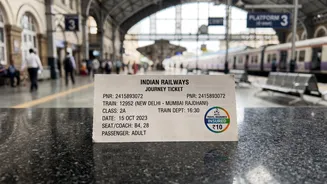
For years, a crucial safety net was available only to those who booked their train tickets online: optional travel insurance at a nominal cost. Passengers who queued up at reservation counters were left out. Following a directive from the Supreme Court
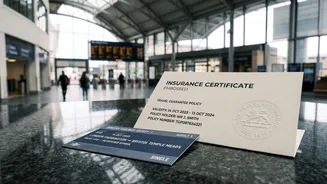
of India, Indian Railways will now extend this insurance coverage to all passengers, regardless of how they purchase their ticket. This landmark decision aims to bridge the gap between online and offline ticketing, ensuring that every passenger has access to financial protection during their journey. The new rule becomes effective from October 27, 2026, and makes the insurance mandatory for all tickets sold over the counter, with the Railway Board held directly responsible for its implementation.
Understanding the Coverage
The insurance scheme provides significant financial support in the event of a train accident or other 'untoward incidents' as defined under the Railways Act. While the final details for counter tickets are being implemented, the coverage is expected to mirror the existing policy for e-tickets. This typically includes a substantial payout for death or permanent total disability, a lesser amount for permanent partial disability, and funds for hospitalization expenses. The coverage is valid for the entire duration of the journey, from the moment a passenger begins boarding the train at their originating station until they have finished disembarking at their destination. The standard coverage amounts under the online scheme are: ₹10 lakh for death, ₹10 lakh for permanent total disability, up to ₹7.5 lakh for permanent partial disability, and up to ₹2 lakh for hospitalization expenses. An additional amount of ₹10,000 is also provided for the transportation of mortal remains.
How Will It Work at the Counter?
The biggest question for passengers is how this will be implemented at crowded ticket counters. While the online system allows a user to simply tick a box, the process for offline tickets is yet to be fully detailed by the railways. The Supreme Court has made it clear that the insurance will be mandatory, not optional, for counter tickets. This suggests the premium may be automatically included in the ticket fare. Currently, the premium for online tickets is a mere 45 paise per passenger. It remains to be seen if the same premium will apply to counter tickets or how the process will be managed without causing delays at the booking window. The goal is to create a seamless system that doesn't place an extra burden on either the passenger or the ticketing staff.
The Importance of Nominee Details
A critical step that passengers must not overlook is providing nominee information. In the online system, after booking a ticket with insurance, the passenger receives a message and email from the insurance company with a link to update nominee details. If these details are not filled out, the legal heirs would have to go through a cumbersome process to file a claim. It is crucial for the railways to establish a clear and simple mechanism for counter-ticket holders to provide these details. This could be through a dedicated website, an SMS-based system, or another accessible method. Without a nominated individual, the process of disbursing the insured amount to the correct family members can be significantly delayed in the aftermath of a tragedy.
What's Next for Passengers?
As the October 27 deadline approaches, passengers should look out for official announcements from Indian Railways regarding the exact procedure. This will include confirmation of the premium amount and, most importantly, instructions on how to register a nominee for the policy. The insurance is typically handled by a panel of companies, and the policy is issued directly by them. This means any claims or correspondence must be directed to the designated insurance company, not IRCTC or Indian Railways. This move brings a uniform safety standard to all railway passengers, acknowledging that the risks of travel are the same for everyone, whether they book on a smartphone or at a station window.