
The Science of a Healthier Crunch
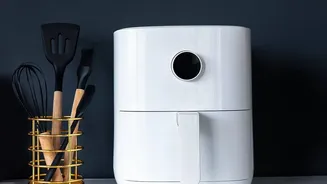
An air fryer works by circulating superheated air at high speed, a technology similar to a convection oven but in a more compact and concentrated space. This process crisps up food with minimal oil, drastically cutting down on fat and calories compared
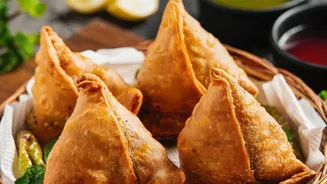
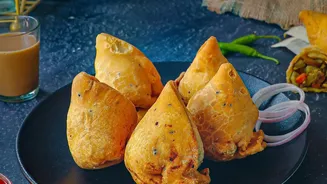
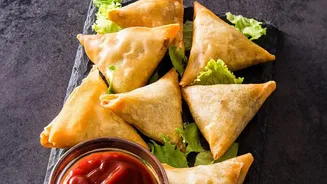
to deep-frying, where food is submerged in and absorbs large amounts of oil. Studies and nutritionists suggest that using an air fryer can reduce the fat in fried foods by up to 80 percent. For a medium-sized samosa, this can mean a drop from over 260 calories to around 150-180 calories. This reduction not only helps with weight management but also contributes to better heart health by lowering the intake of saturated fats. Beyond calories, air frying can also reduce the formation of potentially harmful compounds like acrylamide, which can be created during high-temperature deep-frying.
Golden Rules for Air Frying Snacks
To achieve the best results, a few universal rules apply. First, preheat your air fryer; this ensures cooking starts immediately, leading to a crispier exterior. Second, do not overcrowd the basket. Food needs space for the hot air to circulate properly and cook evenly. Work in batches if necessary. Third, use a little oil. While the goal is to use less, a light brush or spray of oil helps the browning process and delivers a more satisfying, golden crunch, especially for homemade items. Finally, remember to shake the basket or flip the snacks halfway through the cooking time to ensure all sides get crispy.
Perfecting the Air-Fried Samosa
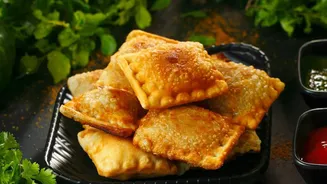
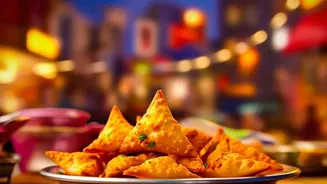
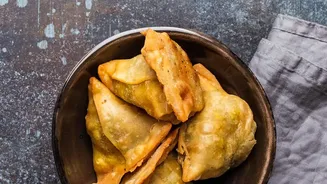
Whether you are using store-bought frozen samosas or fresh homemade ones, the air fryer is your best friend. For frozen samosas, there is no need to thaw. Simply place them in a single layer in a preheated air fryer at around 180°C (350°F). They typically cook in 12-15 minutes; flip them at the halfway mark for even browning. For homemade samosas, brush them lightly with oil before placing them in the basket. They may require a slightly higher temperature, around 190°C (375°F), for about 15-20 minutes, again with a flip in between. The result is a beautifully golden and crisp pastry without the greasiness of its deep-fried counterpart.
Crispy, Light Pakoras Minus the Grease
Pakoras present a unique challenge because the traditional wet batter can drip through the air fryer basket. The key is to make the batter slightly thicker than you would for deep frying. You can do this by using less water or adding a bit more gram flour (besan). Another trick is to use grated vegetables, which release less moisture. Place spoonfuls of the batter onto parchment paper liners designed for air fryers or directly into the greased basket, ensuring they don't touch. Cook at around 180-200°C for 10-15 minutes, flipping them carefully halfway through. They will come out delightfully crispy and light.
From Potato to Perfect Air-Fried Chip
Homemade air-fried chips are a revelation. For the best results, slice your potatoes thinly and uniformly using a mandoline. Soaking the slices in cold water for 15-30 minutes helps remove excess starch, which is a key step for achieving maximum crispiness. After soaking, it is crucial to pat them completely dry. Toss the dry potato slices with a teaspoon of oil and your desired seasonings. Arrange them in a single layer in the air fryer basket. Cook at a lower temperature, around 150°C (300°F), for 10 minutes to cook them through, then increase the heat to 200°C (400°F) for the final 5-10 minutes to crisp them up, shaking the basket a few times.
Managing Expectations: Taste and Texture
It is important to be realistic. An air-fried snack will not taste identical to a deep-fried one. The texture of the crust on a samosa, for instance, will be more of a crisp-baked crunch rather than the bubbly, flaky richness from deep-frying. However, the filling will taste just as delicious, and the overall experience is incredibly satisfying without the heavy, greasy feeling that often follows a plate of deep-fried snacks. Many find this a worthy trade-off, allowing them to enjoy their favourite comfort foods more often and with less guilt.