
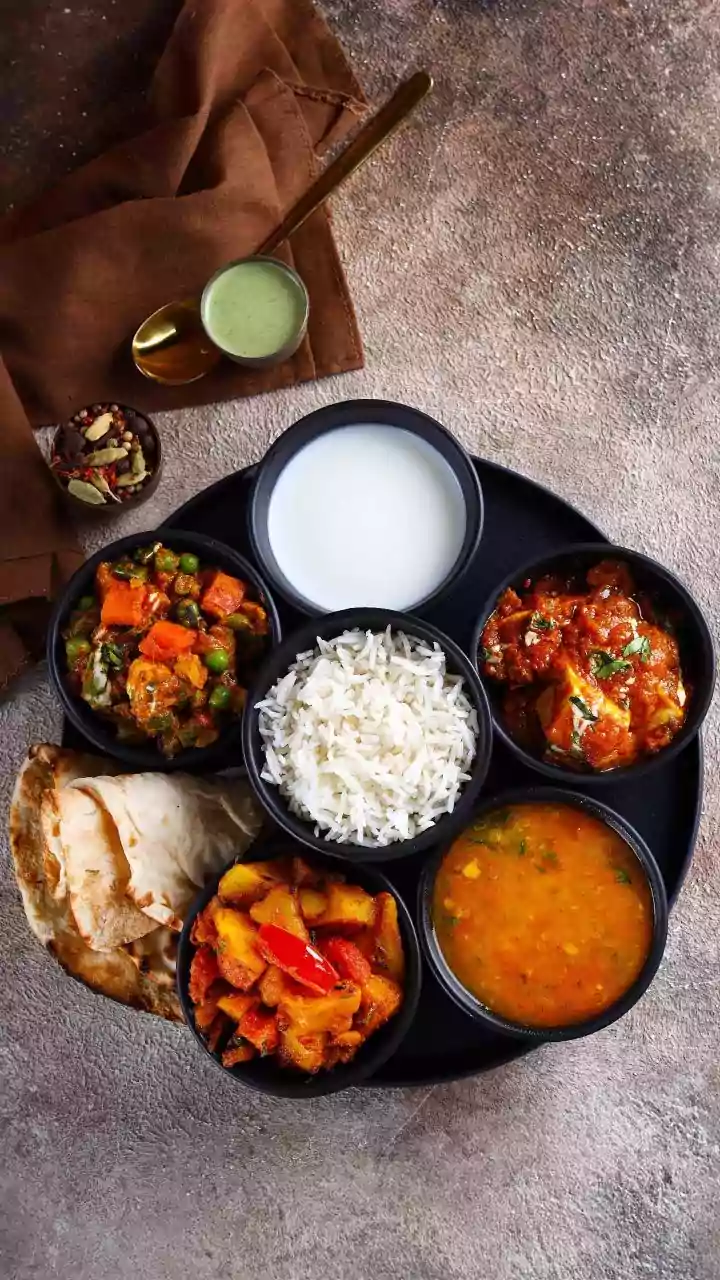

The simple, comforting plate of dal and chawal is more than just a meal—it's a piece of nutritional genius. There is powerful science behind why combining pulses and grains is a cornerstone of Indian vegetarian cooking.
First, What Are Proteins and Amino Acids?
Think of proteins as the body's
primary building material, essential for everything from muscle repair and hormone production to immune function. These complex structures are made from smaller units called amino acids. There are 20 different amino acids that form the proteins in your body. Of these, nine are called 'essential amino acids' because our bodies cannot produce them; we must get them from the food we eat. A food is considered a 'complete protein' when it contains all nine of these essential amino acids in sufficient quantities. While most animal products like meat, eggs, and dairy are complete proteins, the majority of plant-based foods are 'incomplete', meaning they are low in one or more essential amino acids.
The Weak Link: Limiting Amino Acids
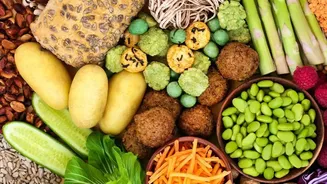
In the world of plant-based nutrition, two essential amino acids are particularly important: lysine and methionine. Most plant staples have a 'limiting amino acid', which is the essential amino acid they contain in the lowest quantity. This is where the magic of food pairing comes in. Cereal grains, such as rice and wheat, are generally low in lysine. Conversely, pulses—which include lentils (dal), chickpeas (chana), and kidney beans (rajma)—are packed with lysine but are typically low in the sulfur-containing amino acid methionine. On their own, each food group has a nutritional gap. But when you look at them together, you'll notice their weaknesses are perfectly offset by each other's strengths.
Protein Complementation: A Perfect Partnership
The principle of combining two or more incomplete proteins to form a complete protein is known as 'protein complementation'. When you eat dal with rice, the lysine from the dal compensates for the lack of it in the rice. Simultaneously, the methionine from the rice fills the gap in the dal's amino acid profile. The result is a meal that provides your body with all nine essential amino acids, making the protein quality comparable to that of an animal source. This nutritional synergy is not an accident; it's the foundation of many traditional diets around the world, from beans and corn in Mexico to rice and lentils in India.
Traditional Indian Meals: Science on a Plate
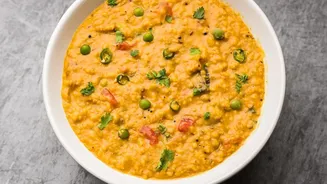
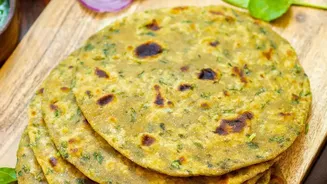
Indian cuisine is a masterclass in protein complementation, showcasing countless examples of this principle in action. These combinations were perfected long before the science of amino acids was understood, proving the intuitive wisdom of traditional food cultures. Some classic pairings include: Dal and Chawal (lentils with rice); Roti and Dal (whole wheat flatbread with lentils); Rajma and Chawal (kidney beans with rice); Idli or Dosa with Sambar (a fermented batter of rice and urad dal, served with a lentil stew); Khichdi (a one-pot dish of rice and moong dal). Each of these beloved dishes is not just comfort food but a nutritionally complete meal.
Do They Need to Be Eaten Together?
In the past, nutritionists believed that complementary proteins had to be eaten in the same meal to be effective. However, modern research has shown this to be unnecessary. Your body maintains a 'pool' of amino acids throughout the day. As long as you consume a variety of protein sources—such as grains, pulses, nuts, and seeds—over the course of a day, your body can pull the necessary amino acids from this pool to build the complete proteins it needs. So, while a plate of dal and rice is a perfect combination, having dal for lunch and roti for dinner will still provide you with the full range of benefits. The key is dietary diversity.