




For generations, white rice has been a comforting staple on Indian plates. Yet, as we grow more health-conscious, many are looking back to our roots and rediscovering the potent nutritional benefits of heritage grains that once dominated our diets.
The Problem with Polishing
The
journey of white rice from the paddy to your plate involves an intensive milling and polishing process. While this gives it a longer shelf life and a softer texture, it also strips away the two most nutritious parts of the grain: the bran and the germ. The bran is rich in dietary fibre, and the germ holds a concentration of essential micronutrients, including B vitamins and minerals. What's left is the starchy endosperm, which is primarily a source of simple carbohydrates, providing quick energy but lacking the wholesome nourishment of the original grain.
Rediscovering Our Ancient Superfoods
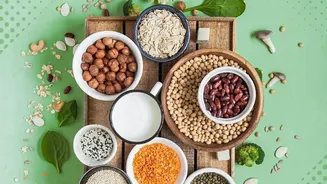
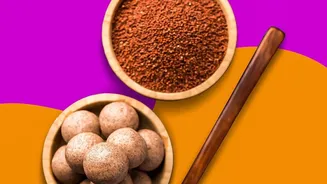
Heritage grains, often referred to as ancient grains, are varieties that have been cultivated for thousands of years and have remained largely unchanged. In India, this category prominently features a variety of millets, which were once dietary staples long before refined grains became widespread. Grains like Ragi (finger millet), Jowar (sorghum), Bajra (pearl millet), and Amaranth (rajgira) are now making a powerful comeback. These crops are not only nutrient-dense but are also more sustainable, often requiring less water and thriving in conditions where rice and wheat cannot.
A Clear Micronutrient Advantage
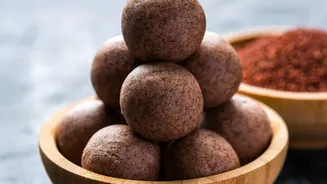
When compared to polished white rice, the nutritional profile of heritage grains is strikingly superior. Millets are packed with essential micronutrients that are scarce in white rice. For example, Ragi is exceptionally high in calcium, making it excellent for bone health. Jowar and Bajra are rich in iron, magnesium, potassium, and B vitamins. Amaranth is a powerhouse of protein, iron, and magnesium. Overall, these grains provide significantly more protein, fibre, vitamins, and minerals like zinc and iron than their polished white counterpart, which is low in most of these categories.
The Fibre Factor and Blood Sugar
Beyond vitamins and minerals, the biggest difference lies in the dietary fibre content. Heritage grains are loaded with fibre, which is nearly absent in white rice. This high fibre content does two important things. Firstly, it promotes better digestion and gut health, keeping you feeling full for longer, which can aid in weight management. Secondly, it results in a lower glycemic index (GI). Low-GI foods release sugar into the bloodstream slowly, preventing the sharp spikes and subsequent crashes associated with high-GI foods like white rice. This makes heritage grains a far better choice for managing blood sugar levels, particularly for individuals with diabetes or insulin resistance.
Bringing Heritage Grains to Your Table
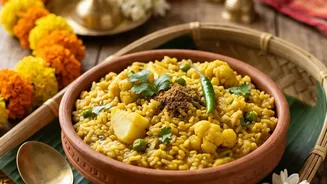
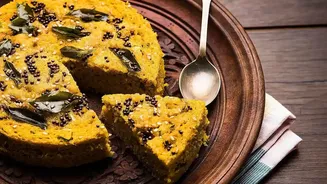
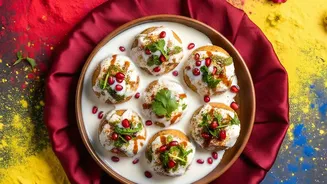
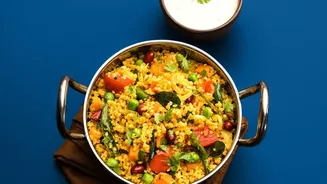
Incorporating these nutritious grains into your diet is easier than you might think. You don't have to give up your favourite dishes, but rather adapt them. Start by swapping white rice with millets for a pulao or khichdi. Ragi flour can be used to make delicious and soft rotis, dosas, or even porridge. Jowar rotis (bhakri) are a staple in many parts of the country and are a fantastic gluten-free option. You can even try popped jowar as a healthy snack. The key is to start small, perhaps by introducing one millet-based meal a few times a week, and discover the diverse flavours and textures these ancient grains have to offer.