


The Romance of the Rails in Winter
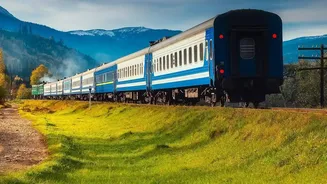
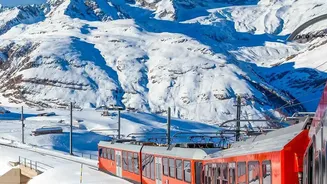
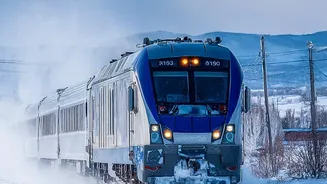
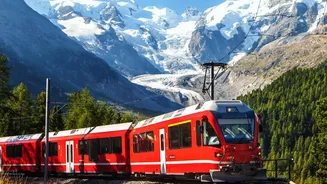
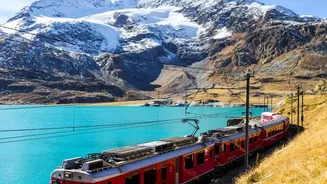
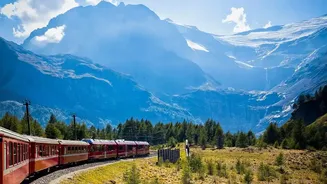
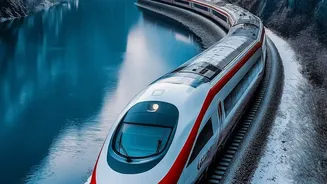
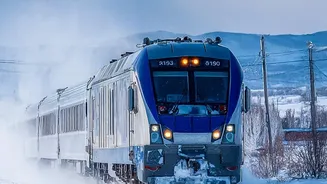
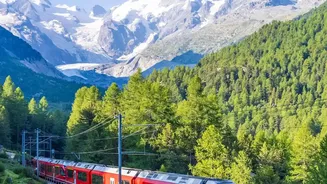
There is a unique charm to train travel in winter, especially on India's famous mountain railways. The slow, rhythmic chug of the engine, the crisp air, and the panoramic views of valleys and peaks turning white is an experience many travellers seek.
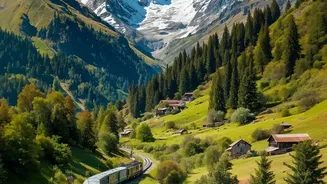
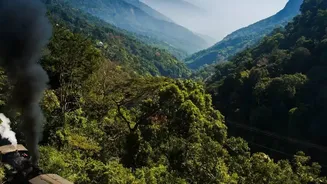
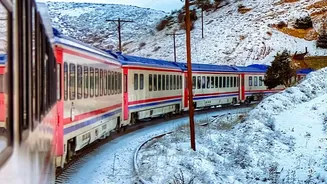
Two UNESCO World Heritage routes, in particular, capture this magic: the Kalka-Shimla Railway and the Darjeeling Himalayan Railway. These 'toy trains' navigate sharp curves and steep gradients, passing through dense forests and quaint hillside villages. In winter, these landscapes are often dusted with snow, transforming the journey into a fairy-tale ride and making it a major attraction for tourists.
Popular Routes to the Snow
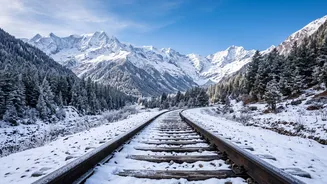
The Kalka-Shimla route in Himachal Pradesh is perhaps the most famous for its winter scenery. The train winds through over 100 tunnels, offering breathtaking views of snow-covered pine forests as it ascends towards the 'Queen of Hills'. Similarly, the Darjeeling Himalayan Railway in West Bengal provides stunning views of the Kanchenjunga range, with the journey from New Jalpaiguri to Darjeeling passing through misty tea gardens. While heavy snow in Darjeeling town itself is rare, the higher altitudes and clear winter skies offer spectacular, crisp views of the snow-capped Himalayas. Another remarkable winter journey is through the Kashmir Valley on the Banihal-Baramulla line, which cuts through a paradise of snow-covered meadows and frozen landscapes, connecting towns like Srinagar and Sopore. This route is a lifeline in winter when heavy snow often blocks highways.
The Last-Mile Problem Explained
The train journey might be scenic and reliable, but the adventure doesn't end at the station. 'Last-mile connectivity' refers to the final leg of your trip: the journey from the railway station to your hotel, resort, or sightseeing spot. In Himalayan regions, this almost always involves a road journey by taxi or local bus. This is where winter weather poses its biggest challenge. Heavy snowfall can lead to widespread road closures, cutting off access to popular destinations. Even after light snowfall, roads can become dangerously slippery and treacherous. Reports from Himachal Pradesh frequently highlight the closure of dozens or even hundreds of roads in districts like Shimla, Lahaul and Spiti, and Kullu after a spell of snow, sometimes leaving tourists stranded. This can disrupt travel plans for hours or even days.
How to Plan for Unpredictable Roads
The key to a successful winter trip is to plan for the unpredictable. Local authorities often issue travel advisories when heavy snow is forecast, urging tourists to avoid high-altitude areas. Always check the latest weather forecasts and local news for road status updates before and during your trip. It is wise to book hotels with some flexibility and have a backup plan. Keep in touch with your hotel or a local taxi operator, as they will have the most current information on ground conditions. When travelling from the station, be prepared for delays. Sometimes, only 4x4 vehicles with snow chains are permitted on certain routes during heavy snow. Pack layers of warm clothing, waterproof shoes with good grip, and a flask for hot drinks. Having extra buffer days in your itinerary can also reduce stress if you face a delay.
Is the Winter Train Trip Worth It?
Despite the potential for disruption, a winter train journey to the mountains remains an unforgettable experience. The sight of fresh snow covering the landscape is a powerful draw, and the cosy, slow-paced train ride is a destination in itself. The challenges of last-mile travel are a reminder of the raw power and beauty of the Himalayas in winter. For those who plan smartly, remain flexible, and prioritise safety, the reward is immense. The quiet, crisp atmosphere of a hill station in winter, free from summer crowds, combined with the stunning snow-dusted vistas, makes the journey well worth the effort. The key is to see the entire journey, from your starting point to your hotel doorstep, as part of the adventure.