



Craft the Perfect Potting Mix
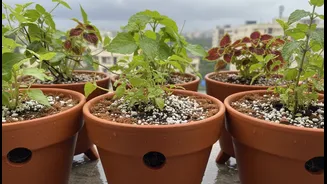
The foundation of a flood-proof garden begins with what’s inside the pot. Standard garden soil is often too dense, compacting like mud during heavy rains and suffocating roots. A well-draining potting mix is your first line of defence. Create a lighter,
more aerated medium by combining components like cocopeat, compost, and coarse sand or perlite. A popular recipe for Indian conditions is a blend of 40% cocopeat, 30% compost, and 30% sand or perlite. This mixture provides essential nutrients while ensuring that excess water can flow through freely, preventing the soil from becoming a soggy mess. This simple swap helps roots breathe and drastically reduces the risk of rot.
Elevate Your Pots and Planters
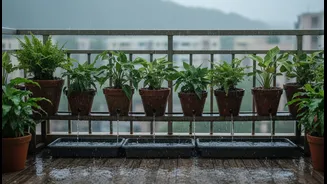
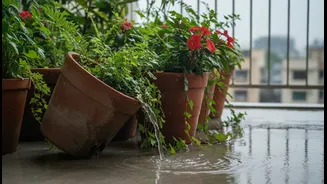
One of the simplest yet most effective tricks is to physically lift your pots off the ground. When containers sit flat on a terrace or balcony floor, their drainage holes can easily become blocked by mud or simply fail to drain effectively due to surface tension. This creates a pool of stagnant water at the base, keeping the soil perpetually saturated. By placing your pots on feet, bricks, broken tiles, or dedicated plant stands, you create an air gap underneath. This small elevation allows gravity to do its job, ensuring that excess water can escape without obstruction. It’s a low-effort move that provides a massive boost to drainage and aeration.
Ensure Your Containers Are Fit for Purpose
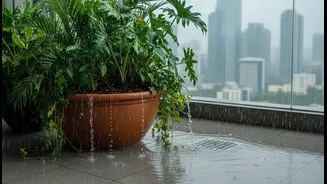
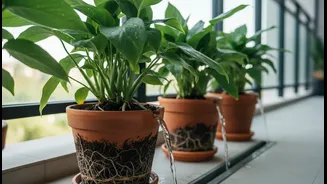
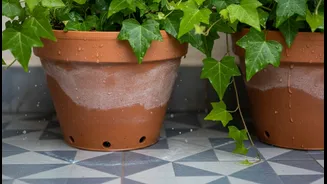
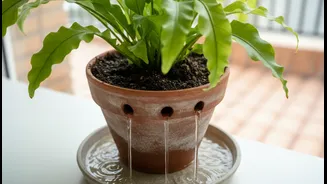
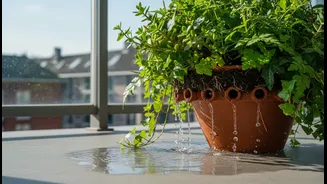
Not all pots are created equal, especially when facing a monsoon. The most critical feature of any container is adequate drainage holes. If the pot you love has no holes, you must either drill some yourself or choose another. During the monsoon, more is better. Porous materials like terracotta are also beneficial as they allow moisture to evaporate through the walls of the pot, helping the soil dry out faster. For larger planters, some gardeners use lightweight fillers like empty, capped plastic bottles at the bottom to reduce the volume of soil that can become waterlogged, making the pot lighter and improving drainage.
Manage Watering Wisely
It may sound obvious, but it’s crucial to adjust your watering schedule during the rainy season. Many well-intentioned gardeners continue their daily watering routine out of habit, not accounting for the heavy rainfall. This is a fast track to overwatering. Before you water, always check the soil. Push your finger two to three inches deep; if it feels damp, hold off. During periods of consistent rain, you may not need to water manually at all. Letting the natural rainfall take over prevents you from accidentally compounding the waterlogging problem.
Use Mulch Strategically
Mulching is a fantastic practice for many reasons, but its application during the monsoon requires a bit of strategy. A thick layer of organic mulch like straw, dry leaves, or wood chips can prevent the force of heavy rain from eroding your topsoil. It also shields the soil from splash-back, which can spread fungal diseases. However, be careful not to apply it too thickly or right up against the plant stem, as this can trap too much moisture and encourage rot. If you notice your mulch is becoming soggy and compacted, it’s best to replace it with a fresh, dry layer once the rain subsides.
Create Channels for Runoff
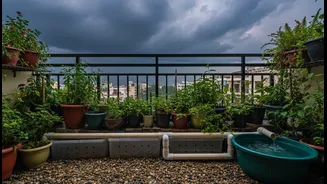
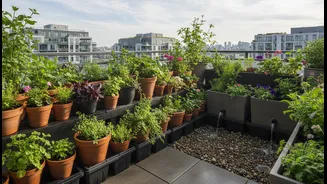
For larger terrace gardens with many pots or raised beds, managing the flow of water across the entire surface is key. Even with elevated pots, if your terrace floor doesn't drain well, your plants will end up sitting in a puddle. Ensure your terrace has a slight slope towards the main drain. If you notice water pooling in certain areas, you can create temporary, shallow channels to guide the water away from your plant groupings and toward the drainage outlet. This prevents the creation of mini-floods on your rooftop that can undermine all the good work you’ve done at the pot level.