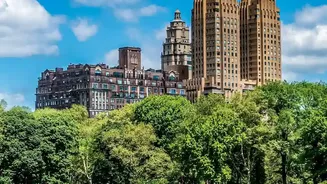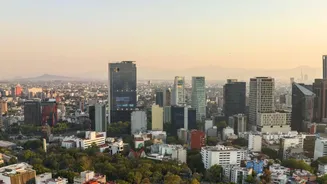






In the concrete sprawl of a bustling metropolis, public parks are more than just green afterthoughts. They are the city's lungs and its social heart, offering a vital escape into nature and a space for communities to come together and thrive.
An Essential Link to the Natural World
For many
city dwellers, a neighbourhood park is the most consistent and accessible form of interaction with nature. This connection is fundamental to well-being. Research consistently shows that even brief exposure to green spaces can significantly reduce stress, anxiety, and mental fatigue. The theory of 'biophilia' suggests humans have an innate need to connect with nature, and urban parks fulfill this desire in a powerful way. Strolling under a canopy of trees, observing birdlife, or simply sitting on a patch of grass provides a sensory-perceptual break from the urban grind. This exposure is linked to healthier cortisol profiles and overall better mental health. In India, where rapid urbanisation often outpaces green development, parks like Cubbon Park in Bengaluru or Lodhi Garden in Delhi serve as critical ecological assets, mitigating the urban heat island effect and improving air quality. Spending just 20 minutes in a park can boost happiness and life satisfaction, whether you are exercising or simply being still.
The Original Social Network
Long before social media, parks were the original platforms for community connection. They are inherently social spaces where chance encounters and regular meetings build the fabric of a neighbourhood. These green areas serve as neutral ground where people from diverse backgrounds can interact, fostering a sense of place and belonging. Studies have found that frequent visits to green spaces are linked to greater satisfaction with personal relationships and a stronger connection to the community. Simple activities like morning walks, children playing in a designated area, or groups of seniors chatting on benches create subtle but strong social ties. This informal socialising helps build trust and familiarity among residents, transforming a collection of households into a cohesive community. Research shows that well-used parks can even correlate with a reduction in local crime, as they become hubs for positive community engagement.
Hubs for Organised Community Action
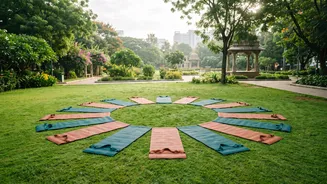
Beyond spontaneous interactions, parks are crucial venues for organised groups that strengthen community bonds. Across Indian cities, parks have become vibrant centres for a wide range of activities. In cities like Gurugram and Hyderabad, running clubs use parks like KBR National Park as meeting points for weekend jogs and training sessions. These gatherings are not just about fitness; they are social events that foster camaraderie and mutual support. Similarly, parks frequently host yoga and laughter clubs, resident welfare association (RWA) meetings, and cultural festivals. Citizen-led initiatives are also taking root. In Bengaluru, the '#IamBengaluru – Volunteer for Parks' movement connects residents, NGOs, and local authorities to collectively care for neighbourhood parks through activities like cleanliness drives and beautification projects. These organised efforts give residents a shared purpose and a tangible way to invest in their local environment.
Fostering a Culture of Stewardship
Regular engagement with the nature in a local park can cultivate a deeper appreciation for the environment and inspire a sense of ownership. When residents feel connected to a green space, they are more likely to participate in its protection and enhancement. This grassroots stewardship is vital for the long term health of urban ecosystems. Nature clubs, often centered around parks, play a significant role in this process. Organisations like the Madras Naturalists' Society in Chennai and Nature Mates in Kolkata use parks for nature walks, biodiversity surveys, and educational programmes that connect the community with local flora and fauna. This active participation not only helps preserve urban biodiversity but also empowers residents, giving them a voice in how their public spaces are managed. By transforming residents from passive users into active caretakers, parks become living laboratories for community led conservation.