



Embrace Whole Grains
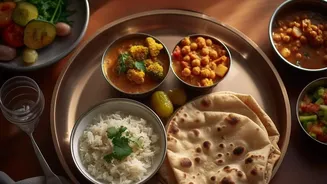
Refined flour (maida) and white rice are staples in many homes, but their whole-grain counterparts pack a much healthier, fibre-rich punch. Whole wheat atta, used for making rotis, is a great start. A single whole wheat roti contains about 2 grams of
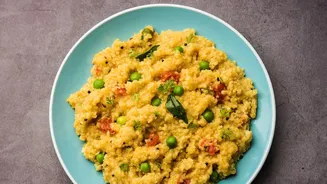
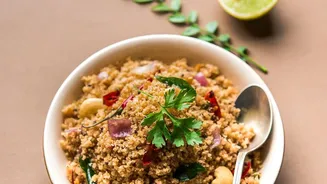
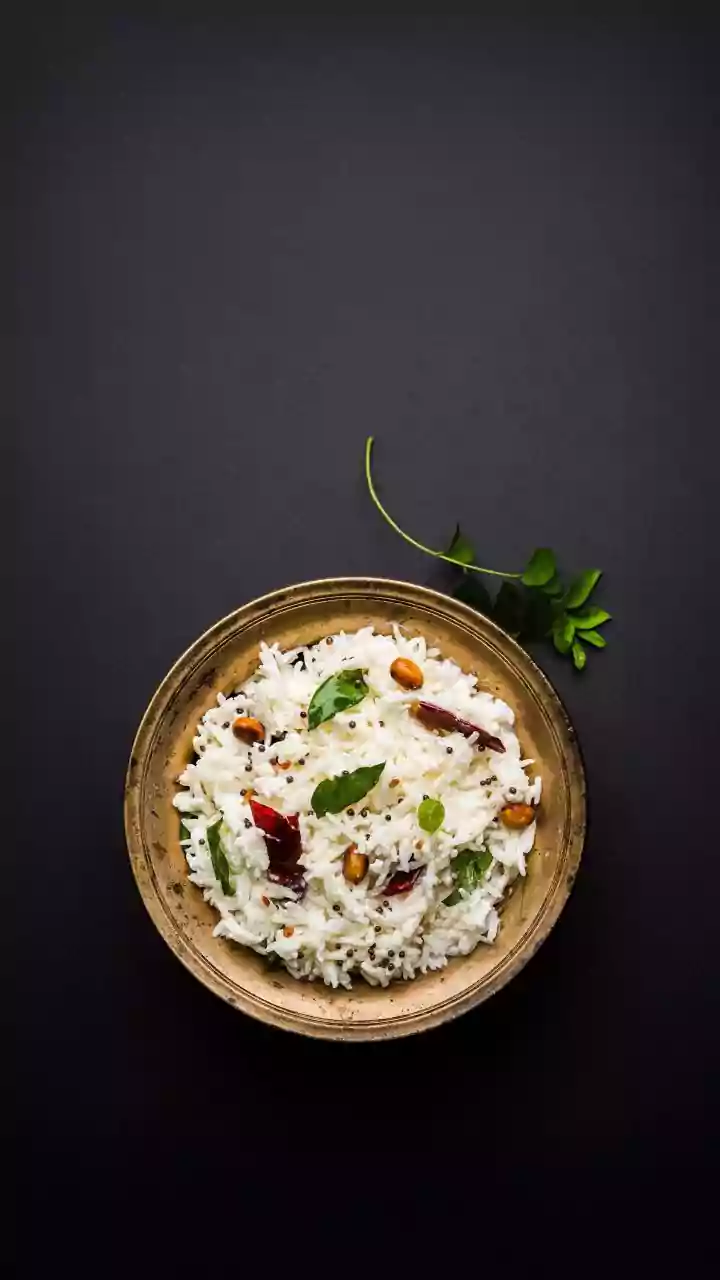
dietary fibre. To elevate this, consider switching to or mixing in millets like jowar (sorghum), bajra (pearl millet), and ragi (finger millet). These ancient grains are naturally high in fibre and can be used to make bhakris, dosas, or even upma. Simply swapping white rice for brown rice a few times a week can also significantly increase your fibre intake without drastically changing your meals.
Lean on Lentils and Legumes
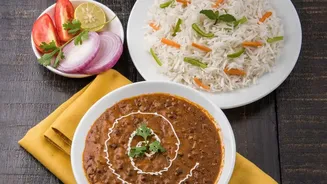
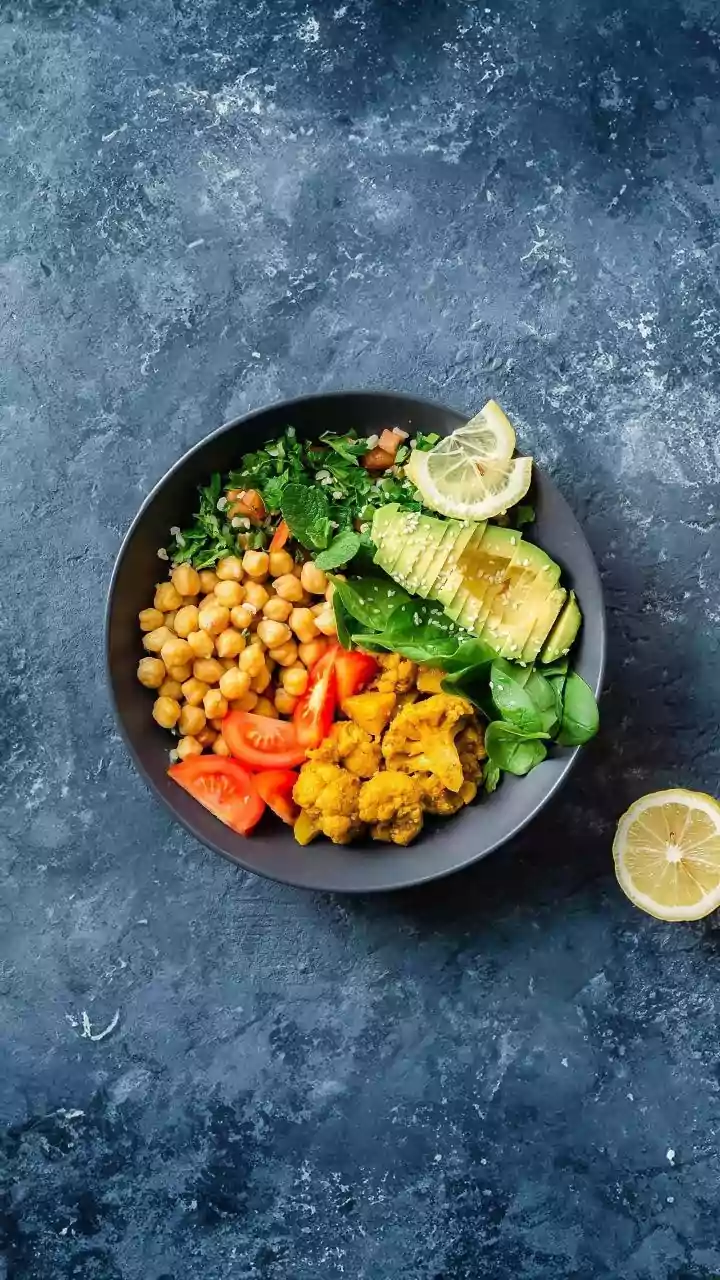
Dal is the heart of many Indian meals, and for good reason. Lentils and legumes like chana (chickpeas), rajma (kidney beans), and moong are fibre powerhouses. A single cup of cooked rajma can provide nearly half of your minimum daily fibre target. These ingredients are incredibly versatile. Beyond the classic dal tadka, you can add them to soups, salads, and curries. Think of a comforting rajma masala, a nutritious chana salad, or a simple moong dal khichdi packed with vegetables. They provide a fantastic combination of protein and fibre that promotes satiety, keeping you fuller for longer.
Fill Your Plate with Vegetables
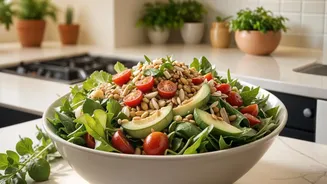
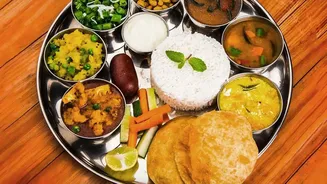
Indian cuisine celebrates vegetables in all their glory. Making them a larger part of your meal is an easy win for fibre. Aim to fill half of your plate with sabzi. Vegetables like bhindi (okra), leafy greens such as spinach (palak), carrots, and various gourds are excellent sources of both soluble and insoluble fibre. Don't be afraid to add extra vegetables to your existing dishes. Grated carrots or finely chopped beans can be mixed into poha, upma, or even your dosa batter for a hidden fibre boost. A simple kachumber salad alongside your meal also adds a fresh, fibrous crunch.
Choose Fruits as Whole Snacks
While fruit juices are convenient, they strip away one of the most beneficial parts of the fruit: the fibre. Whenever possible, opt for whole fruits with the skin on. Guava is one of India's highest-fibre fruits, and others like apples, pears, and papayas are also fantastic choices. A whole fruit makes for a perfect mid-day snack that provides natural sweetness and energy alongside a healthy dose of fibre. You can also add chopped bananas or pomegranate seeds to your morning bowl of porridge or dahi.
Sprinkle Seeds for an Extra Boost
Seeds are a tiny but mighty source of fibre, healthy fats, and other nutrients. Flax seeds (alsi), chia seeds, and sesame seeds (til) are all easily found in Indian markets. Ground flaxseed can be added to your roti atta, sprinkled over yogurt, or blended into a smoothie. A handful of nuts and seeds not only adds a delightful crunch to your dishes but also significantly raises their nutritional value. Just a tablespoon or two a day can make a noticeable difference in your fibre consumption.
Don't Forget Psyllium Husk
Known commonly as Isabgol, psyllium husk is a traditional Indian remedy for digestive health for a reason. It is a form of soluble fibre that acts as a gentle bulk-forming laxative. While it's more of a supplement than a food ingredient, it is found in most Indian homes and is an effective way to boost fibre intake if you're falling short. It's important to start with a small amount and drink plenty of water throughout the day, as fibre needs water to work its magic effectively.