





Embrace Bodyweight Basics
You don't need fancy equipment to get a fantastic workout. Your own body is a powerful tool for building strength and endurance. Bodyweight exercises are convenient, free, and can be done anywhere. They are also great for improving functional fitness,
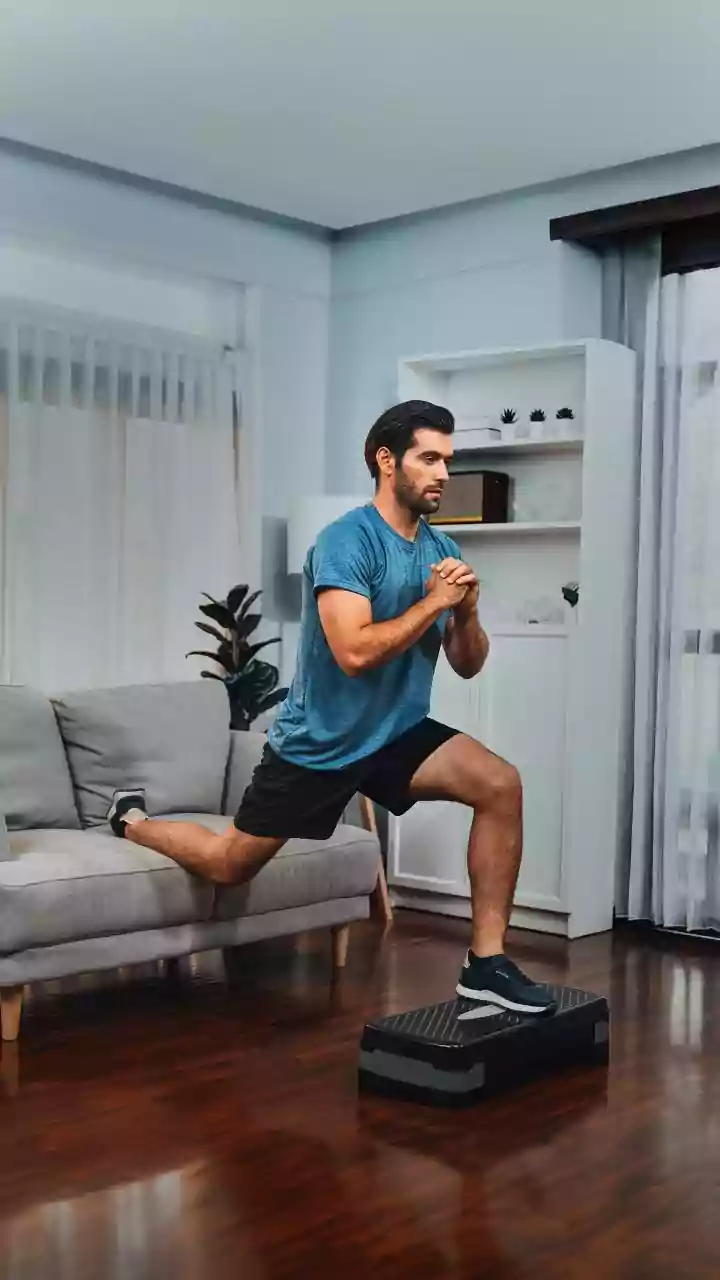
which means they train your body for real-life movements and can help prevent injuries. Start with a simple circuit of classic moves like push-ups, squats, lunges, and planks. For push-ups, you can modify them by doing them on your knees or against a wall to match your strength level. A good plank strengthens your entire core; try holding it for 30 seconds and gradually increasing the time as you get stronger. Combining these exercises into a circuit that you repeat a few times can provide a full-body workout in under 30 minutes.
Go Digital with Fitness Apps
The digital world is packed with fitness resources, many of them free. Apps like Nike Training Club, Cult.fit, and HealthifyMe offer vast libraries of guided workouts for every fitness level and interest, from high-intensity interval training (HIIT) to yoga and strength training. Many apps offer equipment-free routines designed specifically for home use. You can find everything from a quick 10-minute core blast to a full-hour yoga flow. YouTube is another excellent source for free workout videos, with channels dedicated to every imaginable type of exercise. These resources bring a personal trainer right into your home, providing structure and motivation when you need it most.
Get Your Heart Pumping with HIIT
If you're short on time but want maximum impact, a High-Intensity Interval Training (HIIT) workout is your answer. HIIT involves short bursts of intense exercise followed by brief recovery periods. This method is incredibly effective at boosting your metabolism and cardiovascular health. You can create a simple HIIT routine using bodyweight exercises like jumping jacks, high knees, burpees, and mountain climbers. A typical format might be 45 seconds of intense effort followed by 15 seconds of rest. A 15-to-20-minute session is often enough to feel the burn and reap significant fitness benefits, making it a perfect solution for a dreary day stuck indoors.
Use What You Have
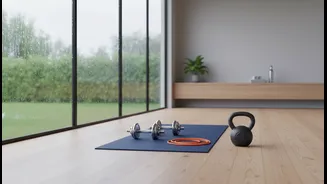
Your home is full of potential workout equipment. A sturdy chair can be used for tricep dips and Bulgarian split squats. If you have stairs, walking or running up and down them is a fantastic cardio workout that also tones your legs. Even water bottles or a backpack filled with books can serve as makeshift weights for adding resistance to squats, lunges, and overhead presses. Getting creative with household items not only saves money but also adds a fun, resourceful element to your indoor fitness routine. A simple dance party in the living room can also be a surprisingly effective and mood-boosting cardio session.
Focus on Flexibility and Mindful Movement
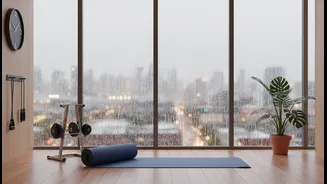
A rainy day is the perfect opportunity to slow down and focus on flexibility and the mind-body connection. Practices like yoga and Pilates are excellent for building core strength, improving posture, and increasing flexibility. Many apps and online videos offer guided sessions for all levels. Stretching is crucial for preventing injury and can help relieve muscle tightness, especially if you spend a lot of time sitting. Taking 20-30 minutes for a dedicated stretching or yoga session can be both physically restorative and mentally calming, helping to combat the gloominess that can sometimes accompany bad weather.
If You Must Brave the Elements
Sometimes, you just need to get outside. If you decide to exercise in the rain, safety and proper gear are essential. Wear bright, reflective clothing to ensure you are visible to cars and others, as rain and clouds can significantly reduce visibility. A lightweight, water-resistant jacket will keep you relatively dry without causing you to overheat. A hat with a brim is also a great idea to keep rain out of your eyes. Pay attention to your footwear; choose shoes with good traction to avoid slipping on wet surfaces. Always warm up indoors before you head out to get your muscles ready and reduce the risk of strain. And most importantly, listen to your body; if conditions become too extreme, it's always smarter to head back inside.