


The Stars of the Festive Season
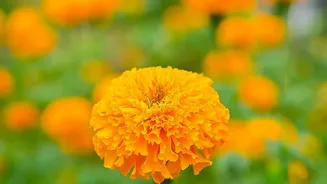
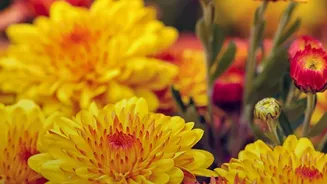
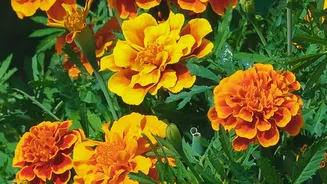
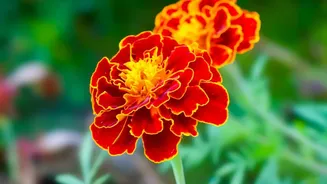
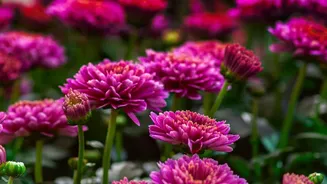
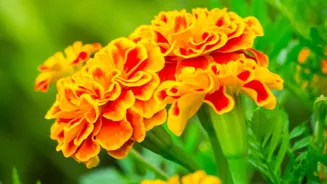
Walk through any flower market from Dussehra to Diwali, and you'll be greeted by vibrant mounds of marigolds (Genda) and elegant bunches of chrysanthemums (Guldaudi). These aren't just any flowers; they are the visual and spiritual cornerstones of India's
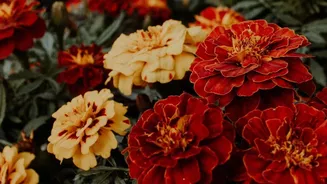
festive season. Marigolds, with their fiery orange and yellow hues, are woven into thick garlands that adorn temple deities and the doorways of homes, acting as auspicious beacons of welcome and positivity. Chrysanthemums, available in a dazzling array of colours and forms, add a touch of refined beauty and longevity to home decorations, symbolizing joy and optimism. Their presence is so deeply ingrained in the festivities that celebrating without them feels incomplete.
Perfect Timing: The October Advantage
There's a practical wisdom behind planting these specific flowers in October. The timing is a perfect blend of climate and culture. After the heavy monsoon, the soil is moist and ready for new life, while the harsh summer sun has mellowed. The combination of warm soil and cooler, pleasant days creates the ideal environment for marigold and chrysanthemum seeds or saplings to establish strong roots. This horticultural sweet spot ensures that the plants grow vigorously, producing a profusion of blooms just in time for the peak festive celebrations in late October and November. Planting any earlier risks damage from heavy rains, while planting later might mean missing the festive window entirely.
Marigold: A Symbol of Sun and Surrender
The marigold's significance runs deep in Indian culture. Its saffron and golden colours are considered highly auspicious, representing the sun's energy, surrender, and unwavering faith. Often called the 'herb of the sun', marigolds are offered to deities like Lord Ganesha and Goddess Lakshmi to invite blessings and remove obstacles. This tradition is rooted in the flower's hardy nature; its ability to stay fresh for days in garlands symbolizes durability and devotion. Beyond its religious use, the marigold is also a workhorse in the garden. For generations, farmers and home gardeners have planted it as a companion plant to repel pests like nematodes, naturally protecting vegetable patches.
Chrysanthemum: The Queen of Autumn
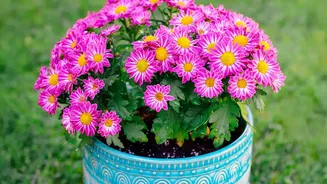
While marigolds are central to rituals, chrysanthemums are the queens of festive decor. Symbolizing joy, longevity, and optimism across many Asian cultures, they bring an element of elegance to any setting. In India, they are frequently used in floral arrangements, rangoli designs, and to decorate temple altars. Chrysanthemums bloom as many other flowers begin to fade, linking them to endurance and rebirth. Their wide variety of colours—from pure whites and sunny yellows to deep purples and reds—allows for creative and sophisticated displays. Their long vase life makes them a practical choice for decorations that need to last through several days of celebration.
From Seed to Splendor: A Simple Guide
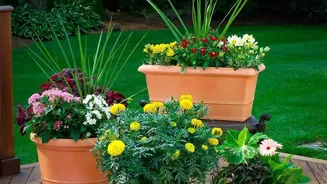
You don't need to be an expert to grow your own festive flowers. Both marigolds and chrysanthemums are famously easy to cultivate. For best results, choose a spot that receives at least six hours of direct sunlight. The soil should be well-drained; if you're planting in pots, ensure there are adequate drainage holes. You can start from seeds sown directly into the soil or use young saplings from a local nursery for a head start. Water the plants regularly, but allow the top inch of soil to dry out between waterings to prevent root rot. To encourage bushier growth and more flowers on chrysanthemums, you can pinch back the stems when the plant is young. For marigolds, removing dried flowers will encourage a fresh flush of blooms.
Crafting Your Festive Display
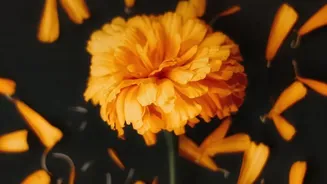
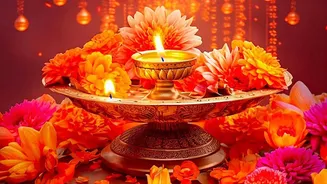
Once your garden is bursting with colour, the real fun begins. Harvest your homegrown flowers to create traditional decorations with a personal touch. String marigolds together to make vibrant 'torans' or garlands to hang across your main door. Float chrysanthemum petals and marigold heads in a brass 'urli' (a decorative bowl) filled with water for an elegant and serene centerpiece. Use the colourful petals to add natural beauty to your rangoli designs, creating intricate patterns on the floor. These simple acts of decoration connect the home to the garden and the gardener to the very heart of the festive spirit.