






Discovering the Magic of Ziro
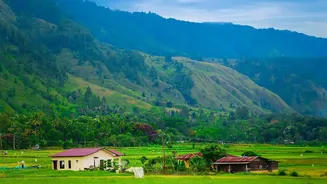
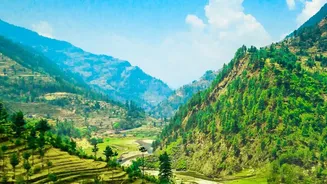
Nestled in the lower Subansiri district, Ziro Valley is more than just a beautiful destination; it is a living cultural landscape. Famous for its rolling hills carpeted in pine and bamboo, and vast, shimmering paddy fields, the valley is home to the Apatani
tribe. This community is renowned for its unique and highly sustainable agricultural practices, particularly a sophisticated system of wet rice cultivation combined with fish farming, which has been practiced for centuries without modern machinery. This harmonious existence between humanity and nature has earned the valley a place on the tentative list for UNESCO World Heritage Site status, drawing visitors who crave authenticity over commercial tourism. The serene environment, combined with the chance to experience a unique, eco-conscious culture, makes Ziro a powerful magnet for young, mindful travellers.
The Key to Entry: The Inner Line Permit
Before you can immerse yourself in Ziro's beauty, you need an Inner Line Permit (ILP). This mandatory travel document is required for all Indian citizens who are not residents of Arunachal Pradesh to enter the state. The ILP system dates back to the British era and is maintained today to regulate movement into protected areas, thereby preserving the unique culture and fragile environment of indigenous communities. It is not a mere formality; you will be required to present your ILP at border check gates, and attempting to enter without one will result in being turned away. Foreign nationals require a different document, the Protected Area Permit (PAP). For Indian travellers, securing an ILP is the first and most crucial step in planning your journey.
How to Get Your Inner Line Permit
Thankfully, applying for a tourist ILP is a straightforward online process. The easiest method is to visit the official Arunachal Pradesh e-ILP portal. You will need digital copies of a passport-sized photograph and a valid government-issued ID like an Aadhaar or Voter ID card. During the application, you'll fill in your personal details and your travel itinerary, including the specific districts you plan to visit (like Lower Subansiri for Ziro) and your intended entry gate, which is typically Kimin or North Lakhimpur for access to Ziro. The fee for a tourist ILP varies based on the duration of your stay. Once approved, you will receive the permit as a downloadable PDF. It is essential to carry multiple printed copies and a digital version on your phone, as you'll need to show it at various checkpoints during your trip.
What 'Eco Stay' Means in Ziro
In Ziro, an "eco stay" is less about luxury branding and more about authentic, sustainable living. The most popular form of accommodation is the homestay, often run by local Apatani families. These stays offer a direct and meaningful way to support the local community. Expect to find homes built with traditional and locally sourced materials like bamboo and wood, blending seamlessly with the natural surroundings. Eco-friendly practices are a way of life here, not a trend. This includes serving meals made from organic, farm-fresh produce grown in the family's own garden, practicing waste minimization, and sometimes utilizing solar power or rainwater harvesting. Choosing an eco-homestay is about experiencing the genuine hospitality and profound connection to the land that defines the Apatani way of life.
Finding Your Home in the Valley
Finding and booking these authentic stays has become easier for the connected traveller. While some homestays like Abasa Homestay and Lempia Ude are well-known and can be found on travel portals, many others are best discovered through local tour operators or word-of-mouth. Platforms like Airbnb also list several traditional cabins and rooms within family homes. It is highly advisable to book your accommodation well in advance, especially if you plan to visit during the peak season or the famous Ziro Festival of Music in September, when the entire valley becomes a hub for music lovers from across the globe. Booking a homestay not only provides a place to sleep but also an opportunity for cultural immersion, from sharing meals by a traditional fireplace to learning about local customs from your hosts.
Travel with Respect and Responsibility
Visiting a culturally and ecologically sensitive area like Ziro comes with the responsibility to be a mindful traveller. The key is to leave a positive impact, or better yet, no trace at all. Always respect local customs and traditions; for example, seek permission before photographing people or their homes. Support the local economy by purchasing handicrafts directly from artisans and dining at local eateries. Minimize your environmental footprint by avoiding single-use plastics and carrying a reusable water bottle. Given the limited ATM access in remote areas, it is wise to carry sufficient cash. Engaging with the Apatani community with genuine curiosity and respect will transform your trip from a simple vacation into a deeply enriching cultural exchange.