



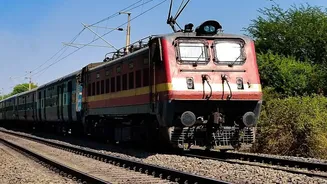
A New Dawn for Heritage Rail
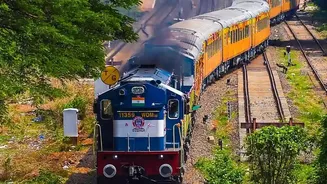
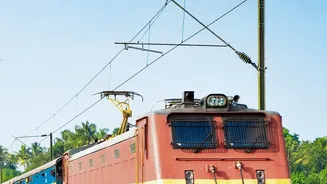
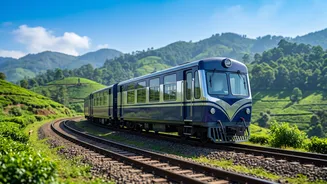
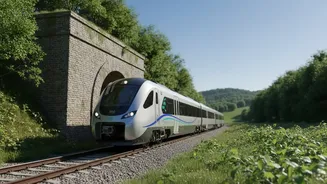
In a significant move that fuses advanced technology with historical preservation, Indian Railways has commenced trials for its first hydrogen-powered trains. This initiative, dubbed 'Hydrogen for Heritage,' aims to transform the iconic, narrow-gauge
railways in mountainous regions into zero-emission corridors. These tests mark the beginning of a new era for routes like the Kalka-Shimla and Darjeeling Himalayan Railway, which have long relied on diesel engines. By introducing clean energy technology in these ecologically sensitive and beloved tourist areas, the Railways is making a powerful statement about its commitment to sustainability without sacrificing the charm and legacy of these historic lines.
How Do Hydrogen Trains Work?
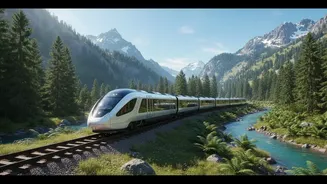
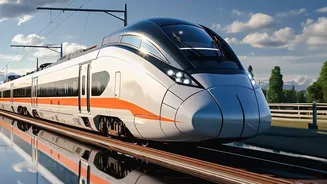
So, what exactly is a hydrogen train? Think of it as an electric train that carries its own power plant. Instead of drawing electricity from overhead wires, it uses hydrogen fuel cells. Inside these cells, hydrogen stored in onboard tanks reacts with oxygen from the air. This electrochemical process generates electricity to power the motors, with the only byproducts being heat and pure water vapour. This means no smoke, no soot, and zero carbon emissions from the tailpipe, offering a stark contrast to the noisy and polluting diesel locomotives they are designed to replace. Some trains also feature batteries to store excess energy, which can be used for acceleration or climbing hills, making them highly efficient.
The 'Hydrogen for Heritage' Vision
The decision to pilot this technology on heritage routes is a strategic one. These lines are not only major tourist attractions but also operate in fragile ecosystems where the impact of diesel emissions is a growing concern. The 'Hydrogen for Heritage' project plans to run 35 hydrogen trains across several historic routes. By successfully retrofitting existing Diesel Electric Multiple Unit (DEMU) trains with hydrogen fuel cells, Indian Railways showcases a path to modernise its fleet in a cost-effective manner. This initiative is a key component of Indian Railways' ambitious goal to become a 'Net Zero Carbon Emitter' by 2030, a target that involves electrifying mainline routes and using alternative fuels for sections where electrification is difficult or impractical.
A Stepping Stone to a Greener Network
While the focus is currently on heritage lines, the success of these trials has massive implications for the entire Indian rail network. While India has made incredible strides in electrifying its broad-gauge network, hydrogen offers a clean energy solution for the remaining non-electrified routes. The technology provides an alternative to diesel on lines where setting up overhead electric infrastructure is either too expensive or geographically challenging. The initial pilot projects, such as the one on the Jind-Sonipat section, are providing invaluable data on performance, safety, and operational efficiency under Indian conditions, paving the way for a broader rollout.
Challenges on the Track Ahead
Despite the immense promise, the journey to a hydrogen-powered railway is not without its obstacles. The primary challenge is cost. Green hydrogen, which is produced using renewable energy, is currently more expensive than diesel or electricity. Building the necessary infrastructure for hydrogen production, storage, and refuelling across the vast rail network is a capital-intensive undertaking. Furthermore, ensuring the safe handling and storage of highly flammable hydrogen requires stringent safety protocols and specialised training. The initial running costs are expected to be high, but they are projected to decrease as the technology matures and more trains are brought into service.