







The Invisible Kitchen Boom
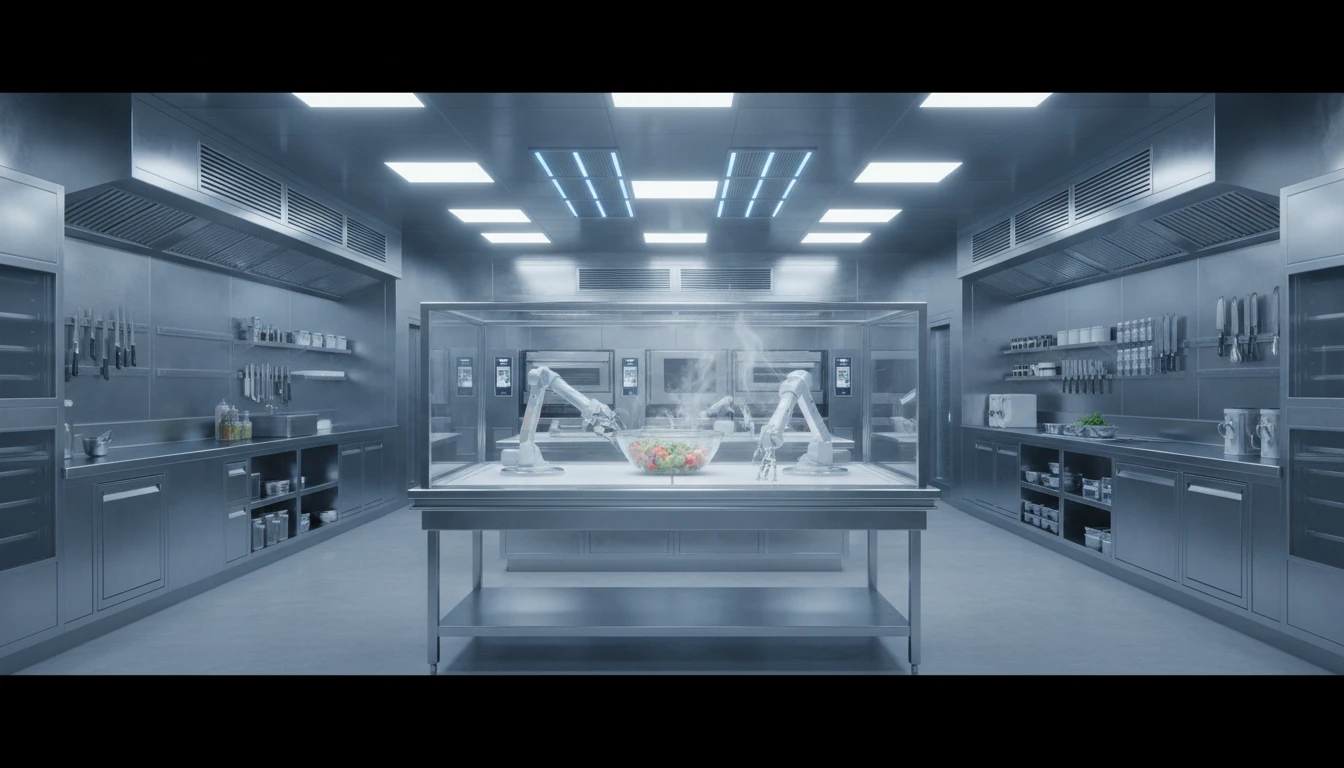
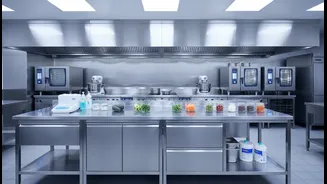
India's food delivery landscape has been transformed by cloud kitchens, also known as ghost or dark kitchens. These are professional cooking facilities designed exclusively for delivery, with no storefront or seating for customers. This model allows brands
to launch with lower investment, avoiding the high costs of prime real estate and front-of-house staff. The market is expanding rapidly, with projections showing it will reach nearly USD 3.7 billion by 2034. This growth, accelerated by the pandemic, has created a fiercely competitive environment where dozens of virtual brands might operate from a single, unseen location. While efficient, this model creates a fundamental business challenge: how do you build trust with customers who can never peek inside your restaurant?
The Consumer Trust Deficit
For many customers, the inability to see the kitchen is a significant concern. Questions about the environment where food is prepared, handled, and packaged are natural. In the post-pandemic era, consumers are more conscious of health and hygiene than ever before, and this scrutiny extends to their food orders. An FSSAI license is a mandatory starting point, but it's no longer enough to win consumer confidence on its own. When things go wrong, a single complaint about food safety can lead to being delisted from aggregator apps like Swiggy and Zomato, effectively shutting down the business overnight. This creates a 'trust deficit' that successful brands must actively work to overcome.
From Hidden Cost to Marketing Tool
The smartest operators are realizing that demonstrating hygiene isn't just a compliance issue—it's a powerful marketing strategy. In a sea of virtual brands, visible cleanliness can become a key differentiator that justifies a premium price and builds lasting loyalty. Trust is the new currency. While a traditional restaurant uses its ambience and service to build a reputation, a cloud kitchen must use transparency. By actively showing their commitment to safety and quality, these businesses can turn a potential weakness into a significant competitive advantage. It’s about reassuring the customer that even though the kitchen is out of sight, their well-being is top of mind.
How to Make Cleanliness Visible
So, how can a kitchen without a front door prove it's clean? The solutions are increasingly creative and technology-driven. Some brands now offer live-streaming video feeds of their kitchens, allowing customers to watch their meal being prepared in real time. Others use tamper-proof packaging that assures the customer their food hasn't been touched since it was sealed. A strong social media presence is also vital, showcasing daily cleaning routines, staff training sessions, and details about the sourcing of fresh ingredients. Displaying hygiene ratings prominently on aggregator apps is another crucial step, as these scores directly influence customer choice. Even simple measures like including a small checklist on the package detailing the safety steps taken, from handwashing to temperature checks, can have a major impact.
The Future is Transparent
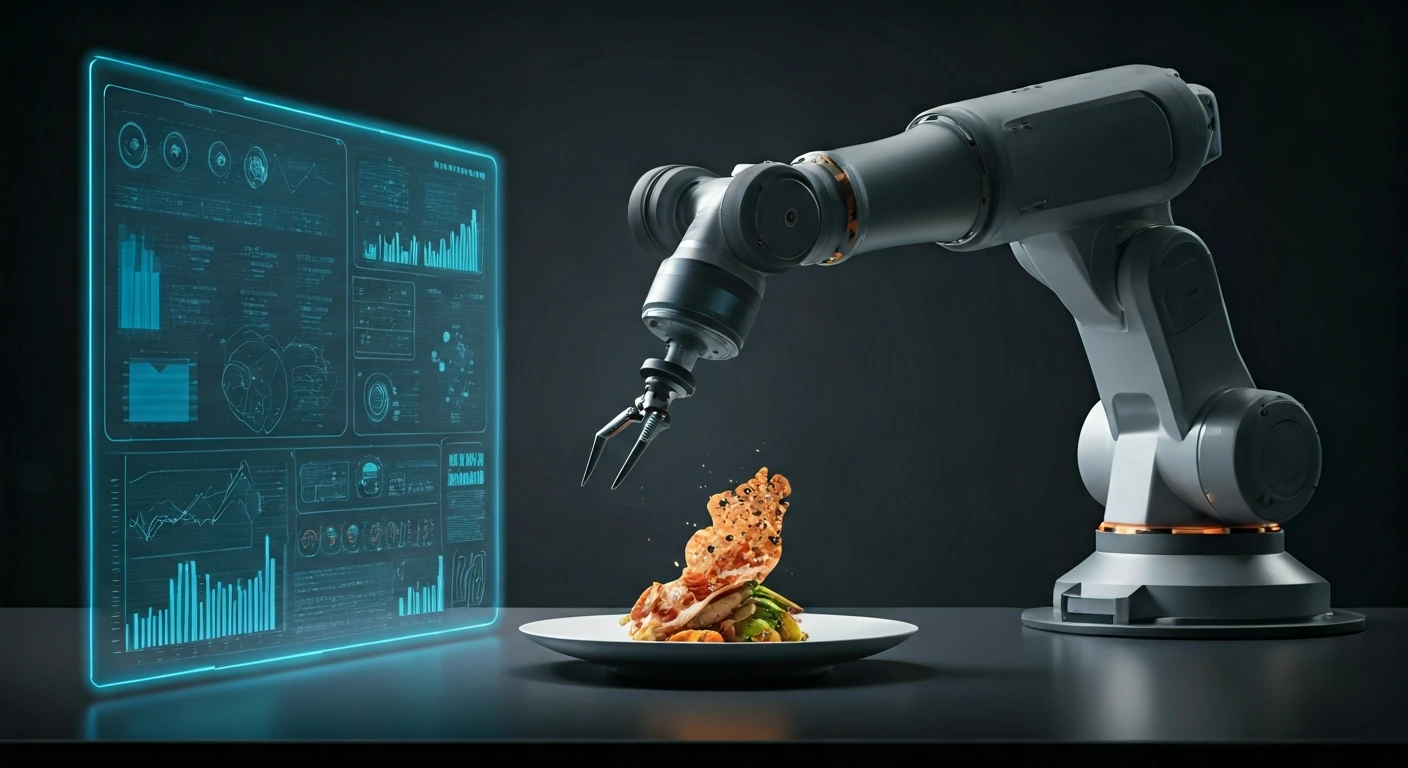
As the cloud kitchen market matures, competition will only intensify. The brands that thrive will be those that understand that their kitchen, even if invisible, is their most important asset. Investing in and showcasing rigorous hygiene protocols is no longer an optional expense; it is central to brand-building and profitability. Technology like AI-powered monitoring systems and digital sanitation logs are making it easier to maintain and document high standards. For delivery-only restaurants, the message is clear: the path to standing out in a crowded digital marketplace is not through discounts, but through earning and keeping customer trust. Proving you're clean is the best way to prove you're a brand worth ordering from again and again.