

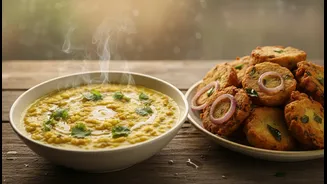


The Undisputed Champion: Dal
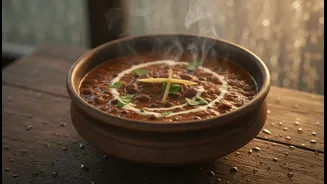
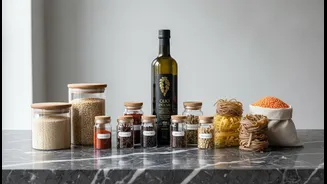
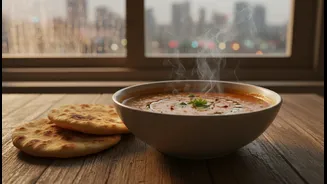
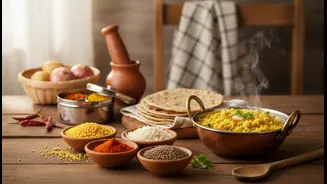
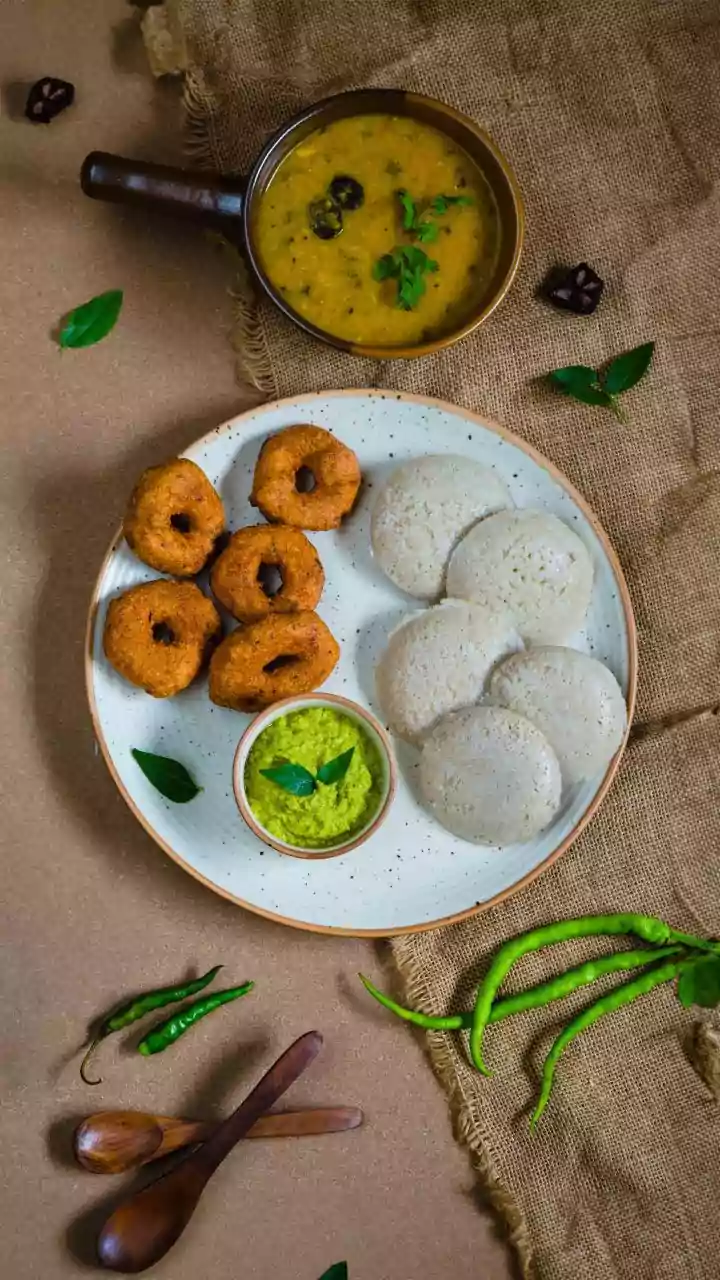
Let’s start with the undisputed hero of the Indian kitchen: dal. In every household, it represents the core of a meal — warm, nutritious, and deeply comforting. Whether it’s a simple dal tadka or a rich dal makhani, lentils are the foundation of budget-friendly
eating. Chickpeas and lentils are celebrated for being filling and are often the most affordable items on any menu, offering maximum satisfaction per rupee. A basic moong dal khichdi can cost as little as ₹30 per serving to make at home. Beyond the basics, think of dal as a canvas. A handful of spinach transforms it into Dal Palak. A different tadka of mustard seeds and curry leaves can transport a simple Toor Dal to a South Indian-style sambar. This versatility is its superpower, allowing you to create countless variations without needing a long list of expensive ingredients.
Khichdi’s Comeback as a One-Pot Wonder
For generations, khichdi has been the ultimate comfort food in India, often associated with recovery and simplicity. But today, it’s making a grand comeback as a versatile and trendy one-pot meal. The basic combination of rice and lentils creates a complete protein, and from there, the possibilities are endless. It’s not just for when you’re feeling unwell; a well-made masala khichdi, packed with seasonal vegetables like carrots and peas, is a wholesome meal in itself. You can add whatever vegetables are in season to boost nutrients without raising the cost. This approach turns a humble dish into a flavourful, satisfying dinner that saves both time and money, proving that comfort can also be incredibly convenient.
The Smart Carb: Beyond Plain Rice
Rice is a staple, but thinking beyond a simple steamed serving can unlock a world of budget-friendly flavour. Dishes like lemon rice, tamarind rice, and the ultimate South Indian comfort food, curd rice, are perfect examples. These preparations use rice as a base and elevate it with a few simple, inexpensive ingredients to create a full-flavoured meal. Curd rice, for example, is not just easy on the wallet but also provides essential probiotics for gut health, making it ideal for hot weather. Similarly, a plate of vegetable poha, made from flattened rice, offers a filling and nutritious breakfast or light dinner for a fraction of the cost of eating out. These dishes remind us that carbohydrates, when prepared thoughtfully, can be the star of a satisfying and economical meal.
Celebrating the Humble Vegetable
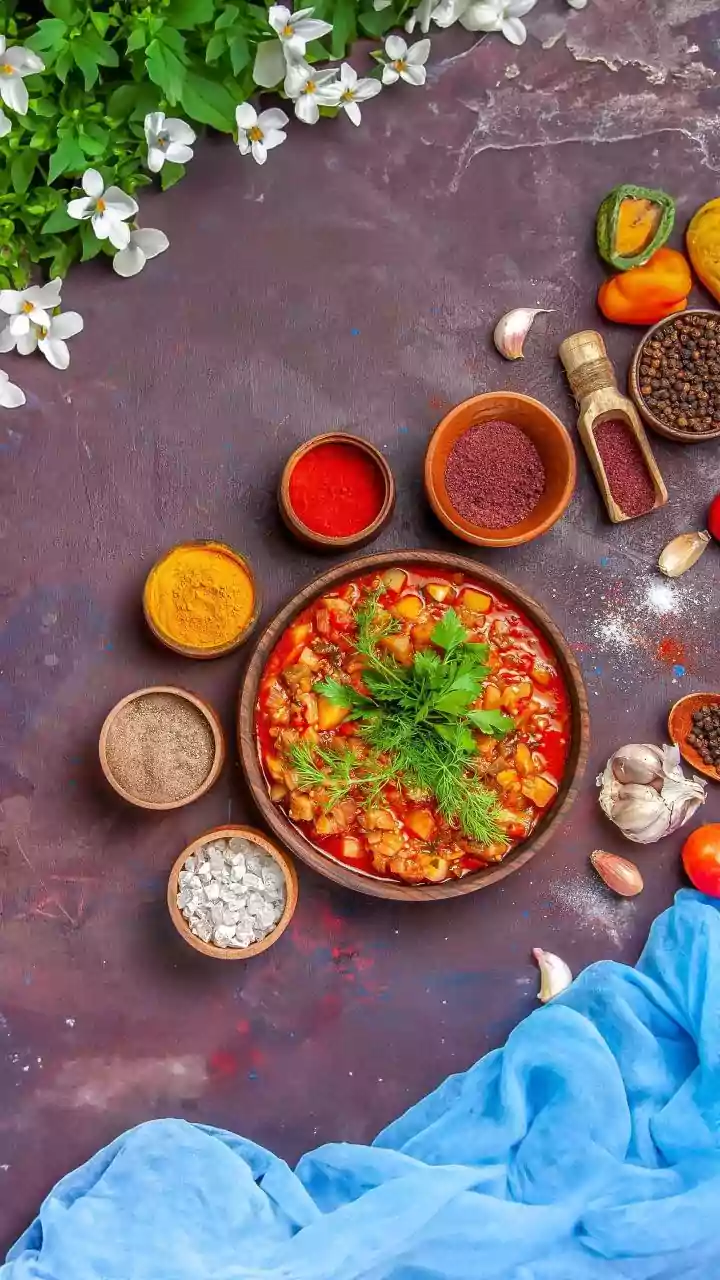
While exotic vegetables can be pricey, seasonal, local produce remains one of the most affordable ways to eat well. Simple preparations like Aloo Gobi, Baingan Bharta, or a Cabbage Thoran celebrate the natural flavour of vegetables without needing elaborate sauces or expensive additions. A meal of Chana Masala with a couple of homemade rotis can be made for under ₹60 and is packed with plant-based protein and fibre. These dishes are proof that you don’t need meat or paneer to create a hearty, comforting meal. Focusing on what’s in season at your local market is the easiest way to keep your grocery bills in check while enjoying fresh and flavourful food.
Rethinking Snacks and Leftovers
The budget-comfort mood extends to snacks as well. Instead of reaching for packaged chips, consider making a quick upma or some crispy puff pastry samosas at home. These options are not only cheaper but also healthier. Furthermore, embracing leftovers is key to a budget-friendly kitchen. Yesterday’s dal can be used to make parathas for breakfast. Leftover rice can be quickly turned into fried rice or lemon rice for a quick lunch. This mindset of using everything and letting nothing go to waste is not just about saving money; it’s a sustainable and deeply ingrained part of Indian home cooking that brings its own unique comfort.