





The Appeal of Comfort, The Reality of Risk
We are drawn to places that feel like a home away from home. These eateries, often smaller and family-run, promise authentic flavours and a personal touch. While many deliver on this promise beautifully, the very things that make them feel 'cosy'—smaller
kitchens, simpler setups, and a more relaxed atmosphere—can sometimes mask hygiene standards that are less than comforting. The responsibility for food safety rests squarely on the establishment, with bodies like the Food Safety and Standards Authority of India (FSSAI) setting out clear guidelines. However, as a diner, a little awareness goes a long way in protecting your health.
Your First Impressions Matter
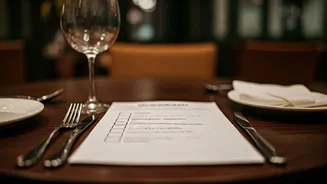
Trust your senses from the moment you walk in. A clean dining area is the restaurant putting its best foot forward. Are the floors, walls, and furniture visibly clean? Pay attention to corners and baseboards where dirt can accumulate. Check the tabletops; a sticky surface or leftover crumbs are early red flags. While a bustling environment is a good sign, chaos is not. A well-managed restaurant maintains order even during peak hours. An often-overlooked clue is the state of the menus and condiment bottles. If the menu feels grimy or the ketchup bottle has a crusty lid, it suggests that daily cleaning routines may be lacking.
The Restroom Rule
Many food safety experts agree: the state of the restroom is often a reliable indicator of the state of the kitchen. A restaurant that maintains a spotless, well-stocked restroom—with soap, clean towels, and an empty bin—demonstrates a commitment to cleanliness in areas that customers can see. This often reflects a similar standard in the kitchen, which they assume you can't see. If the restroom is neglected, it’s reasonable to wonder about the hygiene practices in food preparation areas.
Observing the Staff
The people handling your food are a critical link in the safety chain. Staff should appear neat, with clean uniforms and tied-back hair. According to FSSAI guidelines, personal hygiene is non-negotiable for food handlers. Watch how they work. Do they use gloves or tongs to handle ready-to-eat items? Do they wash their hands after touching money, their hair, or clearing dirty dishes? A sick employee handling food is a major risk for spreading illnesses like the norovirus. A professional establishment will have clear policies about sick leave and ensure all staff are trained in safe food handling.
What's on Your Plate
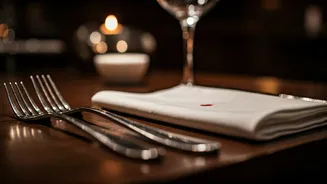
Finally, assess the food itself. Your meal should arrive at the correct temperature—hot food should be genuinely hot, and cold food refreshingly cold. Food that is lukewarm sits in the temperature 'danger zone' where bacteria can multiply rapidly. Be wary of dishes that taste off or have an unusual texture. Also, inspect your cutlery and glassware. A stray food particle or a lipstick smudge on a glass are clear signs of inadequate washing. Don’t hesitate to politely ask for a replacement; a responsible restaurant will apologise and fix it immediately.